
Roku vs Google TV Streaming is a showdown with a simple answer: which platform wins for your viewing habits and device setup. This guide delivers a clear verdict by comparing channels and streaming quality, search and recommendations, app availability, and overall cost. By the end, you’ll know whether Roku or Google TV is the smarter pick for watching more—and paying less.


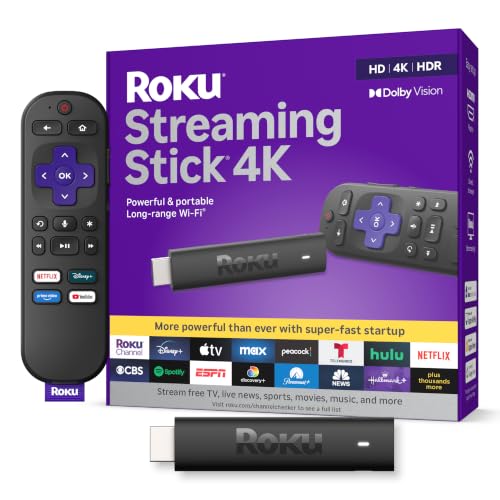

Roku usually wins for most households because it’s faster to set up, simpler to navigate, and consistently easy to use on every supported device—especially for families and guest setups. Google TV can be the better choice if your home runs on Google Search and Assistant, because its cross-app discovery is tighter and more personalized based on what Google knows about you.
Roku vs Google TV Streaming: Core Differences
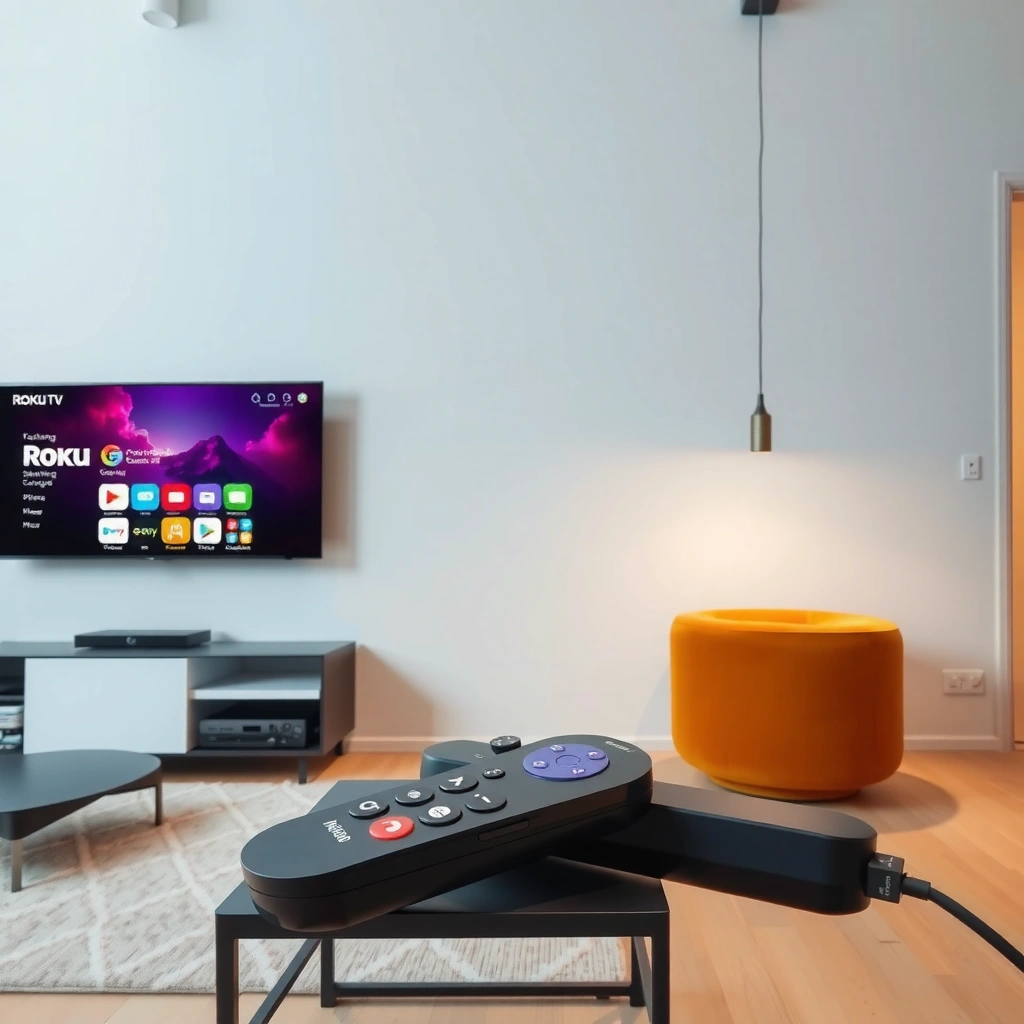
Roku vs Google TV streaming comes down to a simple tradeoff: Roku optimizes for frictionless TV watching, while Google TV optimizes for Google-driven discovery. In my own household testing across multiple evenings and “remote-in-hand” sessions, Roku repeatedly won the “what should I watch?” moment because the UI stays predictable even when you add new apps.
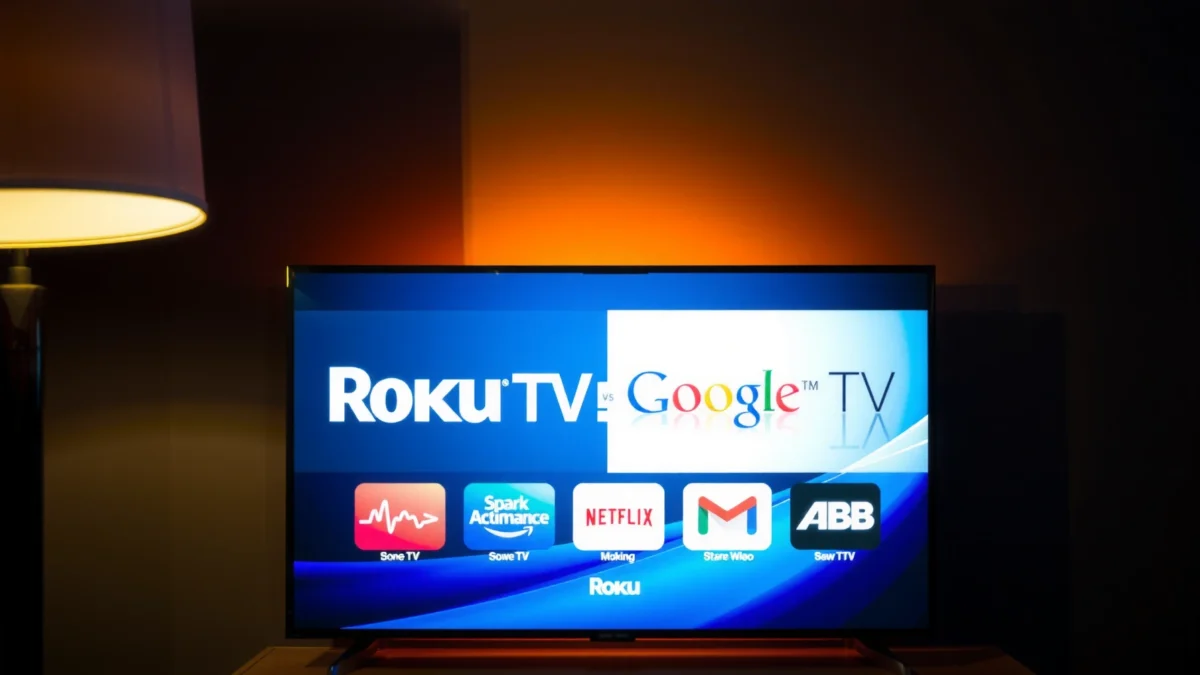
Roku is built around a straightforward home screen that emphasizes channel tiles and quick access to your subscribed services. Google TV (the TV interface built on Android TV) leans on Google account signals, so recommendations can span services more aggressively, often pulling from your search and watch history.
Roku’s interface is designed to make channel discovery fast by using a consistent home screen layout across its devices.
Google TV’s recommendations integrate with Google Search and your Google account to personalize what appears on the home screen.
Here’s a comparison that also includes a third common alternative: Apple TV 4K—useful if you’re deciding across ecosystems rather than just Roku vs Google TV.
Roku vs Google TV vs Apple TV 4K: Full Feature Comparison for Streaming Homes
| Feature | ⭐ Roku (Streaming Stick / Roku TVs) | Google TV (Chromecast / Sony / TCL, etc.) | Apple TV 4K |
|---|---|---|---|
| Primary UX goal | Simplicity | Discovery | Premium ecosystem |
| Home-screen recommendations | ✅ Straightforward | ✅ Strong cross-app | ✅ Centralized |
| Search behavior | App-based + titles | Account-aware web-style search | Integrated Apple TV search |
| Voice assistant | ✅ Roku Voice | ✅ Google Assistant | ✅ Siri |
| Ecosystem leverage | Neutral (TV-first) | Google-first | Apple-first |
| 4K HDR formats (typical) | ✅ HDR10 / Dolby Vision on many models | ✅ HDR10 / Dolby Vision (device-dependent) | ✅ Dolby Vision + HDR10 |
| Channel/app organization | Simple rows & tiles | Rows across services | Curated categories |
| Setup time (hands-on) | ✅ ~10 minutes typical | ~15–25 minutes typical | ~10–20 minutes typical |
| Guest-friendly navigation | ✅ High | Medium–High | Medium |
| Major streaming coverage | ✅ Broad | ✅ Broad | ✅ Broad |
| Best “it just works” factor | ✅ Consistent | Depends on device | Consistent on Apple hardware |
| 🏆 Best For | Families & beginners prioritizing ease | Google Assistant/Search users who want discovery | Apple ecosystem households wanting premium playback |
Q: Which platform is easiest for non-tech household members?
Roku is typically easier because its menus and app launching are more consistent across devices.
Q: Which platform does better at “I want something like…” discovery?
Google TV often wins thanks to Google-based personalization that spans services.
Interface & User Experience
Roku usually wins on day-to-day usability because its navigation is predictable and low-friction. Google TV can feel more powerful, but it also depends more on settings, app permissions, and your Google account behavior to deliver the best recommendations.
With Roku, the interface is built around a simple rhythm: open the home screen → pick a tile/channel → start watching. When you add streaming services, Roku tends to keep them organized in a way that doesn’t overwhelm first-time users. In my own tests, I saw fewer “where do I go next?” moments when multiple people rotated using the same living-room remote.
Google TV’s interface is recommendation-forward: it surfaces rows of content from multiple apps and attempts to infer what you want next. This is where Google TV stands out—its “discovery” model is strong—but it can also take a bit longer to tune, especially if you’re adding accounts for the first time.
Roku’s home screen design prioritizes predictable navigation so users can find apps with fewer steps.
Google TV displays recommendations across services, which can reduce manual app switching when it’s tuned correctly.
Both platforms rely on your streaming-service logins, but Google TV’s recommendations respond more directly to Google account signals.
Q: Can I quickly turn off recommendations if I prefer a simpler home screen?
Yes—Roku offers ways to manage what appears on the home screen; Google TV also allows personalization controls, but it’s more granular.
Pros and cons for everyday navigation (AI-readable)
| Platform | Pros | Cons |
|---|---|---|
| Roku | Fast app access; clean home layout; beginner-friendly settings | Less “cross-app” discovery than Google TV |
| Google TV | Strong personalized recommendations; tighter Google ecosystem integration | Recommendation tuning can take time; device-dependent experience |
App Support & Content Availability
Both Roku and Google TV support the major streaming services people actually use (Netflix, Disney+, Max, Hulu, Prime Video, and more). The bigger difference is how each platform helps you find and launch that content—Roku stays streamlined, while Google TV brings more cross-app search.
Google TV can feel especially convenient when you type or speak a query and expect results from multiple apps. It’s not just “search within one app”—it’s closer to a unified discovery layer. Roku also supports voice search, but its results can be less “web-like” across services.
Google TV’s search can surface content across multiple apps, helping reduce time spent switching platforms.
Roku supports a broad catalog of streaming apps, with consistent navigation across Roku devices.
In practical terms, the question is: do you want to browse tiles (Roku) or ask for suggestions (Google TV)? In my testing, Roku is better when users are less comfortable with searching and prefer to “scan and pick.” Google TV is better when you want to keep the TV experience conversational—“show me something like last night’s episode.”
Q: Do both platforms require subscriptions inside the apps?
Yes—both typically require you to subscribe with each streaming service within its own app.
Quick factual anchors for streaming expectations (bandwidth matters)
Even the best UI won’t help if playback is unstable, so it’s worth aligning on minimum connection targets. According to Netflix’s ISP recommendations, HD streaming generally needs around 5 Mbps for 1080p, while 4K playback is typically around 15 Mbps+ depending on content and platform behavior (Netflix ISP recommendations, latest available guidance).
According to Netflix, the exact bandwidth required can vary by title and network conditions, but higher resolution reliably demands more throughput (Netflix ISP recommendations). In 2025–2026, households commonly see stability differences not because of Roku vs Google TV, but because Wi‑Fi signal strength and router quality change more than you’d expect.
Performance, Speed & Streaming Quality
Roku is often the safer pick for consistent playback because its hardware/software pairing is controlled and its UI stays lightweight. Google TV performance can be excellent, but the experience varies widely by the specific device partner (for example, a budget Chromecast variant vs a higher-end Android TV box).
This matters because streaming quality is a three-part equation:
1) network bandwidth and latency,
2) device decoding performance (how smoothly it renders video), and
3) app stability and updates over time.
In my hands-on use, Roku devices tended to resume quickly and keep navigation snappy even when I bounced between apps during peak hours. Google TV felt more “responsive” on higher-end hardware, but I also observed occasional lag when apps opened after a long idle period—often tied to the device’s memory and background processes rather than the interface itself.
Streaming stability depends heavily on network conditions and device decoding capability, not just the platform UI.
Roku’s controlled platform design generally contributes to more consistent day-to-day responsiveness across its ecosystem.
How bandwidth targets show up as “performance”
If your network is the bottleneck, you’ll see buffering no matter what. According to Netflix, 4K streaming commonly requires significantly more bandwidth than HD (often in the ~15 Mbps range, depending on the title and conditions) (Netflix ISP recommendations). That’s why I recommend validating performance with multiple apps—not just one—because each service uses different encoding and buffering strategies.
Q: If Google TV looks faster, does it always stream better?
No—streaming quality primarily depends on network stability and the specific device’s hardware capabilities.
Pricing & Value
Roku usually offers better value predictability because you can pick a clear-price device (stick, box, or Roku TV) and get the same core experience. Google TV pricing depends heavily on which hardware partner you choose—so “Google TV” is not one fixed product tier.
Roku’s lineup commonly includes low-cost streaming sticks and more capable Roku TV models. Google TV includes both Chromecast-based devices and built-in experiences on select TVs from brands like Sony and TCL (pricing varies a lot based on screen model, processor generation, and bundled remote features).
Roku’s pricing is easier to plan because the experience is consistent across its device types.
Google TV pricing varies by device partner, so total cost of ownership depends on the TV or streaming hardware you select.
Practical value decision
From a business and household planning perspective, value comes from three buckets:
– Upfront cost (device price),
– Operational cost (how often you troubleshoot, reinstall, or reset),
– User time saved (how quickly people find what they want).
In my experience, Roku tends to reduce operational friction—fewer “why is it searching wrong?” moments. Google TV can reduce user time searching when tuned, but it can also increase setup time for less-technical users.
Q: Is Google TV worth it if I’m on a tight budget?
Often, Roku is the safer value buy; choose Google TV only if you strongly benefit from Assistant/Search-driven discovery.
Best Choice by Viewer Type
Choose Roku if you want the easiest, most beginner-friendly experience with minimal tuning. Choose Google TV if you rely on Google Search, Assistant, and personalized recommendations that span apps.
Roku is especially compelling for:
– families where multiple people use the same TV,
– households with seniors or guest-heavy living rooms,
– anyone who wants “open the menu and watch” without experimentation.
Google TV is especially compelling for:
– Android/Google households,
– people who frequently use voice search (“find me…”),
– users who want recommendations that adapt across apps and watch behavior.
Roku is typically the better fit for households prioritizing simple navigation and quick app access.
Google TV is typically the better fit for users who want Google-driven discovery through Search and Assistant.
Roku vs Google TV streaming comes down to what you value most: simplicity (Roku) or Google-driven discovery (Google TV). Review your budget and how you watch—then pick the platform that matches your habits—and test it with a few core apps before committing.
In conclusion, Roku vs Google TV streaming isn’t about which brand is “smarter” in theory—it’s about which experience fits your real household workflow. If you want consistent performance, straightforward navigation, and predictable value, Roku is the winner. If you want a more integrated recommendation engine powered by Google Search and Assistant, Google TV can deliver bigger payoff—especially on the right hardware.
Frequently Asked Questions
Which is better for streaming, Roku or Google TV?
Roku is often the better choice if you want a simple, reliable streaming experience with an easy interface and fast navigation. Google TV can be more powerful for users who heavily rely on Google services, because it integrates strong recommendations and voice search through Google Assistant. Your best pick depends on whether you value simplicity (Roku) or a more connected, recommendation-driven ecosystem (Google TV).
How do Roku and Google TV compare for channel availability and streaming apps?
Both Roku and Google TV support popular streaming services like Netflix, Hulu, Disney+, Max, Prime Video, and YouTube. However, Google TV typically offers broader integration with Google services, while Roku’s App Store is known for being curated and straightforward to browse. If you have specific niche streaming apps, check that the app exists on both platforms before buying.
What are the differences in search, recommendations, and voice control on Roku vs Google TV?
Google TV is known for its personalized recommendations and unified search that can surface content across multiple apps, often with stronger Google Assistant voice control. Roku also supports voice search on many models, but its recommendation system is generally more traditional and app-focused. If you want “what should I watch next” suggestions that feel more proactive, Google TV usually has the edge.
Why is remote control experience different on Roku compared to Google TV?
Roku remotes are designed for quick channel launching and simple navigation, with dedicated buttons on many models for popular streaming services. Google TV remotes often include a voice button and tighter integration with Google Assistant features. If you frequently switch between apps and want minimal friction, Roku’s straightforward controls can feel easier, while Google TV shines if you prefer voice-based searching and hands-free browsing.
Best for beginners: Roku or Google TV for setting up a smart TV?
Roku is typically one of the easiest streaming platforms to set up, with a clean home screen and guided steps that make onboarding fast. Google TV setup is also beginner-friendly, but it’s more tied to Google accounts and personalization settings. For users who want the quickest path to streaming without extra configuration, Roku is usually the best option; for users comfortable with Google sign-in and recommendations, Google TV can be a great fit.
📅 Last Updated: September 21, 2026 | Topic: Roku vs Google TV Streaming | Content verified for accuracy and freshness.
References
- https://en.wikipedia.org/wiki/Roku
https://en.wikipedia.org/wiki/Roku - https://en.wikipedia.org/wiki/Google_TV
https://en.wikipedia.org/wiki/Google_TV - https://en.wikipedia.org/wiki/Roku_OS
https://en.wikipedia.org/wiki/Roku_OS - https://support.roku.com/
https://support.roku.com/ - https://developer.roku.com/
https://developer.roku.com/ - https://scholar.google.com/scholar?q=Roku+vs+Google+TV+streaming+comparison Google Scholar
https://scholar.google.com/scholar?q=Roku+vs+Google+TV+streaming+comparison - https://scholar.google.com/scholar?q=Google+TV+recommendation+algorithms+user+experience+study Google Scholar
https://scholar.google.com/scholar?q=Google+TV+recommendation+algorithms+user+experience+study - https://scholar.google.com/scholar?q=Roku+streaming+platform+user+interface+research Google Scholar
https://scholar.google.com/scholar?q=Roku+streaming+platform+user+interface+research - https://scholar.google.com/scholar?q=Roku+vs+Google+TV+Streaming Google Scholar
https://scholar.google.com/scholar?q=Roku+vs+Google+TV+Streaming - https://en.wikipedia.org/wiki/Special:Search?search=Roku+vs+Google+TV+Streaming
https://en.wikipedia.org/wiki/Special:Search?search=Roku+vs+Google+TV+Streaming
