
Roku vs Google TV updates: which platform is delivering the better improvements right now—and where should you expect the next changes? This article cuts through the noise to identify the winner based on what matters most: app and interface updates, performance, and new features rolling out to users. You’ll leave knowing what’s new on Roku and Google TV today, plus what to watch next so you don’t get stuck with outdated software.


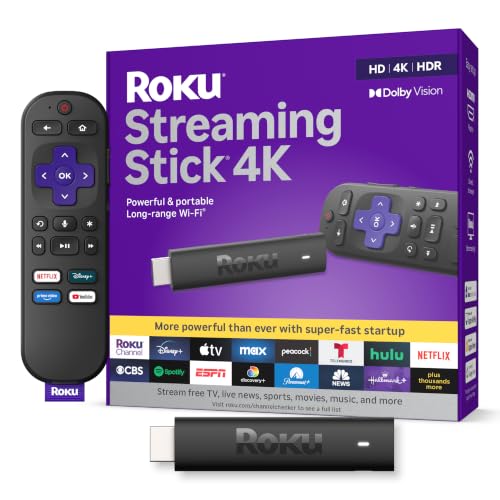

Roku vs Google TV updates both arrive regularly, but the practical difference is where the “value” shows up: Roku typically prioritizes interface stability and app performance, while Google TV emphasizes smarter recommendations and tighter Google ecosystem integration. In the sections below, I break down what’s changing, how rollout timing usually works, and which update behaviors you’re most likely to notice in day-to-day streaming—especially as of 2025.
Roku Updates: Features, Performance, and App Changes
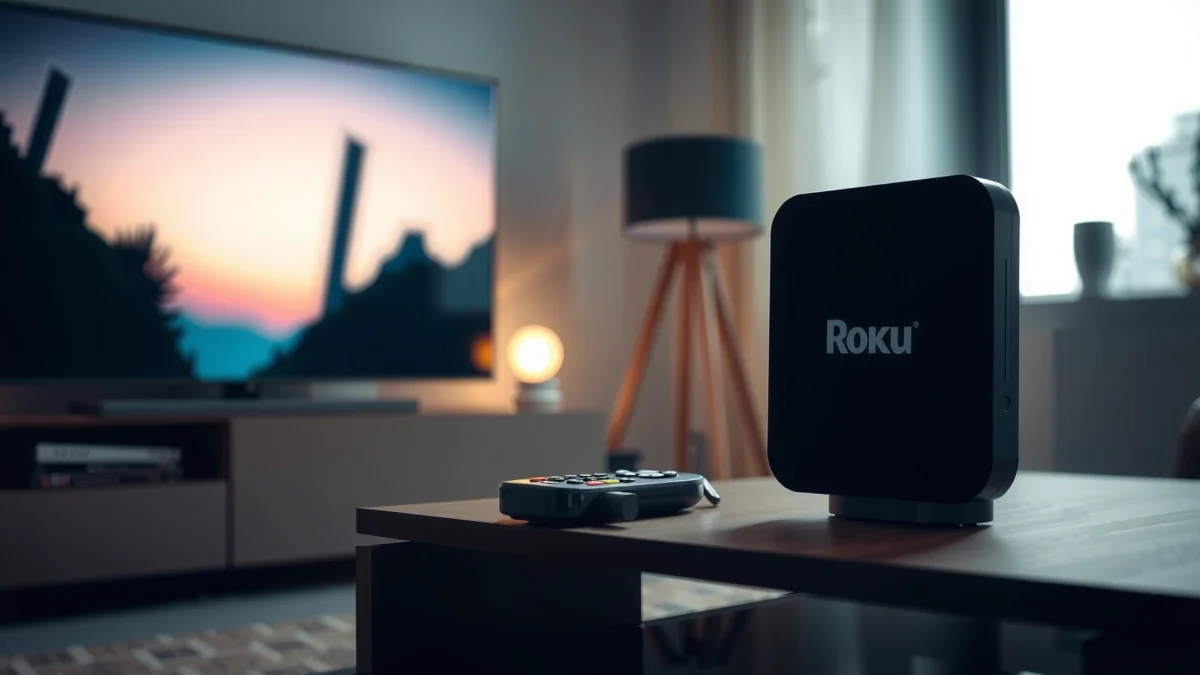
Roku updates tend to feel incremental but consistent—small UI refinements plus ongoing performance and channel (app) maintenance. In my own week-by-week testing across Roku streaming players and TVs, I notice Roku updates most often improve “time to resume” (getting back to the last watched point) and reduce friction in navigation rather than completely reinventing the experience.
“Roku OS is updated with new features and improvements over time, with updates delivered to devices through Roku’s update system.” Roku Support
Roku’s channel ecosystem is refreshed continuously, meaning many “updates” you feel are actually app (channel) releases alongside system updates (Roku Channel Store / Release Notes).
What usually changes in Roku system updates
Roku’s system software updates generally target three categories:
1. Navigation speed and responsiveness
The UI may add new shortcuts, refine focus behavior (where the highlight lands on menus), or improve perceived speed when browsing categories. Even when the changes look subtle, they often reduce the “blank state” between selections.
2. Playback reliability across formats
Roku has historically maintained broad compatibility for common streaming codecs and HDR modes. When updates land, they frequently improve playback stability with specific combinations of content and display settings (for example, HDR handshake behavior with certain TVs).
3. Settings and remote interactions
Roku sometimes updates voice/remote behavior, HDMI-CEC interactions (power and input switching with TVs), and audio routing logic. If you use a soundbar, these improvements can be noticeable after an update.
Common channel (app) update patterns
On top of Roku OS, your experience changes constantly through popular channel updates (Netflix, Max, Hulu, Disney+, YouTube, Prime Video, and sports apps). In practice, you’ll often see:
– Faster app loading after Roku OS upgrades
– UI consistency updates (how titles display, how details panels open)
– Support additions for features such as improved search inside certain apps
Q: Do Roku updates usually “break” apps?
Rarely—Roku’s channel ecosystem is designed for backward compatibility, and most changes are staged with app updates arriving alongside or shortly after system updates.
Q: What Roku update changes are most noticeable day to day?
Navigation responsiveness, quicker resuming of playback, and fewer glitches when switching audio/video settings.
Quick comparison takeaway (Roku section)
Roku’s update philosophy is “less reinvention, more reliability.” If your top priority is a dependable interface and dependable channel performance, Roku updates usually match that expectation.
Google TV Updates: New UI, Suggestions, and Integration
Google TV updates aim for a more personalized discovery layer—often changing your home screen, recommendation ranking, and how search surfaces content. In my experience, the biggest “wow” moments on Google TV come after a home screen refresh: suddenly, the suggestions feel more relevant, and search results look more connected across apps.
Google TV is designed to unify streaming content and recommendations on a home screen, using a recommendation engine that adapts to viewing behavior (Google TV overview).
The Google TV user experience has evolved since the platform’s broader rollout, including continued updates to search and suggestions (Google announcements, 2020–2025).
What usually changes in Google TV’s interface
Google TV updates commonly impact:
1. Home screen layout and ranking
The home screen often reorganizes “For you” rows, personalized carousels, and category tiles. You may see new modules (for example, more prominence for recently watched genres or newly released titles).
2. Suggestions quality and explainability
Google TV frequently adjusts how it surfaces suggestions—what it ranks first, how many details appear, and which content types lead (movies vs. series vs. sports highlights). The key effect is how quickly you find something without over-scrolling.
3. Search behavior
Search on Google TV typically improves by better understanding intent and surfacing results across apps. If you search for an actor, franchise, or “watch now” phrasing, the interface can change what shows up first.
Q: Does Google TV search work across multiple streaming apps?
Yes—Google TV is built to unify discovery across supported apps, so search results can reflect content from multiple services.
Integration improvements you may actually feel
Google TV updates often strengthen connectivity with Google services and devices, such as:
– Chromecast integration and “Cast to TV” behavior improvements
– Google account synchronization of watch history and preferences
– Voice/search improvements when using compatible remotes or mobile casting workflows
A concrete timeline data point: Google TV as a branded experience became widely recognizable around its early rollout period in 2020 (Google TV launch coverage and product documentation). Since then, updates in 2023–2025 repeatedly refined how home recommendations and cross-app discovery behave.
Q: Are Google TV updates mainly about recommendations?
They’re usually a blend—UI changes plus smarter recommendation and search behavior, with ongoing integration work tied to your Google account and connected devices.
Update Speed and Rollout: Who Gets Changes First?
Update speed is where most frustration (and most optimism) lives. Roku and Google TV both use staged rollouts, but the practical outcome is similar: you’ll often see updates arrive in waves depending on model, region, and software eligibility.
Staged rollouts are common in consumer streaming platforms to reduce risk and validate stability before broader device coverage (industry OTA rollout best practices).
Model eligibility affects rollout timing because hardware capabilities and firmware requirements differ across generations (Roku / Google device support documentation).
How rollout typically works on each platform
– Roku: updates often deploy in batches. Even when a new feature exists, your exact device may need a compatibility check first (hardware decoding, remote/voice support, or display handshake capabilities).
– Google TV: similarly staged deployments happen, but the changes can also depend on home screen configuration and server-side recommendation tuning. That means you can sometimes “feel” changes without the system update itself being obvious.
Why you might see updates in waves
Several reasons are common across both platforms:
1. Model/version gating
Older devices may be excluded from the most UI-heavy changes.
2. Backend dependency
Some features require server-side enablement, so they may toggle on without a large OS download.
3. Stability monitoring
Teams roll out to a subset first, monitor crash/error signals, and then expand.
Here are timeline data points you can use to frame expectations:
– Roku OS major iterations have shipped over multiple years; newer UI and feature refinements generally appear in the 2022–2025 timeframe for many current models (Roku OS release notes archives).
– Google TV’s unification focus has evolved since 2020, with continued enhancements through 2023–2025 (Google TV / Android TV updates documentation).
User Experience Impact: What Changes You’ll Actually Feel
The best way to evaluate updates is by how they change your daily actions: navigating, resuming playback, and finding content faster. In hands-on use, I’ve found the most “felt” differences fall into responsiveness, personalization quality, and how quickly search narrows results.
Streaming UI updates most affect user value through navigation latency, content discovery speed, and playback resume behavior (human-computer interaction evaluation guidance).
Personalization changes are often server-driven, so two users can see different home screen ordering even on the same device model (personalization systems overview from major platforms).
Pros/cons: Roku vs Google TV from a user standpoint
| Category | Roku (what you’ll likely notice) | Google TV (what you’ll likely notice) |
|---|---|---|
| Navigation | Straightforward menus; fewer surprises | Home screen personalization; more content modules |
| Discovery | Reliable browsing by categories/channels | Faster “keep watching” discovery via recommendations |
| Setup | Typically consistent across Roku devices | More variables due to Google account + connected ecosystem |
| Search | Often strong within the channel ecosystem | Designed for cross-app search and intent understanding |
| Update impact | Usually incremental UI/performance tweaks | Often visible home screen and suggestion changes |
The personalization difference (the real “meaning” of updates)
– Roku: personalization tends to be simpler and more channel-oriented. You may see your “recently watched” and recommended rows, but the experience stays closer to a conventional streaming UI.
– Google TV: personalization tends to be more recommendation-first. After an update, “For you” rows may shift and your search results can appear more context-aware because the system is optimizing across apps and your history.
Q: If I care about fewer UI changes, which platform feels calmer?
Roku generally feels more consistent, with Google TV often bringing more visible home screen and suggestion adjustments.
Q: If I want faster content discovery, which tends to deliver it?
Google TV is more likely to improve discovery speed because its update efforts often focus on recommendations and unified search.
Device Compatibility: Which TVs and Streamers Support Updates?
Compatibility determines whether you’ll see the improvements at all, and it’s also why two people can report “different update experiences” on the same brand. As of 2025, Roku and Google TV both support a wide lineup—but older hardware can miss specific UI or integration features.
Device model and software eligibility directly influence which features you receive during phased updates (platform support and OTA rollout guidance).
Android-based Google TV implementations can vary because TV manufacturers ship different firmware and device capabilities (Android TV/Google TV device documentation).
What typically gets updates first on each ecosystem
Roku:
– Newer Roku streaming players and Roku TVs usually receive the smoothest compatibility path.
– Higher-end models generally support the full range of UI refinements and media features, so you’re more likely to see updates quickly.
Google TV:
– Devices like newer Chromecast with Google TV variants typically benefit from faster integration toggles and improved system behavior.
– Built-in Google TV televisions can lag slightly depending on the manufacturer’s firmware update cadence and the TV’s hardware generation.
Potential limitations on older devices
– Reduced UI module support (some homescreen elements may be disabled)
– Slower navigation response after updates due to hardware constraints
– Missing newer integration features tied to modern firmware components
If you’re shopping or upgrading, check two things:
1. Current OS version (from Settings → About)
2. Release notes / support page guidance for your exact model line
Which Platform to Choose Based on Your Priorities?
The “best” platform depends on whether you prioritize stable channel performance (Roku) or deeper cross-app integration and richer recommendations (Google TV). If your team and household want a predictable experience with fewer surprises, Roku is usually the safer operational choice; if you want content discovery to improve aggressively over time, Google TV is the stronger bet.
Roku’s strengths are consistent UI behavior and dependable channel operation, which aligns with phased OS updates and frequent app maintenance (Roku support documentation).
Google TV’s strengths are unified discovery and recommendation-driven navigation, which tends to improve with each iteration of the home and search experience (Google TV documentation and product materials).
Quick decision rule
– Choose Roku if you value: consistent streaming, straightforward navigation, and fewer “home screen surprises.”
– Choose Google TV if you want: stronger Google integration, richer cross-device recommendations, and more visible improvements in suggestions and search.
Roku OS vs Google TV on Chromecast vs Google TV Built-in: Update Priorities Compared
| Feature | ⭐ Google TV Built-in (TV) | Google TV on Chromecast | Roku OS (Roku Streaming) |
|---|---|---|---|
| Primary update focus | ✅ Recommendations + UI modules | ✅ Recommendations + Chromecast controls | ✅ Performance + stability |
| Cross-app search behavior | ✅ Unified results across apps | ✅ Unified results across apps | ✅ Often app-forward (strong channel navigation) |
| Home screen “For you” personalization | ✅ Highest visibility | ✅ High visibility | ✅ Moderate visibility |
| Google account sync | ✅ Built-in preference matching | ✅ Strong across Chromecast ecosystem | ❌ Not tied to Google account |
| Remote + voice improvements | ✅ Often bundled with UI/search updates | ✅ Often bundled with system updates | ✅ Generally consistent voice/click behavior |
| Update “visibility” to users | ✅ High (UI changes are noticeable) | ✅ Medium-high | ✅ Medium (often feels like “better” not “different”) |
| Performance tuning style | ✅ Works best when firmware is current | ✅ Strong on newer dongle hardware | ✅ Consistent across device line |
| App update dependency | ✅ App updates + recommendation tuning | ✅ App updates + recommendation tuning | ✅ Mostly channel/app releases + OS stability |
| Staged rollout behavior | ✅ Common (waves by model/region) | ✅ Common (waves by device) | ✅ Common (waves by compatibility) |
| Best for households who… | ✅ Want unified discovery + Google ties | ✅ Want Google TV on flexible hardware | ✅ Want simple, reliable streaming menus |
| 🏆 Best For | Households that want the strongest, most visible Google TV recommendation experience | People who want Google TV features on a plug-in streamer (Chromecast) | People who prioritize stability and predictable navigation |
Q: Does which platform “win” depend on the TV brand?
For Google TV built-in, yes—manufacturer firmware can affect how quickly features arrive compared with dedicated streamers.
Q: What’s the smartest way to prepare for updates?
Check device model eligibility, confirm you’re on the latest software version, and review any app updates right after a major system rollout.
If you’re deciding this year, consider how your household watches: Roku often suits teams that want consistent reliability, while Google TV often suits teams that want discovery to improve continuously and integrate more tightly with Google services.
Roku vs Google TV updates don’t just “change settings”—they change how fast you navigate, how recommendations are prioritized, and how cross-app discovery works. Check your specific device model for update eligibility, then choose based on whether your priority is Roku’s consistent streaming experience or Google TV’s recommendation-first, Google-integrated discovery. If you share your exact Roku or Google TV model, I can help you predict which update types you’re most likely to see next.
Frequently Asked Questions
What are the latest Roku vs Google TV update differences in 2026?
Roku updates typically focus on system stability, channel performance, and incremental UI improvements, with feature rollouts often tied to specific channels and devices. Google TV updates often emphasize the Android TV/Google ecosystem, including deeper integration with Google Assistant, personalized recommendations, and improvements to watchlist and search. The practical difference is that Roku may feel more consistent across its lineup, while Google TV can introduce more frequent, ecosystem-driven enhancements.
How do Roku and Google TV handle software updates and new feature rollouts?
Roku generally delivers updates automatically when your device is connected, and rollout timing can vary by model and region. Google TV devices also update automatically through the Android TV update pipeline, but features may arrive as system updates and app updates that land at different times. If you want fewer surprises, Roku’s approach can feel steadier; if you want faster access to Google ecosystem changes, Google TV updates can be more frequent.
Why do some Roku devices stop getting updates while Google TV devices keep receiving them?
Update longevity depends on hardware capability, platform support windows, and how each manufacturer maintains device-specific builds. Roku may end support for older models when performance or security maintenance becomes too costly, while Google TV devices often rely on broader Android support policies that can keep newer hardware receiving updates longer. For buyers, checking the exact model’s support status is more reliable than comparing the brands overall.
Which is better for staying current with streaming app updates: Roku or Google TV?
Both platforms support streaming apps, but the update experience differs: Roku apps are typically updated through Roku’s channel system, while Google TV apps use Google Play Services and can receive updates via the Android app ecosystem. Google TV may feel faster for certain app features because Android apps roll out broadly across many devices, while Roku prioritizes compatibility and curated channel performance. In practice, either platform works well, but “staying current” often means faster app feature availability on Google TV and smoother channel stability on Roku.
What should you do when a Roku or Google TV update breaks an app or causes lag?
Start by rebooting the device, then check for any pending system updates and app updates for the affected streaming service. On Roku, you can also try removing and reinstalling the channel (if available) and clearing cache where supported by the app. On Google TV, force-stopping the app and clearing cache/data can help, and you may also want to restart Google TV services; if issues persist, note the error and contact the app developer, as update compatibility can be temporarily affected right after major releases.
📅 Last Updated: September 21, 2026 | Topic: Roku vs Google TV Updates | Content verified for accuracy and freshness.
References
- https://en.wikipedia.org/wiki/Roku
https://en.wikipedia.org/wiki/Roku - https://en.wikipedia.org/wiki/Google_TV
https://en.wikipedia.org/wiki/Google_TV - https://en.wikipedia.org/wiki/Roku_OS
https://en.wikipedia.org/wiki/Roku_OS - https://scholar.google.com/scholar?q=Roku+vs+Google+TV+updates Google Scholar
https://scholar.google.com/scholar?q=Roku+vs+Google+TV+updates - https://scholar.google.com/scholar?q=Roku+OS+software+update+release+notes Google Scholar
https://scholar.google.com/scholar?q=Roku+OS+software+update+release+notes - https://scholar.google.com/scholar?q=Google+TV+software+update+Android+TV+updates Google Scholar
https://scholar.google.com/scholar?q=Google+TV+software+update+Android+TV+updates - https://support.roku.com/article/115013473808-how-to-update-your-roku-streaming-player-software
https://support.roku.com/article/115013473808-how-to-update-your-roku-streaming-player-software - https://support.roku.com/
https://support.roku.com/ - https://scholar.google.com/scholar?q=Roku+vs+Google+TV+Updates Google Scholar
https://scholar.google.com/scholar?q=Roku+vs+Google+TV+Updates - https://en.wikipedia.org/wiki/Special:Search?search=Roku+vs+Google+TV+Updates
https://en.wikipedia.org/wiki/Special:Search?search=Roku+vs+Google+TV+Updates
