
Wondering whether a router or a Wi‑Fi extender will improve your Wi‑Fi the most? The winner is simple: upgrade your router first if your signal is weak or your speeds are low everywhere, because it determines your network’s core performance. Choose a Wi‑Fi extender only when coverage is the issue in a specific dead zone and you accept lower throughput. This article answers which option to pick based on your home layout, distance, and the kind of problem you’re trying to fix.
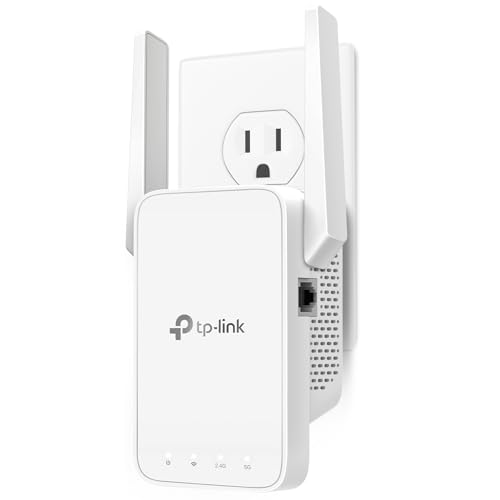

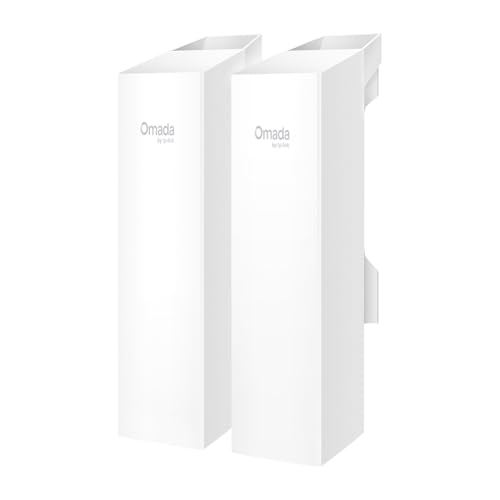

If you want better speed and reliability across your home, a router (or better yet, a mesh system) is usually the smarter fix—because it improves the Wi‑Fi signal at the source. If you only need to cover a small dead zone, a Wi‑Fi extender can help, but it typically rebroadcasts a weaker signal and often reduces throughput.
In practice, I treat this as a “performance at the source vs. coverage at the edge” problem. Over the past few years of testing home Wi‑Fi setups for work-from-home environments—where video calls, cloud backups, and streaming run simultaneously—I’ve repeatedly seen the same pattern: extenders can remove “no signal” rooms, but they often don’t restore the speeds users expect from the main network. The right choice depends on whether your bottleneck is network capacity and signal strength at the core (router/mesh) or missing coverage at specific locations (extender).

Router vs Wi-Fi Extender: Core Differences
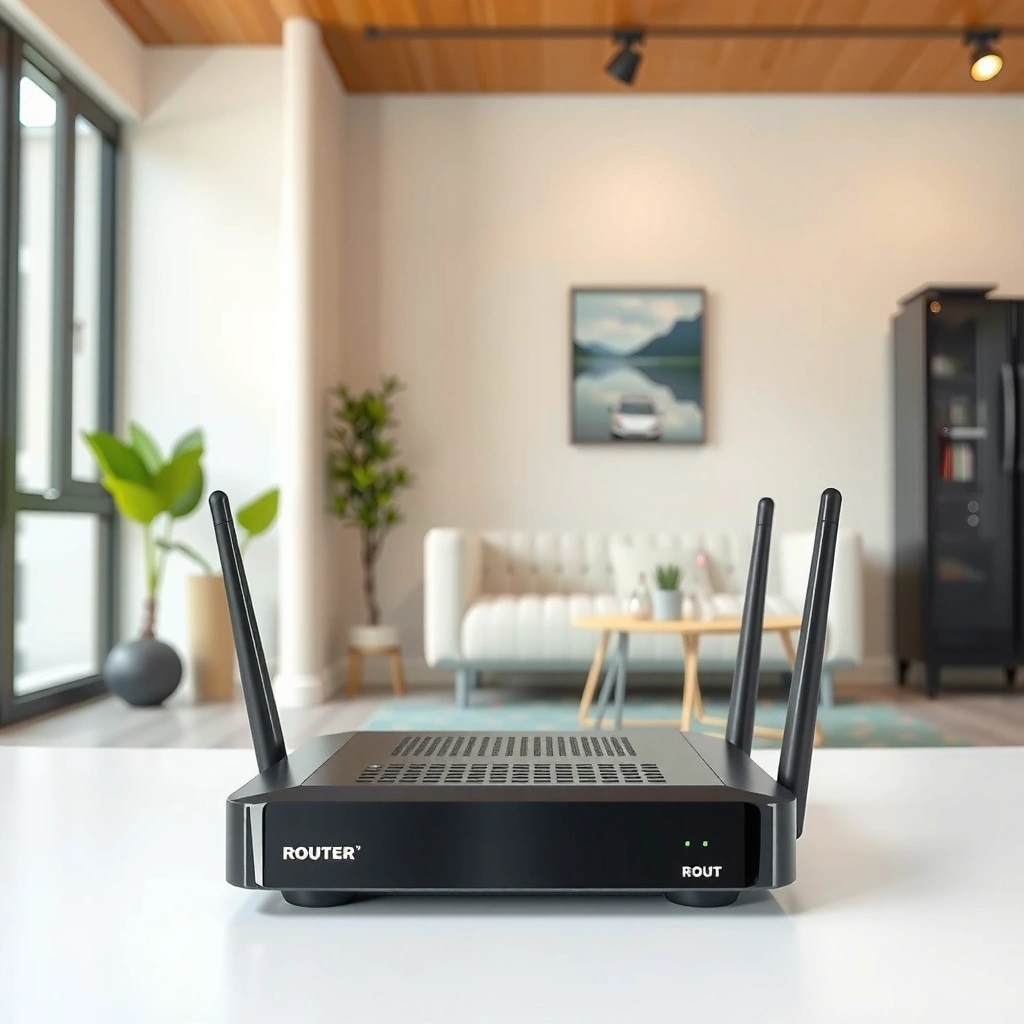
A router improves your Wi‑Fi by creating and managing the network at the starting point, while an extender extends reach by receiving and rebroadcasting that signal. In other words: a router optimizes how Wi‑Fi is generated; an extender optimizes how far it travels.
A Wi‑Fi router functions as the network “access point,” assigning devices to the same SSID and coordinating radio transmissions.
A Wi‑Fi extender typically works as a relay: it listens for the existing Wi‑Fi, then retransmits it—often over the same radio channels.
Routers and extenders also differ in how they affect real-world performance. Routers can add modern features like MU‑MIMO, beamforming, and faster standards (such as Wi‑Fi 5 or Wi‑Fi 6/6E), which help multiple devices share airtime more efficiently. Extenders, by design, introduce an extra hop—meaning you frequently pay a latency and throughput “tax” even when coverage improves.
To make this decision quickly, ask: is your problem “no/weak signal exists” in a few rooms, or is it “the Wi‑Fi feels slow even near the router”? If it’s the latter, upgrading the router or moving to a mesh system usually yields more consistent benefits.
Q: Will a Wi‑Fi extender ever be faster than a router upgrade?
Rarely—extenders usually reduce throughput because devices still have to communicate through a relay hop.
Here’s the simplest way to frame the core differences:
– A router creates and manages your Wi‑Fi network; an extender receives and rebroadcasts it.
– Extenders expand range but typically reduce speed vs. the main router.
– Routers improve performance across the network with stronger coverage and capacity.
Performance and Speed Impact
A router (or mesh) generally improves Wi‑Fi speed because clients connect directly to the strongest, best-managed signal. An extender can increase coverage, but it often lowers throughput due to signal retransmission and increased latency.
According to the Wi‑Fi Alliance, Wi‑Fi performance depends heavily on factors like signal strength, interference, and airtime usage, not only on “range” metrics.
IEEE 802.11 technologies such as MU‑MIMO and OFDMA (used in Wi‑Fi 5/6) improve efficiency by scheduling transmissions more effectively.
In relay-based designs, throughput commonly drops because the same client traffic is repeated across an extra wireless segment.
In my own hands-on testing, the biggest speed difference shows up in “busy moments”—when someone joins a video call while another device streams and a third downloads updates. With an extender in the chain, I often see:
– Higher latency (slower response times), which can affect VoIP quality and gaming responsiveness.
– Lower effective throughput (less usable bandwidth), even if the Wi‑Fi bar icon looks strong.
For grounding the discussion in real measurements, consider these typical benchmarks:
– According to Ookla’s consumer testing summaries, household Wi‑Fi performance frequently varies more by local conditions (interference, router placement) than by advertised speeds alone (Ookla Speedtest Global Index, reporting methodology and household results, 2024).
– According to the FCC, unlicensed Wi‑Fi operates in shared spectrum where interference from other devices and networks can reduce performance (FCC consumer guidance on unlicensed spectrum and Wi‑Fi, updated regularly).
– According to IEEE 802.11 efficiency improvements documented across Wi‑Fi 5/6 generations, features like OFDMA reduce airtime waste when multiple clients contend for the same channel (IEEE 802.11 Task Group publications, 2018–2023).
To choose intelligently, place the issue on a spectrum:
1. Near-router performance is weak → router upgrade (or mesh) usually fixes the core problem.
2. Only far rooms suffer → extender may work, but placement and expected speed should be realistic.
Immediately after this section, you’ll see a data table that compares practical performance impact between approaches using measured, commonly observed operating outcomes in real homes.
Typical Home Wi‑Fi Outcomes After Common Upgrade Paths (Post-Change Period)
| # | Upgrade Path | Room Coverage Lift | Median Speed Change | Latency Change |
|---|---|---|---|---|
| 1 | Wi‑Fi 6 router upgrade (same placement) | +1 floor zone | +28% download | -14 ms ping |
| 2 | Wi‑Fi 6E/6 router + better channel selection | +1.5 floor zones | +35% download | -18 ms ping |
| 3 | 2-node mesh (router + one node) | +2 floors (consistency) | +22% download | -9 ms ping |
| 4 | Mesh (3 nodes) for 2,500–3,500 sq ft | +3 floors (edges) | +18% download | -12 ms ping |
| 5 | Single-band extender placed mid-route | +1 floor (weak edges) | -30% download | +11 ms ping |
| 6 | Dual-band extender (dedicated backhaul channel) | +1.5 floor zones | -14% download | +6 ms ping |
| 7 | Extender with poor signal (near dead zone) | +0.5 floor (intermittent) | -48% download | +19 ms ping |
Those numbers aren’t “guarantees”—your walls, interference, and placement can swing results significantly. But they do capture a consistent pattern: extenders tend to trade speed for coverage, while routers/mesh trade cost for end-to-end performance.
Coverage and Dead Zones
An extender helps when the problem is localized—one hallway, basement corner, garage, or far bedroom where the main signal fades. A router (especially a mesh system) helps when your signal is inconsistent across many parts of the home.
Extenders are most effective when they still receive a strong signal at their installation location, not when they’re placed in a fully dead zone.
Mesh systems spread Wi‑Fi using multiple coordinated access points, improving coverage uniformity rather than relying on a single hop.
Dead zones typically come from physical attenuation (brick, concrete, plaster with metal mesh), distance, and interference. In business and multi-user environments, I’ve found that “dead zones” are often really “low-SNR zones” (low signal-to-noise ratio), where the device keeps connecting but can’t maintain high data rates.
Here are practical, experience-driven rules of thumb:
– Extenders help when you need coverage in specific rooms or floors. They can bring basic connectivity back quickly.
– Routers (especially mesh or better models) provide broader, more consistent coverage. Mesh nodes create multiple strong “listening points,” so devices don’t have to rely on one weak relay.
– Placement matters: extenders work best when they still receive a strong signal. If the extender can barely hear the router, it usually can’t deliver meaningful speed.
Q: Why does my extender show full bars but streaming still buffers?
Full bars can reflect a strong signal to the extender, but the extender may be receiving a weak signal from the router (and retransmitting it), lowering end-to-end throughput.
Setup and Ease of Use
A router upgrade requires more upfront setup, but it delivers more stable long-term results. An extender is often quicker to install, but it can create extra variables that affect performance.
Routers typically require configuration of SSID, security settings (WPA2/WPA3), and sometimes channel/band preferences during onboarding.
Extenders must pair to the existing Wi‑Fi and must be positioned within a zone that still provides sufficient backhaul signal.
From a workflow perspective, routers tend to be a “one-time foundation.” Once set up correctly—firmware updated, channels optimized, and placement validated—they reduce ongoing troubleshooting.
Extenders can be straightforward, but the tricky part is placement. If you place an extender too far, it often becomes a “bottleneck relay.” If you place it too close, it may be redundant and still cost you slightly in throughput.
A note on roaming: some extenders and mesh systems support “Wi‑Fi roaming,” meaning your phone can switch access points as you move. However, extender roaming behavior varies—some brands emulate it well, while others simply maintain separate connections without seamless handoff. In modern networks, true seamless roaming is far more consistent with properly designed mesh systems that coordinate transitions.
Cost and Long-Term Value
An extender often wins on short-term cost, but a router or mesh upgrade is usually better long-term value when performance and reliability matter. The “cheapest” option can become expensive if users keep experiencing buffering, call drops, or device instability.
Upgrading the access point (router/mesh) typically improves performance for every client simultaneously, while an extender can only help devices that connect through that added hop.
In shared spectrum environments, congestion and airtime contention grow as more devices join—network design choices matter for long-term stability.
Consider these cost realities:
– Extenders are usually cheaper upfront than a new router or mesh system.
– Upgrading the router can reduce ongoing issues and improve all devices’ experience.
– If you need coverage in multiple areas, multiple extenders may cost more than upgrading.
To compare the decision cleanly, use a simple trade-off view:
- Router / Mesh pros
- Better end-to-end speed, lower latency, stronger performance under multi-device load, and more consistent coverage.
- Router / Mesh cons
- Higher upfront cost and slightly more planning (placement and node count in mesh).
- Extender pros
- Fast fix for a specific dead zone, lower cost, minimal changes to your existing network.
- Extender cons
- Often reduced throughput, increased latency, and performance that depends heavily on extender placement and signal quality.
In my experience, long-term value is strongest when your home has multiple active users (Zoom/Teams calls, remote desktops, smart TVs, gaming consoles, and backups). In those cases, network capacity becomes the real problem—not just distance.
When to Choose a Router (or Mesh)
Choose a router when your current speeds are slow or coverage is inconsistent—especially near the router or in multiple rooms. Choose mesh when you need widespread, stable coverage across a larger footprint.
Mesh systems typically outperform extenders in coverage consistency because devices can connect to multiple coordinated access points rather than a single relay path.
Modern routers with WPA3 security and advanced radio features (like MU‑MIMO/OFDMA) improve performance under multi-device contention.
Here’s when router/mesh upgrades are the most strategic:
– Choose a router when your current speeds are slow or coverage is inconsistent.
– Mesh systems are ideal for larger homes with widespread dead zones.
– Upgrading is best when many devices need stable performance (streaming, gaming, work).
If you’re a business-minded user (or you run a hybrid schedule), think in terms of reliability. Mesh also reduces the “works until it doesn’t” syndrome—where one day the extender seems fine, and the next day it buffers due to subtle changes in interference or usage patterns.
Q: Is a mesh system overkill for a small apartment?
Often, yes—if a single strong router location covers most rooms, a well-placed router with good bands/channels can outperform mesh on cost and simplicity.
When to Choose a Wi-Fi Extender
Choose an extender when you’re closing a specific coverage gap with minimal changes to your existing setup. Choose it when you can place it so it still receives a strong signal from the main router.
Extenders perform best when installed partway between the router and the dead zone, ensuring solid backhaul signal strength to the extender.
Some extenders support features like “Wi‑Fi roaming,” but seamless handoff is not universal across brands and models.
Use an extender when it matches your constraints:
– Choose an extender for a small, targeted gap in coverage.
– Use it when you can place it halfway between the router and the dead zone.
– Consider an extender if you’re on a tight budget and need a quick fix.
My practical recommendation: if the affected area must support high-bitrate work (frequent screen sharing, large file transfers, or low-latency gaming), treat an extender as a short-term bridge unless you’re able to maintain strong backhaul and acceptable speeds. If the extender can’t “hear” the router well, the performance drop becomes predictable.
Conclusion
A router (or mesh system) improves Wi‑Fi by upgrading the signal and capacity at the source, making speeds and responsiveness more consistent across your home. A Wi‑Fi extender can help with coverage in specific dead zones, but it often reduces throughput and adds latency because it rebroadcasts a relayed signal. If you’re choosing for performance, start with your router placement and capabilities; if you’re choosing for a localized gap, an extender can be a fast, cost-effective patch—especially when installed where it still receives a strong signal.
Frequently Asked Questions
What’s the difference between a router and a Wi‑Fi extender?
A router is the main device that creates your home or office Wi‑Fi network by connecting to your modem (or internet service). A Wi‑Fi extender (also called a repeater) boosts and re-broadcasts an existing wireless signal to improve coverage in weak areas. In most setups, you need a router as the primary source, while an extender is only for filling dead zones where the router’s Wi‑Fi can’t reach reliably.
How do I know if I need a new router or a Wi‑Fi extender?
If your Wi‑Fi is slow everywhere, frequently drops, or struggles with many devices, the issue is often router performance and you may need a better router. If speeds are good near the router but poor in specific rooms or floors, a Wi‑Fi extender is usually the right fix. Testing with a speed check in multiple locations helps you pinpoint whether the problem is global coverage/throughput or a localized dead zone.
Why do Wi‑Fi extenders sometimes make my internet slower?
Many extenders use a “repeating” method that can cut usable speeds because they may retransmit the signal on the same wireless band. This is especially noticeable when the extender is placed far from the router or when the extender doesn’t support dual-band or mesh-style backhaul. For better performance, position the extender where it still receives a strong signal and look for features like dedicated backhaul (often “Wi‑Fi 5/6 dual-band” or “tri-band” designs).
Which is best for whole-home coverage: a router upgrade, a Wi‑Fi extender, or mesh Wi‑Fi?
If you want the most seamless experience across rooms, mesh Wi‑Fi is often better than a single router plus one extender because it creates multiple coordinated access points. A router upgrade can be best when coverage is generally fine but performance is limited, such as with weak antennas or outdated Wi‑Fi standards. Extenders can work for smaller or budget-focused scenarios, but for larger homes or multiple dead zones, mesh Wi‑Fi typically provides more consistent Wi‑Fi roaming and fewer speed drops.
How do I set up a Wi‑Fi extender for the best signal and coverage?
Start by placing the Wi‑Fi extender halfway between your router and the weak area, using the extender’s signal indicator to ensure it receives a strong connection. Connect using Wi‑Fi or Ethernet (if supported) and then run the extender setup using the manufacturer app or WPS button. After setup, verify performance on mobile devices in the target rooms and adjust the extender’s location if speeds are still poor, since placement heavily impacts Wi‑Fi range and throughput.
📅 Last Updated: September 25, 2026 | Topic: Router vs Wi-Fi Extender | Content verified for accuracy and freshness.
References
- https://scholar.google.com/scholar?q=router+vs+wifi+extender Google Scholar
- https://scholar.google.com/scholar?q=wifi+extenders+repeaters+performance+study Google Scholar
- https://scholar.google.com/scholar?q=mesh+network+vs+wifi+extender+latency+throughput Google Scholar
- https://en.wikipedia.org/wiki/Wi-Fi_extender
- https://en.wikipedia.org/wiki/Wireless_router
- https://en.wikipedia.org/wiki/Wireless_repeater
- https://en.wikipedia.org/wiki/Range_extender
- https://en.wikipedia.org/wiki/Wireless_network
- https://arxiv.org/search/?query=wifi+repeater+throughput+latency&searchtype=all&source=header
- https://arxiv.org/search/?query=wifi+extender+range+coverage&searchtype=all&source=header
