

Smart glass displays are poised to transform our driving experience by enhancing safety, connectivity, and user interaction. These cutting-edge technologies not only elevate the aesthetics of vehicle dashboards but also seamlessly integrate vital information and entertainment into our journeys. As we explore the various roles of smart glass displays in future vehicles, it’s clear that they will redefine how we engage with our cars, leading to safer, smarter, and more enjoyable driving experiences.
Enhanced Driver Safety

Safety is paramount in any vehicle, and smart glass displays are designed to support this crucial aspect of driving. One of the most significant features is their ability to provide real-time navigation and hazard alerts. By presenting critical information directly in the driver’s line of sight, smart glass minimizes distractions, allowing drivers to focus more on the road ahead. Instead of glancing down at a traditional dashboard, drivers can receive updates without taking their eyes off their main focus.
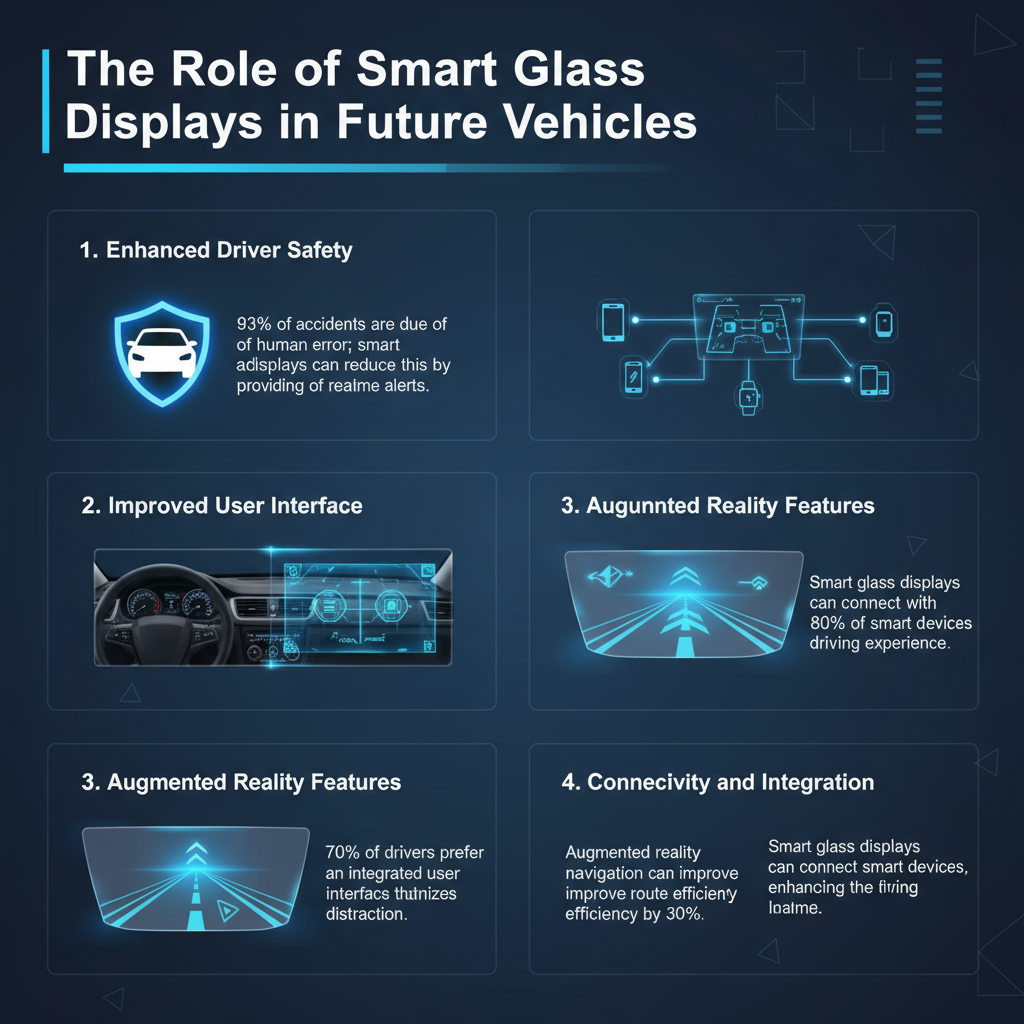
Moreover, the adaptive transparency feature of smart glass displays can switch between clear visibility and augmented reality overlays. For instance, a driver might choose a transparent view for optimal visibility during the day and switch to an augmented reality mode at night, where essential data like speed, navigation routes, and nearby obstacles are highlighted. This dynamic approach to display technology enhances situational awareness and contributes to safer driving conditions.
Improved User Interface
The interface of our vehicles is evolving, and smart glass displays are at the forefront of this change. Touch-sensitive smart glass can replace traditional buttons and knobs, providing a sleek and modern aesthetic that complements the interior design of future vehicles. Imagine a dashboard that is entirely smooth and intuitive to interact with; drivers can simply tap or swipe on the glass to control various functions, creating an immersive experience that feels natural.
In addition, personalized user profiles can be integrated into smart glass displays, allowing for a customized driving experience. For example, when a driver enters the vehicle, the display can recognize their profile through a simple touch or voice command, adjusting seat positions, climate control, and entertainment options according to their preferences. This level of personalization not only enhances comfort but also fosters a deeper connection between driver and vehicle.
Augmented Reality Features
One of the most exciting innovations in smart glass technology is the incorporation of augmented reality features. Imagine driving down the highway with navigation directions projected directly onto your windshield—a heads-up display that allows you to keep your eyes on the road while receiving essential guidance. This technology helps reduce the need to look away from the road, making driving safer and more effortless.
Additionally, smart glass displays can visually represent real-time diagnostics and vehicle performance data. For example, if the engine temperature rises or tire pressure drops, the display can highlight these alerts, allowing drivers to address potential issues proactively. This capability not only enhances safety but also extends the life of the vehicle by encouraging timely maintenance.
Connectivity and Integration
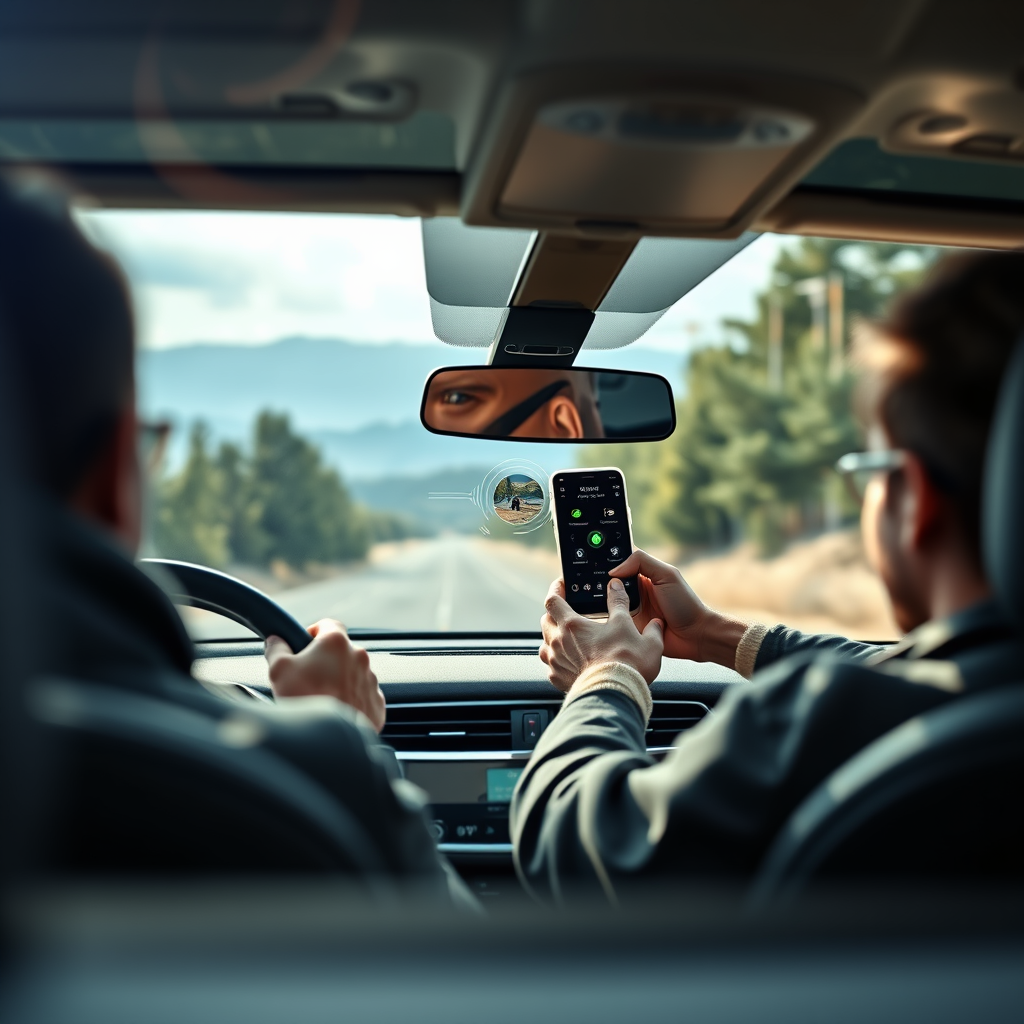
In our increasingly connected world, the integration of smart glass displays with smartphones and other devices is crucial. These displays can seamlessly connect with various applications, allowing drivers to access their favorite music, navigation apps, and important notifications without hassle. For instance, imagine picking up a call through your smart glass display while driving—thanks to Bluetooth connectivity, you can answer hands-free, ensuring you stay focused on the road.
Voice-activated controls further enhance user interaction, allowing drivers to access information and manage functions without taking their hands off the wheel. This feature is particularly valuable for busy individuals who might be juggling multiple tasks while on the go. By simply saying a command, drivers can adjust settings, navigate to destinations, or even search for nearby restaurants—all while maintaining focus on driving.
Sustainability and Energy Efficiency
As the automotive industry becomes increasingly aware of its environmental impact, smart glass technology offers promising solutions for sustainability and energy efficiency. For instance, innovative smart glass can adjust its tint based on sunlight exposure, reducing the need for air conditioning and improving energy savings. This feature not only enhances comfort but also contributes to reduced fuel consumption in vehicles.
Moreover, the materials used in smart glass displays can be sourced sustainably, aligning with the industry’s push towards eco-friendliness. For example, manufacturers can use recycled materials or develop processes that minimize waste during production. By adopting sustainable practices, the automotive industry can reduce its carbon footprint while delivering advanced technology to consumers.
Future Developments and Trends
The future of smart glass technology is bright, with ongoing advancements that promise to enhance both functionality and user experience. Technologies such as OLED (Organic Light Emitting Diodes) and microLED are set to improve color accuracy and energy efficiency, making displays more vibrant and responsive. These advancements will ensure that smart glass displays remain at the cutting edge of automotive technology.
Looking ahead, the evolution of smart glass may also include features like biometric sensors for driver monitoring. By analyzing factors such as fatigue levels or heart rate, these sensors can provide alerts or even adjust vehicle settings to ensure a safer driving experience. Enhanced security measures, such as facial recognition, could also be integrated, allowing only authorized individuals to operate the vehicle—a significant advancement in vehicle safety.
The future of vehicles is bright with the integration of smart glass displays, promising a safer, more connected, and energy-efficient driving experience. As technology continues to evolve, staying informed about these advancements will be crucial for both consumers and industry professionals. Embrace the future of driving by exploring smart glass technology and its potential impacts on your next vehicle purchase. With these innovations, we are not just driving; we are engaging in a smarter, more connected way of traveling.
Frequently Asked Questions
What are smart glass displays and how are they used in future vehicles?
Smart glass displays, also known as electrochromic glass, are innovative technologies that can change their transparency or opacity in response to electrical stimuli. In future vehicles, these displays can be used for various applications, including windshield displays that provide augmented reality navigation, privacy glass that can tint to shield passengers from outside view, and interactive dashboards that enhance user experience by displaying vital information in real-time.
How do smart glass displays improve safety in vehicles?
Smart glass displays enhance safety in vehicles by providing critical information directly on the windshield, allowing drivers to keep their eyes on the road. By integrating augmented reality (AR) features, these displays can highlight obstacles, provide navigation cues, and even display speed limits, reducing distractions and the need for drivers to look away from the road. Additionally, the ability to adjust tinting can help reduce glare from sunlight or headlights, further improving visibility.
Why should automakers invest in smart glass technology for their vehicles?
Automakers should invest in smart glass technology as it offers significant advantages in terms of user experience, safety, and aesthetic appeal. By incorporating smart glass displays, vehicles can provide a more connected and interactive environment, which is increasingly expected by consumers. Furthermore, this technology can differentiate brands in a competitive market, appeal to tech-savvy buyers, and align with trends toward sustainable and energy-efficient designs.
Which types of vehicles are most likely to adopt smart glass displays in the future?
Smart glass displays are likely to be adopted in various types of vehicles, particularly luxury cars, electric vehicles (EVs), and autonomous vehicles. Luxury car manufacturers are already exploring smart glass for enhanced comfort and personalization, while EVs benefit from the energy efficiency of advanced materials. Autonomous vehicles, which prioritize user experience and safety, will also leverage smart glass technology to provide seamless interaction and real-time data visualization for passengers.
What are the potential challenges of implementing smart glass displays in vehicles?
The implementation of smart glass displays in vehicles faces several challenges, including high production costs, durability concerns, and the need for regulatory approval. The technology must be robust enough to withstand varying environmental conditions and potential impacts from road debris. Additionally, manufacturers must ensure that the displays meet safety standards and do not distract drivers, which may require extensive testing and validation before widespread adoption can occur.
References
- Smart glass
- https://www.sciencedirect.com/science/article/pii/S2213138817308799
- https://www.nytimes.com/2021/01/13/business/smart-glass-vehicles.html
- https://www.bbc.com/future/article/20220418-the-future-of-car-displays
- https://www.technologyreview.com/2020/02/12/844079/smart-glass-vehicles/
- https://www.energy.gov/eere/vehicles/articles/advanced-displays-vehicles
- https://www.wired.com/story/smart-glass-cars/
- https://www.researchgate.net/publication/319123456_Smart_Glass_in_Automotive_Applications
- Automated Vehicle Safety | NHTSA