
When deciding between used and new audio equipment, the best choice often depends on your budget, specific needs, and experience level. New equipment typically offers the latest technology and warranties, while used gear can provide significant savings without sacrificing quality. In this article, we’ll compare the advantages and disadvantages of each option to help you make an informed decision.
Understanding Your Budget
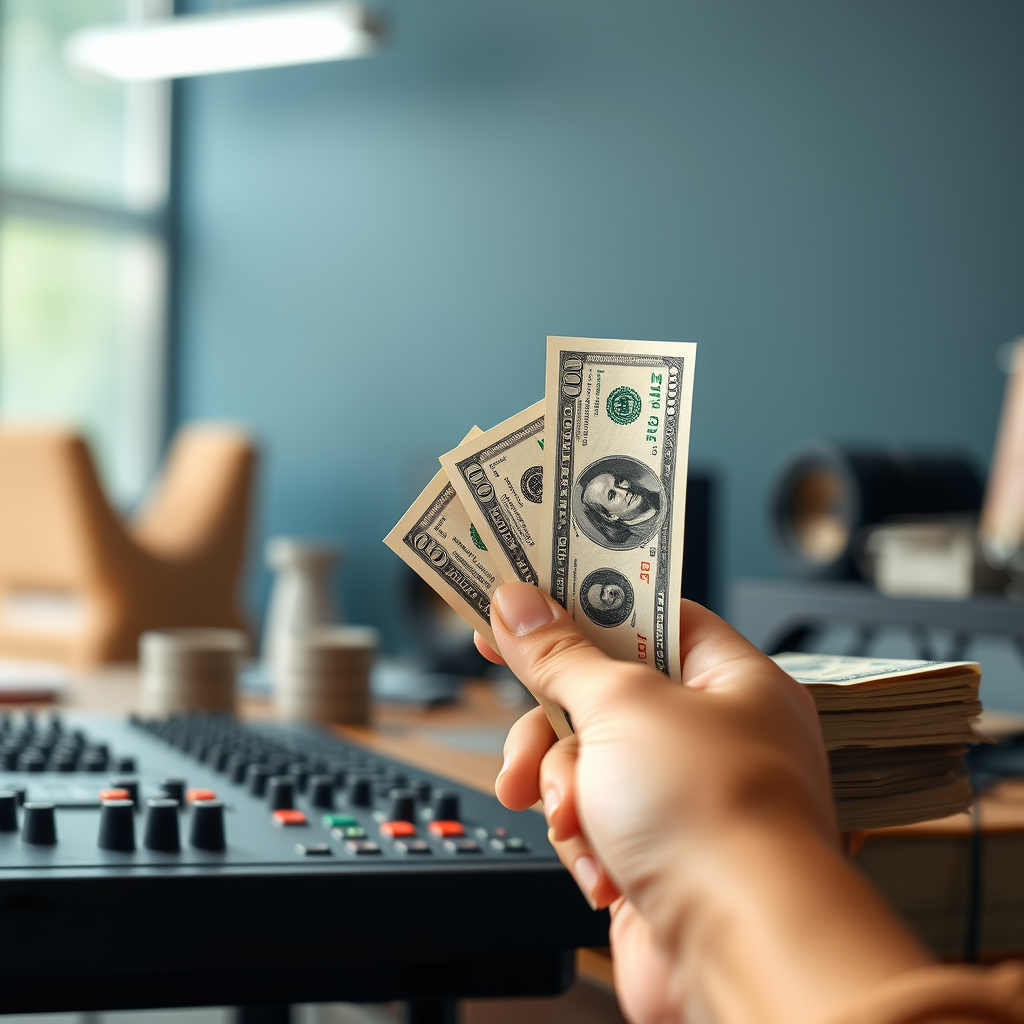
Budget is often the first consideration when purchasing audio equipment. New audio equipment usually comes with a higher price tag, reflecting the latest features and technology that manufacturers have to offer. For instance, a brand-new set of studio monitors may feature advanced connectivity options, improved sound processing, and sleek designs that enhance usability. However, if you’re working with a tight budget, used equipment can provide substantial savings. For example, a top-tier audio interface bought second-hand can allow you to invest more in quality speakers or headphones, enhancing your overall listening experience without breaking the bank.
Additionally, when considering your budget, think about the total cost of ownership. New equipment might require you to stretch your budget initially, but it could save you money in the long run due to energy efficiency and durability. On the other hand, while used gear can be affordable, it may require maintenance or repairs, which could add up over time.
Evaluating Quality and Performance
When it comes to quality and performance, new gear often guarantees superior performance due to advancements in technology. For example, the latest headphones may incorporate innovations like noise-canceling technology or improved driver designs that enhance sound quality. Many audiophiles swear by the clarity and richness of sound produced by the newest models, making a compelling case for investing in new equipment.
However, it’s essential not to overlook the potential of used equipment. Many used audio devices can still deliver excellent performance, especially if sourced from reputable sellers or are from a high-quality brand. Vintage gear, like classic analog synthesizers or iconic microphones, can provide unique sonic qualities that new products may not replicate. For instance, a carefully maintained used Neumann U87 microphone can be a prized possession for recording engineers, even if it’s decades old. The key is to do your research—look for reviews, and assess the condition of used equipment before making a purchase.
Warranty and Support Considerations
One of the significant advantages of buying new audio equipment is the warranty and support that typically comes with it. New products often come with manufacturer warranties, offering peace of mind and protection against defects or issues. This can be particularly important for more expensive items, such as audio mixers or high-end studio monitors. For instance, if you purchase a new audio interface with a three-year warranty, you can feel secure knowing that any manufacturing defects will be covered.
Conversely, used equipment may lack warranties or support, which means you might have to take on more risk. If a second-hand microphone stops working after a month, there’s a good chance you’ll be out of luck unless the seller offers some sort of guarantee. To mitigate this risk, consider purchasing from reputable platforms that offer return policies or buyer protection, or seek out gear from trusted local sellers who can provide a bit of assurance regarding their products.
Assessing Availability and Variety
The availability and variety of audio equipment can significantly impact your decision. New gear often has a wider range of options and the latest models, giving you more choices tailored to your specific needs. If you’re looking for a particular feature—like Bluetooth connectivity or USB-C compatibility—shopping for new equipment may be the way to go.
However, the used market can offer unique, vintage, or discontinued models that might not be available new. Searching through local classifieds or online marketplaces can lead you to hidden gems—like a classic pair of JBL 4311 studio monitors that provide a nostalgic, warm sound quality not found in many new products today. Moreover, if you’re an audiophile looking for specific characteristics in sound, exploring the used market can lead to discoveries that can enhance your collection or setup.
Understanding Resale Value
Understanding resale value is crucial for anyone considering their audio equipment investment. New audio equipment depreciates quickly, often losing a significant portion of its value as soon as you take it out of the box. For example, a brand-new set of headphones might lose 20-30% of its value within the first year, making it challenging to recoup your investment if you decide to sell later.
On the other hand, high-quality used gear can retain its value better, making it a smart investment if you plan to upgrade later. Rare models or equipment from reputable brands can sometimes even appreciate over time. For instance, some vintage guitars or microphones are now sought after by collectors and can fetch high prices. If you carefully choose used equipment, you may find that it not only meets your needs but also holds its value better than new alternatives.
Making the Right Choice for Your Needs
Ultimately, making the right choice between used and new audio equipment will depend on your specific audio needs. Are you a beginner just starting out, or are you a seasoned audiophile looking to upgrade your setup? Understanding your level of expertise and intended use is essential. If you’re just getting into audio production, investing in high-quality used gear may be a cost-effective way to learn, whereas professionals may prefer the reliability of new gear for critical projects.
Additionally, consider your intended use: whether for casual listening, professional recording, or live performances. Each scenario may call for different equipment types and features. For example, a DJ might prioritize portable, durable equipment that can withstand the rigors of transport, while a home studio owner may lean towards high-fidelity monitors for precise mixing.
In conclusion, the decision between used and new audio equipment ultimately hinges on your budget, quality expectations, and personal preferences. Weighing the pros and cons of each option is essential in finding what best suits your needs. Don’t hesitate to explore both markets—take your time researching, testing, and listening to various options. With thoughtful consideration, you can find the perfect audio gear that aligns with your passion for sound. Happy shopping!
Frequently Asked Questions
What are the key advantages of buying new audio equipment over used options?
New audio equipment typically comes with the latest technology, features, and warranties, ensuring you receive the best sound quality and reliability. Additionally, purchasing new gear means you can expect zero wear and tear, ensuring optimal performance straight out of the box. For audiophiles and professionals, the assurance that new equipment meets all current standards can justify the higher price.
How can I assess the condition of used audio equipment before purchasing?
When considering used audio equipment, it’s vital to check for physical damage, such as scratches, dents, or signs of wear. Ask the seller for detailed descriptions and photographs, and if possible, test the equipment before buying. Additionally, researching the product’s history, such as how long it was used and its maintenance records, can provide insights into its overall condition and longevity.
Why is used audio equipment often more cost-effective than new gear?
Used audio equipment is generally more affordable because it has already depreciated in value, allowing buyers to access higher-end models that might be out of reach when new. This cost-effectiveness can be particularly appealing for beginners or hobbyists who may not require the latest features. Moreover, many used items still offer excellent performance, making them a smart choice for those on a budget.
What factors should I consider when deciding between new and used audio equipment?
When choosing between new and used audio equipment, consider your budget, the level of technology you require, your experience with audio gear, and how often you plan to use it. If you prioritize cutting-edge features and reliability, new gear may be worth the investment. However, if you’re looking for value and can find well-maintained used options, that could be a more economical choice without sacrificing sound quality.
Which types of audio equipment are safer to buy used, and which should I buy new?
Generally, items like microphones, speakers, and headphones can be safely purchased used, especially if they have been well-cared for and tested. Conversely, items with complex electronics, such as mixers or audio interfaces, are often better bought new, as they come with warranties and you can be certain about their functionality. Always research each specific type of equipment to gauge its reliability and performance when used.
References
- Audio equipment
- https://www.npr.org/sections/monkeysee/2018/06/27/623666815/how-to-choose-the-best-audio-equipment
- https://www.theguardian.com/music/2020/oct/05/what-to-know-when-buying-audio-gear
- https://www.researchgate.net/publication/329489874_Audio_Equipment_Comparison_Study
- https://www.sony.com/electronics/support/articles/00030454
- https://www.wired.com/story/guide-buying-used-gear/
- https://www.angelfire.com/mb2/audioequips/used_vs_new.html

2 Comments