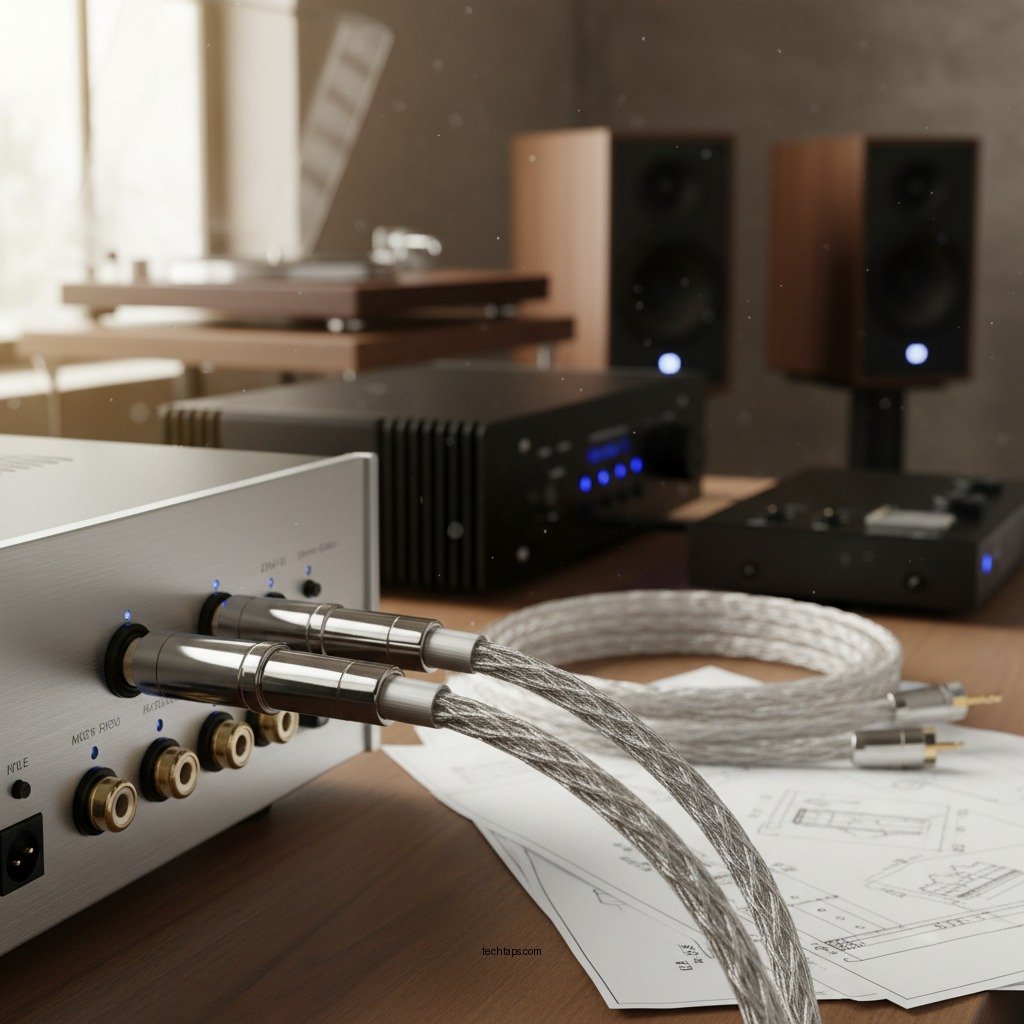

Choosing high-end audio cables is crucial for achieving optimal audio performance in your sound system. The right cables can make a significant difference in the clarity and richness of sound, enhancing your overall listening experience. To make the best selection, consider factors such as cable type, material quality, and compatibility with your equipment. This guide will help you navigate the essential criteria for selecting audio cables that will elevate your sound performance.
Understanding Cable Types
When it comes to audio cables, understanding the different types available is fundamental.
– Interconnects vs. Speaker Cables: Interconnect cables are designed to link audio components, such as connecting a CD player to an amplifier. They usually come in RCA, XLR, or TRS configurations. Speaker cables, on the other hand, connect the amplifier to the speakers, transferring the amplified signals. The distinction is essential because each type has unique requirements regarding gauge and shielding.
– Digital vs. Analog: Digital cables, such as optical and coaxial, carry signals in a binary format, making them suitable for digital sources like DVD players or computers. Analog cables, like RCA and XLR, transmit signals in a continuous form and are typically used for traditional audio components. Understanding whether your audio setup is predominantly digital or analog will guide you toward the correct cable type.
Material Matters
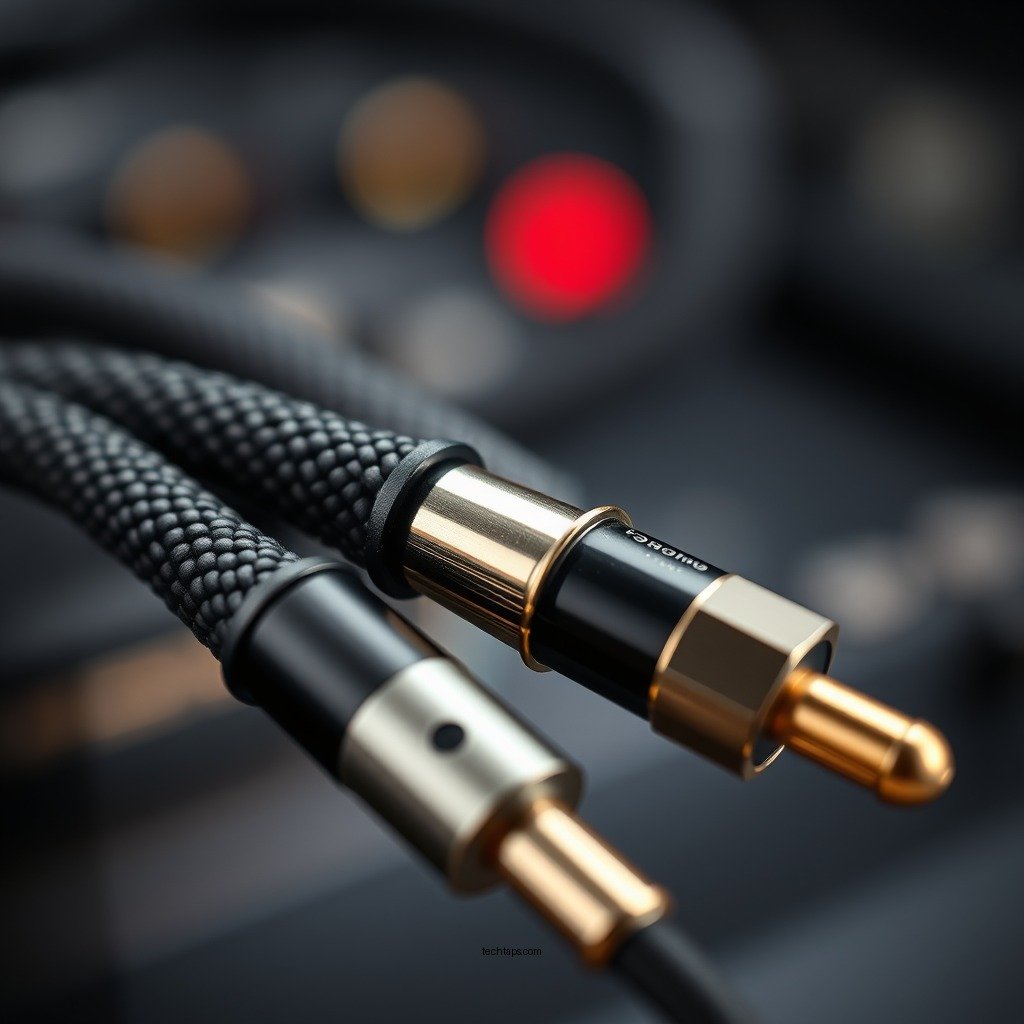
The quality of materials used in audio cables significantly affects performance.
– Conductor Materials: The most common materials for conductors are copper and silver. While copper is widely used due to its excellent conductivity and affordability, silver provides superior conductivity and lower resistance. However, it comes at a higher cost. For audiophiles seeking the best performance, silver conductors may be worth the investment, especially in high-end systems.
– Insulation Quality: The insulation around cables also plays a crucial role in performance. High-quality insulation materials, such as polyethylene or Teflon, help reduce interference and prevent signal degradation. This is particularly important in environments with a lot of electromagnetic interference (EMI), where poor insulation could lead to noise and distortion in the audio signal.
Cable Length Considerations
The length of your audio cables can have a profound impact on signal quality.
– Impact on Signal Quality: Longer cables can lead to a loss of signal integrity, particularly with analog signals. This degradation occurs due to factors like capacitance and resistance, which increase with cable length. To maintain optimal sound quality, aim to use the shortest length necessary for your setup.
– Practical Lengths: Consider your room layout and speaker placement when determining the optimal lengths for your cables. Measure the distances between your components accurately and opt for cables that minimize excess length while maintaining ease of setup.
Comparison of High-End Audio Cables (2024)
| # | Cable Type | Material | Length (ft) | Price ($) | Rating |
|---|---|---|---|---|---|
| 1 | AudioQuest Rocket 88 | Copper | 8 | 300 | ★★★★☆ |
| 2 | Nordost Blue Heaven | Silver | 6 | 400 | ★★★★★ |
| 3 | Kimber Kable 8PR | Copper | 10 | 350 | ★★★★☆ |
| 4 | Mogami Gold | Copper | 15 | 250 | ★★★★☆ |
| 5 | Analysis Plus Oval 9 | Copper | 12 | 450 | ★★★★★ |
| 6 | Cardas Crosslink | Copper | 5 | 290 | ★★★★☆ |
| 7 | Wireworld Oasis 8 | Copper | 10 | 380 | ★★★★★ |
Shielding and Interference
Audio signals are susceptible to various forms of interference, making shielding an important consideration.
– Types of Shielding: There are several types of shielding available, including foil, braided, and combination shields. Foil shielding offers good protection against high-frequency interference, while braided shielding is effective against lower frequencies. A combination shield provides the best of both worlds, ensuring that your audio signal remains clean and unblemished.
– Placement Strategies: To minimize interference, keep audio cables away from power cables and other sources of electromagnetic interference. This is particularly important in home theatre setups where various electronic devices are closely packed together. Utilizing cable management strategies can help keep your audio cables organized and protected from potential interference.
Compatibility with Equipment
Ensuring compatibility between audio cables and your equipment is key to achieving optimal performance.
– Connector Types: Audio cables come with various connector types, including RCA, XLR, and HDMI. It’s essential to ensure that the connectors on your cables are compatible with the ports on your components. For example, XLR connectors are typically used in professional audio equipment, while RCA connectors are more common in consumer audio devices.
– Impedance Matching: Impedance matching is another critical factor. Using cables that match the impedance of your components can greatly enhance performance. Mismatched impedance can lead to signal loss, reduced sound quality, and even potential damage to equipment. Always check the specifications of your devices to ensure compatibility with the cables you choose.
Budgeting for Quality
When selecting high-end audio cables, it’s important to balance quality with budget constraints.
– Cost vs. Performance: While it may be tempting to choose the most expensive options, higher price doesn’t always equate to better quality. Assess the value of different cables based on your specific audio needs. Sometimes, moderately priced cables can provide excellent performance without breaking the bank.
– Finding the Right Balance: Set a budget that allows for quality cables without overspending. Research brands and customer reviews to find options that offer the best performance for your investment. Remember that the right cables can last for many years, making them a worthwhile investment in your sound system.
Testing and Listening
Ultimately, the best way to determine the right audio cables for your setup is through testing.
– A/B Testing: Conduct A/B testing with different cables in your sound system to directly compare their performance. Listening to familiar tracks can help you discern subtle differences that may influence your choice. Pay attention to clarity, warmth, and overall soundstage.
– Personal Preference: Trusting your ears is crucial. Each listener may have unique preferences based on their music styles and listening environments. The best cable for one person may not be the best for another. Ultimately, the choice comes down to what sounds best to you in your unique setup.
Summarizing the essential criteria for choosing high-end audio cables will enhance your audio experience significantly. By considering cable types, materials, length, shielding, compatibility, budget, and actual listening tests, you can make informed choices that will elevate your sound system. Take the next step and evaluate your current cables or invest in new ones to truly optimize your audio performance.
Frequently Asked Questions
What should I look for in high-end audio cables to ensure optimal performance?
When choosing high-end audio cables, focus on materials such as oxygen-free copper or silver for better conductivity. Additionally, consider the cable’s shielding to prevent interference, connectors that provide a secure fit, and the overall build quality to ensure durability and minimal signal loss.
How do I determine the right length of audio cables for my setup?
The right length of audio cables depends on your specific setup and distance between components. Aim for a length that prevents strain on the connectors while minimizing excess slack, as longer cables can introduce signal degradation. Generally, keeping cables as short as possible while still meeting your needs is ideal for maintaining audio quality.
Why are high-end audio cables worth the investment?
High-end audio cables are designed to enhance sound quality by reducing distortion and interference, which can significantly improve your listening experience. While they may come at a higher price, the benefits include better detail, clarity, and overall performance in your audio system, making them a worthwhile investment for audiophiles.
Which types of high-end audio cables are best for connecting my speakers to an amplifier?
For connecting speakers to an amplifier, high-quality speaker wire is essential, with options like 12 or 14-gauge oxygen-free copper wire being among the best choices. Additionally, look for cables with good insulation and low resistance to ensure efficient power transfer and minimal signal loss, ultimately leading to better sound quality.
What is the impact of cable shielding on audio performance?
Cable shielding plays a critical role in protecting your audio signal from electromagnetic interference (EMI) and radio frequency interference (RFI). Using well-shielded high-end audio cables helps maintain a clean signal, which is crucial for achieving optimal sound quality in your audio system, especially in environments with numerous electronic devices.
References
- Audio and video interfaces and connectors
https://en.wikipedia.org/wiki/Audio_cable - https://www.sciencedirect.com/topics/engineering/audio-cable
https://www.sciencedirect.com/topics/engineering/audio-cable - https://www.britannica.com/technology/audio-cable
https://www.britannica.com/technology/audio-cable - Google Scholar Google Scholar
https://scholar.google.com/scholar?q=high-end+audio+cables - Google Scholar Google Scholar
https://scholar.google.com/scholar?q=audio+cables+performance - https://pubmed.ncbi.nlm.nih.gov/
https://pubmed.ncbi.nlm.nih.gov/ - https://www.nature.com/articles/
https://www.nature.com/articles/ - https://www.americanradiohistory.com/Archive-High-Fidelity/
https://www.americanradiohistory.com/Archive-High-Fidelity/ - https://www.theguardian.com/music/2020/dec/10/what-does-good-sound-mean
https://www.theguardian.com/music/2020/dec/10/what-does-good-sound-mean - https://www.ncbi.nlm.nih.gov/pmc/articles/PMC6295201/
https://www.ncbi.nlm.nih.gov/pmc/articles/PMC6295201/