

To build a home theater with 3D sound technology, focus on selecting the right equipment, optimizing your layout, and designing a sound environment that immerses you in audio like never before. This guide will walk you through choosing the best components, arranging your space for superior sound quality, and setting up an experience that rivals a professional theater.
Selecting the Right Equipment
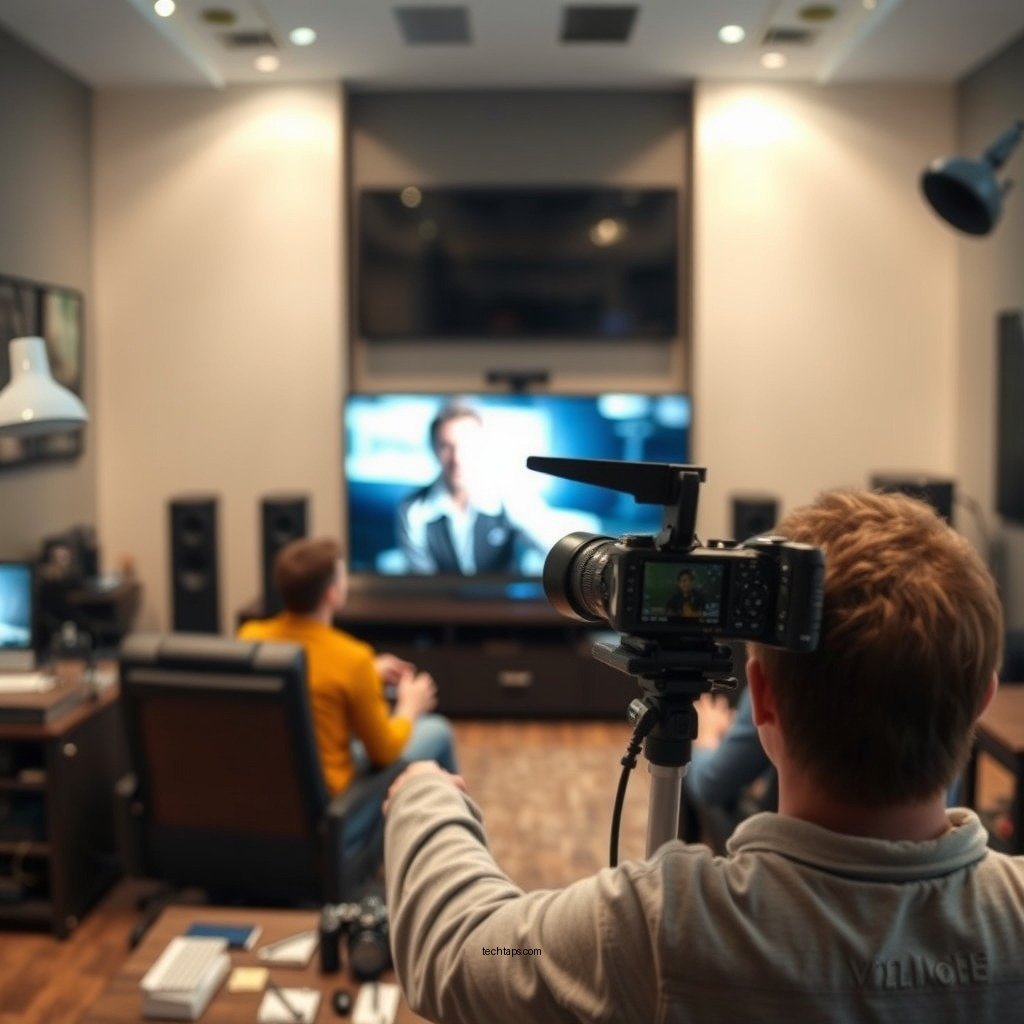
The heart of any home theater is its audio and video equipment. To create an immersive experience with 3D sound technology, start with a high-quality AV receiver that supports advanced audio formats such as Dolby Atmos or DTS:X. These formats allow sound to move in three-dimensional space, providing a more realistic and engaging listening experience.
When it comes to speakers, consider investing in those specifically designed for 3D sound. This may include ceiling-mounted speakers, which can deliver overhead sound effects, or upward-firing speakers that bounce sound off the ceiling to create a multi-dimensional audio experience. A typical setup might include a 5.1.2 configuration, which consists of five traditional speakers, one subwoofer, and two overhead or upward-firing speakers. This setup enables you to capture the full effect of 3D sound technology.
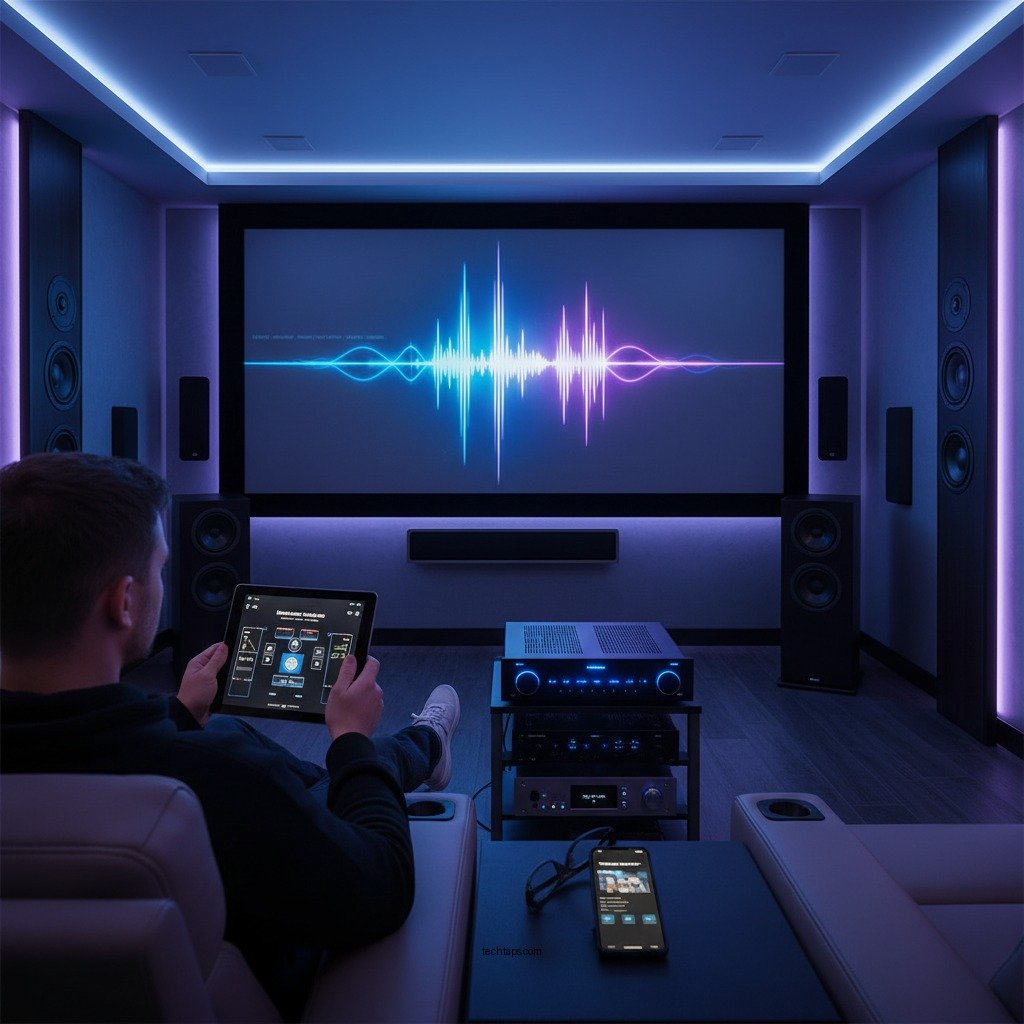
Designing Your Home Theater Space
Creating the perfect home theater environment involves careful planning of your room layout. First, assess the dimensions of your space to determine how to best position your speakers for optimal sound distribution. Ideally, place your main speakers at ear level when seated, while ensuring that your overhead speakers are positioned correctly to maximize the 3D sound effect.
It’s also crucial to consider the distance between your speakers and seating area. A general rule of thumb is to place your front speakers about 7 to 10 feet apart and ensure that your seating is positioned at a distance of about 1.5 to 2.5 times the diagonal screen size.
To enhance audio clarity and minimize outside noise, soundproofing measures are essential. This can involve adding sound-absorbing materials like acoustic panels on walls, carpets on floors, and heavy curtains on windows. These elements not only improve sound quality but also contribute to a more comfortable viewing experience.
Setting Up the 3D Sound System
Once your equipment is selected and your space is designed, it’s time to set up your 3D sound system. Following the manufacturer’s guidelines for speaker placement is essential to achieving the best audio performance. Many AV receivers also come equipped with automatic calibration systems that adjust speaker levels and distances based on your room’s acoustics.
For fine-tuning your audio experience, a sound meter can be an invaluable tool. This device allows you to measure sound levels in different parts of the room, ensuring that sound is balanced and evenly distributed. Adjust the levels of each speaker as needed, paying particular attention to the subwoofer, which is critical for providing depth to the audio experience.
Top Home Theater Receivers for 3D Sound (2024)
| # | Receiver Model | Supported Formats | Channels | Price |
|---|---|---|---|---|
| 1 | Denon AVR-X3700H | Dolby Atmos, DTS:X | 9.2 | $1,199 |
| 2 | Yamaha RX-A1080 | Dolby Atmos, DTS:X | 7.2 | $899 |
| 3 | Onkyo TX-RZ840 | Dolby Atmos, DTS:X | 9.2 | $1,099 |
| 4 | Sony STR-DN1080 | Dolby Atmos, DTS:X | 7.2 | $599 |
| 5 | Pioneer VSX-LX504 | Dolby Atmos, DTS:X | 9.2 | $1,499 |
| 6 | Marantz SR6015 | Dolby Atmos, DTS:X | 9.2 | $1,799 |
| 7 | NAD T 758 V3 | Dolby Atmos, DTS:X | 7.1 | $1,299 |
Integrating Visual Components
A truly immersive home theater experience requires a powerful visual setup to complement your 3D sound system. Pair your audio setup with a high-definition projector or a large-screen television that can display 4K resolution or higher for maximum clarity. When selecting your screen size, consider the viewing distance to ensure an optimal experience; typically, the screen should measure about one-third the distance from the seating area.
In addition, integrating smart technology can enhance your home theater experience. Smart home systems allow for seamless control over both audio and video components, enabling you to adjust settings with ease. Consider devices that support voice control and automation, such as smart assistants or universal remotes that can manage multiple devices simultaneously.
Testing and Fine-tuning the Experience
After setting up your home theater, it’s essential to conduct sound tests with various audio formats to evaluate your 3D sound capabilities. Use content specifically designed for Dolby Atmos or DTS:X to accurately assess how well your system performs. Pay attention to how sound moves around the room and whether it creates a genuinely immersive experience.
Make adjustments based on your listening preferences and room acoustics. You may find that certain frequencies need enhancement, or that the subwoofer could benefit from repositioning. Regularly testing and fine-tuning your system will ensure that you maintain the highest audio quality over time.
Adding Extra Features
To take your home theater experience to the next level, consider adding extra features that enhance both sound and ambiance. Acoustic panels can be strategically placed to reduce echo and improve overall sound quality. Additionally, incorporating subwoofers designed for deep bass can create a more impactful audio experience, particularly for action films or music.
Smart lighting solutions can also complement your viewing experience. Dimmable lights or smart bulbs that change color can create an immersive ambiance that adjusts with the mood of the content you are watching. This integration of audio, visual, and environmental components will elevate your home theater to new heights.
Building a home theater with 3D sound technology involves a combination of selecting the right equipment, designing an optimal space, and fine-tuning the audio experience. By following these steps, you can transform your living room into an immersive theater that rivals any commercial cinema. Start your home theater project today and enjoy your favorite movies and shows with an extraordinary audio experience that brings them to life.
Frequently Asked Questions
What equipment do I need to create a home theater with 3D sound technology?
To build a home theater with 3D sound technology, you’ll need a high-quality AV receiver that supports formats like Dolby Atmos or DTS:X, compatible speakers (including overhead or upward-firing models for immersive sound), a 4K projector or UHD TV, and a Blu-ray player or streaming device that can deliver 3D audio content. Additionally, soundproofing materials and proper speaker placement are essential for maximizing the audio experience.
How can I optimize the acoustics in my home theater for 3D sound?
Optimizing acoustics in your home theater involves using sound-absorbing materials like acoustic panels, carpets, and heavy curtains to reduce echo and reverberation. Additionally, strategically placing your speakers according to the layout of your room and ensuring that they are at ear level can enhance the clarity and spatial effects of 3D sound technology, providing a more immersive experience.
Why is 3D sound technology important for a home theater experience?
3D sound technology is crucial for a home theater as it creates a more immersive audio environment that allows sound to come from all directions, simulating real-life sounds. This enhances the overall cinematic experience, making you feel as though you’re part of the movie. By utilizing formats like Dolby Atmos, you can enjoy a richer soundstage that significantly improves your viewing experience.
What is the best layout for a home theater designed for 3D sound?
The best layout for a home theater focused on 3D sound typically includes a symmetrical arrangement with the main seating area positioned at a distance that allows for optimal speaker placement. Ideally, you should have front, surround, and overhead speakers positioned to create an immersive sound bubble around the viewer. A common setup includes a center speaker below the screen, left and right front speakers at ear level, surround speakers slightly above ear level, and overhead speakers for height effects.
Which formats should I look for in content to fully utilize my 3D sound setup?
To fully utilize your 3D sound setup, look for content that supports advanced audio formats such as Dolby Atmos, DTS:X, and Auro-3D. Streaming services like Netflix, Amazon Prime Video, and Disney+ often feature movies and shows with 3D sound technology. Additionally, physical media like Blu-ray discs that advertise these formats will ensure you can experience the full capabilities of your home theater system.
References
- Home cinema
https://en.wikipedia.org/wiki/Home_theater - https://www.sciencedirect.com/topics/engineering/home-theater
https://www.sciencedirect.com/topics/engineering/home-theater - https://www.britannica.com/technology/home-theater
https://www.britannica.com/technology/home-theater - https://pubmed.ncbi.nlm.nih.gov/
https://pubmed.ncbi.nlm.nih.gov/ - Nature
https://www.nature.com/ - Google Scholar Google Scholar
https://scholar.google.com/scholar?q=home+theater+3D+sound - Google Scholar Google Scholar
https://scholar.google.com/scholar?q=3D+sound+technology+home+theater - Google Scholar Google Scholar
https://scholar.google.com/scholar?q=home+theater+design+3D+audio - Centers for Disease Control and Prevention | CDC
https://www.cdc.gov/ - World Health Organization (WHO)
https://www.who.int/
