

Understanding the psychology of color is essential for crafting effective display designs that resonate with users. Colors evoke specific emotions and significantly influence user behavior, making it vital to choose your palette thoughtfully. By learning how different colors affect perceptions and decision-making, you can create designs that engage your audience and enhance their overall experience.
The Basics of Color Psychology

Color psychology is the study of how colors impact human behavior and emotions. It plays a crucial role in display design, primarily because colors can evoke feelings that influence how users interact with content. For example, blue often conveys feelings of trust and calmness, making it a popular choice for financial institutions and healthcare websites. In contrast, red tends to evoke excitement and urgency, which is why it’s frequently used in sales promotions or alerts.
Understanding these associations allows designers to create atmospheres that not only capture attention but also drive the desired emotional response. Warm colors like orange and yellow can create a sense of friendliness and energy, while cooler colors such as green and purple can evoke tranquility and luxury, respectively. Whether you’re designing a website, an app, or a marketing display, recognizing the emotional power of color can significantly enhance user interaction.
The Role of Color in Branding
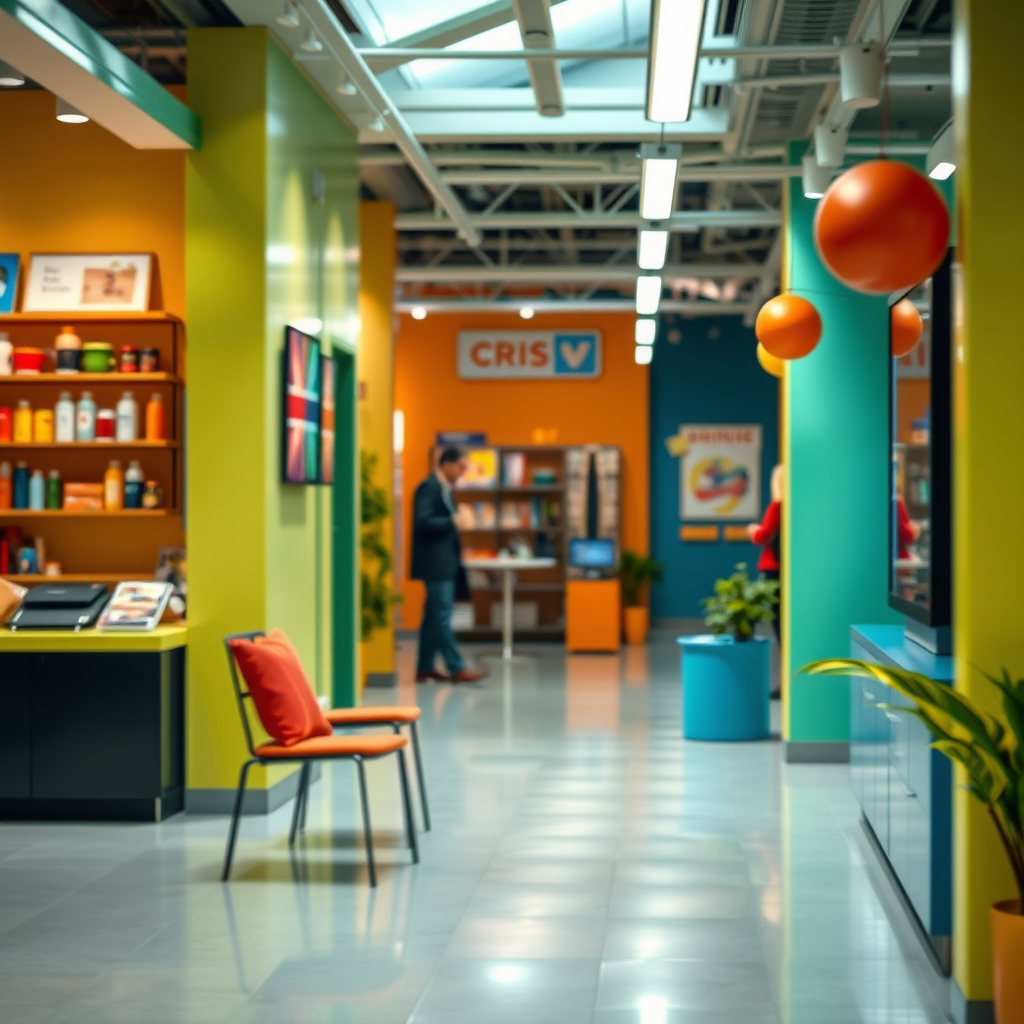
Color is a cornerstone of brand identity and recognition. Consistent color usage helps establish a brand’s personality and builds trust with consumers. For instance, brands like Coca-Cola and McDonald’s use red and yellow, colors that stimulate appetite and excitement, to create an inviting atmosphere. Green, on the other hand, is often associated with health and sustainability, which is why brands like Whole Foods and Starbucks prominently feature it in their logos and designs.
Moreover, colors can convey deeper meanings related to a brand’s values. For example, blue is frequently used in tech branding to signify reliability and innovation, while black can denote luxury and sophistication, as seen in brands like Chanel and Apple. By selecting colors that align with their core values, companies can create a stronger emotional connection with their audience, leading to improved customer loyalty and recognition.
Cultural Variations in Color Perception
Understanding cultural variations in color perception is especially crucial in today’s global market. Different cultures interpret colors in unique ways, which can lead to misunderstandings if not taken into account. For instance, while white is often associated with purity and peace in Western cultures, in many Eastern cultures, it symbolizes mourning and loss. Similarly, red can signify good fortune in China but may be viewed as a warning or danger in other regions.
Designers must be aware of these cultural nuances to avoid potential miscommunication and enhance user engagement. When creating displays for an international audience, consider conducting research on color meanings in different cultures. This understanding can help tailor designs that resonate positively across diverse markets, fostering a more inclusive and effective user experience.
Color Combinations and Contrast
Effective color combinations are essential for enhancing readability and visual appeal in display design. High contrast between text and background colors can significantly improve accessibility, ensuring that content is easy to read for all users, including those with visual impairments. For instance, a dark text on a light background is generally easier to read than light text on a dark background.
Moreover, harmonious color palettes can enhance the visual appeal of your design. Utilizing tools like Adobe Color or Coolors can help designers create color schemes that work well together. Experimenting with complementary colors—those that are opposite each other on the color wheel—can create dynamic and engaging visuals. Remember, poor color choices can lead to confusion and frustration, so always prioritize clarity and legibility when making your selections.
Emotional Responses to Color
Colors can trigger specific emotional responses that can be strategically leveraged in display design. For example, warm colors like red, orange, and yellow can evoke feelings of comfort, happiness, or urgency, prompting users to take action. This is why you often see red buttons for calls to action, as they stand out and stimulate immediate responses.
On the other hand, cooler colors like blue and green can create a sense of calm and trust. This makes them ideal for websites where users are expected to share sensitive information, such as banking sites or healthcare portals. By understanding these emotional triggers, designers can guide users towards desired actions, whether it’s signing up for a newsletter, making a purchase, or engaging further with the content.
Practical Applications in Display Design
Real-world case studies highlight the successful application of color psychology in web and app design. For instance, Airbnb uses warm, inviting colors to create a sense of comfort and adventure, appealing to their target audience’s desire for unique travel experiences. Similarly, Spotify employs a dark background with bright accent colors to promote a modern and energetic vibe, enhancing user engagement with their music catalog.
Moreover, several tools and resources are available for designers to experiment with color choices and assess their impact. Websites like Color Hunt and Paletton allow users to explore different color combinations and visualize how they work together. These tools can help you understand how color choices can affect user interaction and overall design effectiveness.
Testing and Iterating on Color Choices
To ensure that your color choices resonate with your audience, A/B testing is an invaluable strategy. By creating different versions of your design and measuring user engagement, you can determine which color schemes perform better. Gathering user feedback is also essential for refining your choices. Surveys or user interviews can provide insights into how people perceive your colors and whether they evoke the intended emotions.
Iterating based on data and feedback enables designers to align color choices with user preferences and behaviors. This process not only enhances the overall user experience but also helps in developing designs that truly resonate with your audience, ultimately driving better engagement and conversion rates.
Summarizing the insights from the psychology of color in display design emphasizes its significant impact on user interaction and perception. By understanding and applying these principles, you can create more effective and engaging designs. Consider experimenting with color choices in your next project and take the time to analyze their effects on user engagement and satisfaction. With thoughtful color selection, you can craft displays that not only attract attention but also build meaningful connections with your audience.
Frequently Asked Questions
What is the psychology of color in display design and why is it important?
The psychology of color in display design refers to the study of how colors influence human emotions, perceptions, and behaviors. It is crucial because the right color choices can enhance user experience, increase engagement, and drive conversions. Designers leverage color psychology to evoke specific feelings that align with a brand’s message, making it an essential component in creating effective visual communication.
How can I choose the right color palette for my website or application?
To choose the right color palette for your website or application, start by identifying your target audience and the emotions you want to evoke. Conduct competitor analysis to see color trends in your industry, and consider using tools like Adobe Color or Coolors to experiment with combinations. Aim for a harmonious palette that balances primary, secondary, and accent colors to ensure readability and visual appeal.
Why do certain colors evoke specific emotions in users?
Certain colors evoke specific emotions due to cultural associations and psychological responses. For instance, blue is often linked with trust and tranquility, while red can symbolize passion or urgency. These associations are influenced by personal experiences, societal norms, and even biological responses, making it essential for designers to understand color meanings when creating display designs.
What are the best practices for using color contrast in display design?
The best practices for using color contrast in display design include ensuring sufficient contrast between text and background colors to enhance readability. Use tools like the WebAIM Color Contrast Checker to evaluate your designs. Additionally, consider accessibility guidelines, such as the WCAG, to make your design inclusive for users with visual impairments, ensuring that all users can engage with your content effectively.
Which colors work best for call-to-action buttons in display design?
Colors that work best for call-to-action (CTA) buttons typically include vibrant and contrasting hues like green, orange, or blue, which stand out against the background. These colors are effective because they attract attention and convey a sense of urgency or positivity. Always test different colors with your audience to see which generates the highest engagement and conversion rates, as preferences can vary across demographics.
References
- Color psychology
- Color Psychology Effects & Meaning: Psychological Insights
- https://www.ncbi.nlm.nih.gov/pmc/articles/PMC6805301/
- https://www.psychologytoday.com/us/blog/the-science-color
- Frontiers | Cognitive Effects of Mindfulness Training: Results of a Pilot Study Based on a Theory…
- https://www.color.org/
- https://journals.sagepub.com/doi/full/10.1177/2158244016674633
- https://www.sciencedirect.com/science/article/pii/S2351978918301768
- https://www.huffpost.com/entry/the-psychology-of-color_b_5b5a1ca9e4b0cf7f8c1e0f0a