
With the integration of AI technology, slow-motion replays in precision sports are now more accurate and insightful than ever. This innovation allows athletes, coaches, and fans to analyze performances in unprecedented detail, leading to improved techniques and a better understanding of critical moments in a game. By leveraging advanced algorithms and machine learning, AI transforms the way we perceive and evaluate sports performances, making every second of action count. In this article, we’ll explore how AI transforms slow-motion replays and the benefits it brings to the sporting world.
Understanding Slow-Motion Replays
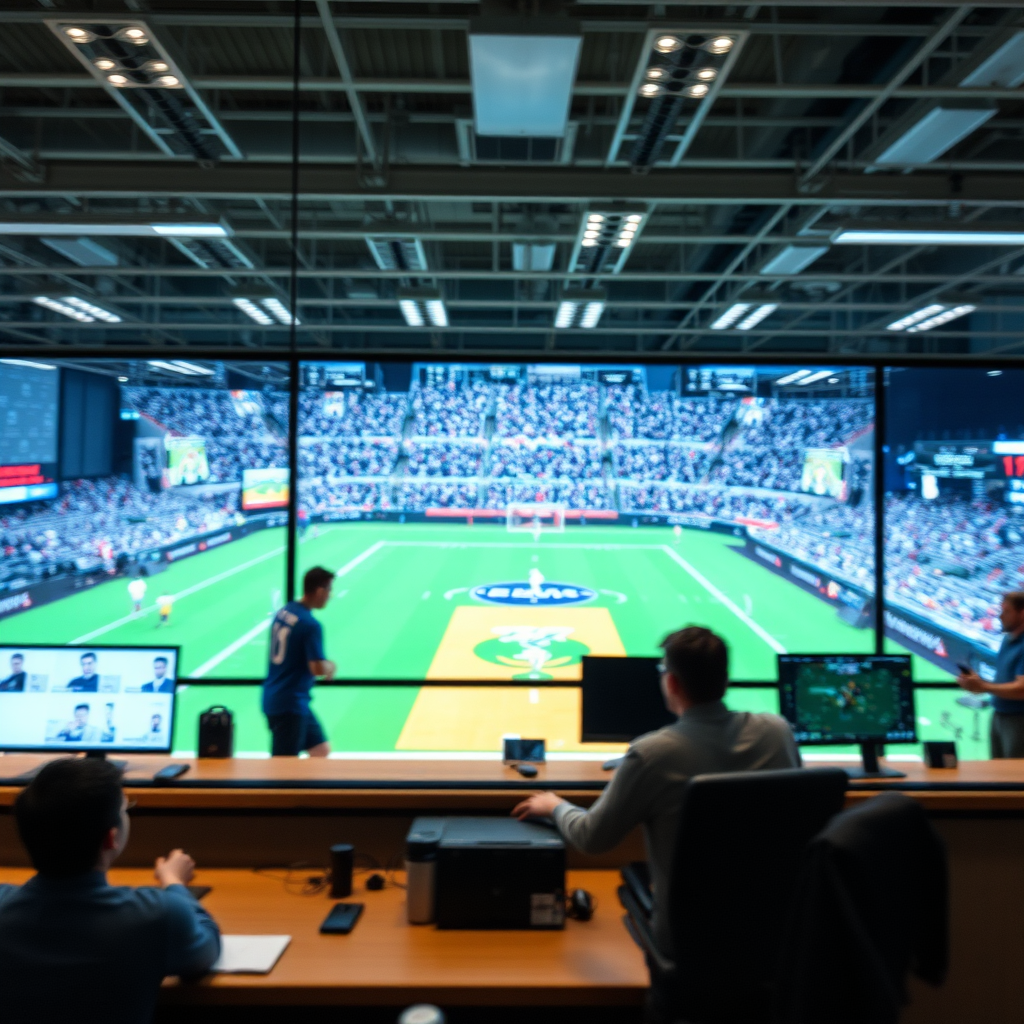
Slow-motion replays are a staple in the world of sports, particularly in precision-focused games such as basketball, soccer, and gymnastics. By capturing fast-paced actions at a fraction of their original speed, these replays allow viewers to appreciate the nuances of athletic performance that may be missed in real-time. For instance, in a high-speed soccer match, a slow-motion replay can reveal the exact positioning of a player’s foot as they strike the ball, showcasing their technique and timing. Similarly, in gymnastics, slow-motion footage can highlight the minute adjustments an athlete makes during a routine, providing insights into their skill and control.
Beyond just entertainment, slow-motion replays serve a critical role in analyzing techniques and strategies. Coaches and athletes can dissect each move, identifying strengths and areas for improvement. This detailed analysis is essential for refining skills, making necessary adjustments, and ultimately enhancing performance on the field or court.
The Role of AI in Enhancing Replays
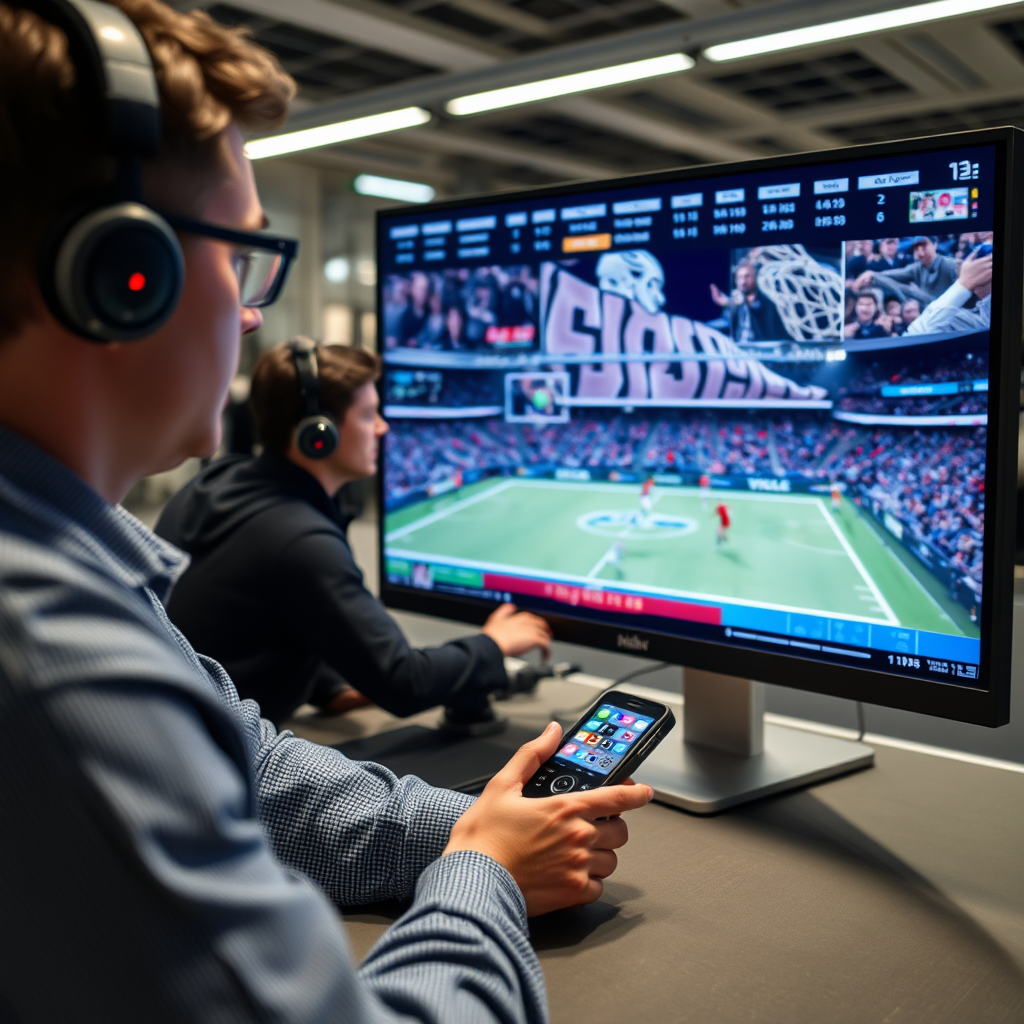
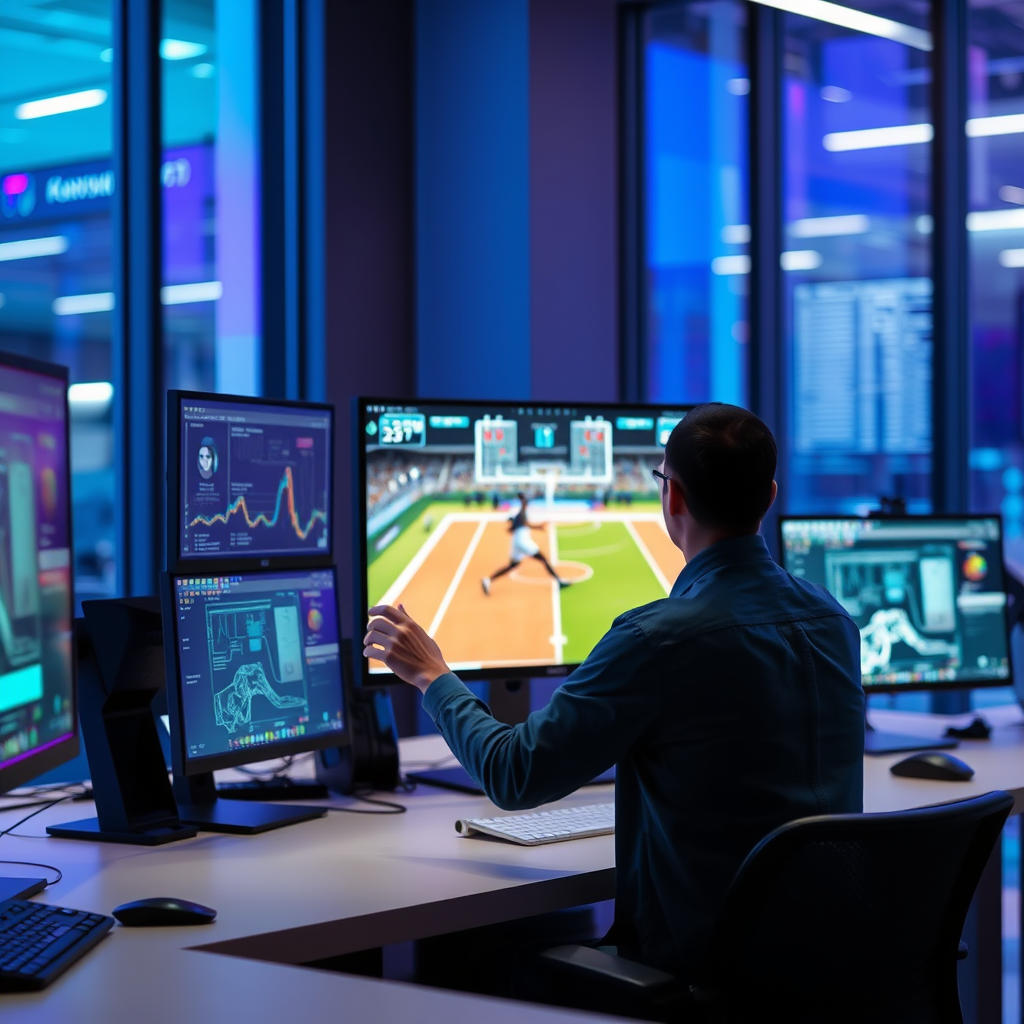
AI plays a transformative role in enhancing slow-motion replays, making them not only clearer but also more informative. Advanced AI algorithms can analyze video footage with remarkable precision, detecting minute details that human eyes may overlook. For example, AI can track the movement of a basketball player’s body parts during a jump shot, providing a comprehensive analysis of their biomechanics.
Moreover, machine learning models can identify patterns and anomalies in athletes’ performances over time. By analyzing vast amounts of data, AI can pinpoint what constitutes an optimal performance, allowing athletes to adjust their techniques accordingly. For instance, if an AI model notices a player consistently underperforming in certain conditions, it can suggest targeted drills to address those specific challenges. This data-driven approach not only enhances the quality of slow-motion replays but also elevates overall athletic performance.
Benefits for Athletes
The benefits of AI-enhanced slow-motion replays for athletes are profound. One of the most significant advantages is the enhanced feedback provided through detailed breakdowns of movements. Athletes can receive immediate visual feedback on their performance, allowing them to make quick adjustments and improvements. For example, a sprinter might analyze their starting technique in slow motion, evaluating their reaction time and stride length to enhance their speed.
Furthermore, data-driven insights from AI can help athletes refine their training regimens. With access to precise metrics and analytics, they can tailor their workouts to focus on specific areas where they need improvement. For instance, a gymnast might discover through AI analysis that their landing technique consistently results in deductions, prompting them to concentrate on balance and control in their training sessions. This personalized approach to training can lead to significant performance gains over time.
Advantages for Coaches
Coaches also stand to gain immensely from AI-enhanced slow-motion replays. Utilizing these advanced replays, coaches can strategize more effectively, ensuring that their game plans are based on comprehensive analysis rather than gut feeling. AI-powered analytics provide coaches with in-depth insights into their players’ performances, enabling them to make informed decisions during competitions.
For example, a basketball coach can use AI-enhanced footage to analyze opposing teams’ defensive strategies. By examining how players move and react in slow motion, the coach can devise counter-strategies that exploit the weaknesses revealed by the analysis. This level of strategic planning is invaluable in high-stakes games where every decision can impact the outcome.
Moreover, with AI analytics, coaches can track player development over time, assessing how athletes evolve in their skills and capabilities. This continuous feedback loop fosters an environment of growth and improvement, ensuring that athletes reach their full potential.
Impact on Fan Engagement
Fans of precision sports are in for a treat with the integration of AI-enhanced slow-motion replays. This technology offers a more immersive experience, allowing fans to engage with the sport on a deeper level. Detailed replays and analyses provide viewers with insights that enhance their understanding and appreciation of the game. For instance, fans watching a crucial penalty kick in slow motion can gain a newfound respect for the skill involved in executing such a high-pressure shot.
Additionally, AI-driven insights make sports more accessible and engaging for casual viewers. By breaking down complex plays and strategies into digestible information, even those who may not be familiar with the intricacies of a sport can find enjoyment and connection. This accessibility can help foster a larger and more diverse fan base, bringing new audiences into the world of precision sports.
Future Trends in AI and Sports Replays
The future of AI and sports replays is bright, with continuous advancements in technology promising even more sophisticated systems. Imagine a world where AI can provide real-time feedback during games, allowing coaches to adjust strategies on the fly. With the potential integration of augmented and virtual reality, fans could experience slow-motion replays from multiple angles, immersing them in the action like never before.
Moreover, as AI technology continues to evolve, we might see the development of more personalized viewing experiences. Fans could select specific metrics or player performances to focus on during replays, tailoring their experience to their interests. This level of personalization could revolutionize how sports are consumed, making each view unique and engaging.
Incorporating AI into slow-motion replays significantly enhances how precision sports are analyzed and understood. The technology not only benefits athletes and coaches but also enriches the experience for fans, making sports more engaging and informative. As we continue to witness advancements in AI technology, the potential for further innovation in sports analytics is limitless. Stay informed on the latest developments, and see how your favorite sports could leverage AI to create an even more compelling viewing experience!
Frequently Asked Questions
How does AI improve the accuracy of slow-motion replays in sports broadcasts?
AI enhances the accuracy of slow-motion replays by utilizing advanced algorithms that analyze and interpolate frames. This technology allows for smoother transitions and clearer visuals during critical moments in sports, minimizing motion blur and enhancing detail. As a result, viewers can better appreciate the intricacies of athletic performance, leading to more engaging broadcasts.
What are the benefits of using AI for slow-motion analysis in precision sports?
The benefits of using AI for slow-motion analysis include enhanced player performance evaluation, improved training techniques, and better decision-making during games. By providing detailed breakdowns of athletes’ movements, AI allows coaches and players to identify strengths and weaknesses, ultimately leading to more effective strategies and training regimens. Additionally, it helps in injury prevention by analyzing biomechanics and detecting potentially harmful movements.
Why is slow-motion replay important in precision sports like gymnastics and diving?
Slow-motion replay is crucial in precision sports such as gymnastics and diving because it allows judges and viewers to assess the complexity and execution of routines accurately. These sports require high levels of precision, and slow-motion replays help highlight minute details such as body positioning, technique, and timing. This level of scrutiny is essential for fair scoring and for athletes to understand areas needing improvement.
Which AI technologies are most effective for enhancing slow-motion replay capabilities?
The most effective AI technologies for enhancing slow-motion replay capabilities include computer vision, machine learning, and deep learning. These technologies enable the analysis of video footage to detect patterns and predict motion, resulting in clearer and more informative slow-motion replays. By employing neural networks, AI can also learn from vast datasets to improve its processing and rendering of high-speed visuals, making it invaluable for sports coverage.
How can athletes leverage AI-enhanced slow-motion replays for better performance?
Athletes can leverage AI-enhanced slow-motion replays by using them as a training tool to analyze their techniques and performance metrics in detail. By reviewing slow-motion footage, athletes can gain insights into their movements, allowing them to make data-driven adjustments to improve their skills. Additionally, coaches can utilize this technology to tailor training programs based on specific performance feedback, ultimately leading to enhanced athletic development.
References
- Slow motion
- https://www.bbc.com/future/article/20200214-how-slow-motion-replays-are-changing-sports
- https://www.sciencedirect.com/science/article/pii/S221267091931049X
- https://www.ncbi.nlm.nih.gov/pmc/articles/PMC6817111/
- News | NSF – U.S. National Science Foundation
- https://www.forbes.com/sites/bernardmarr/2020/06/29/how-ai-is-revolutionizing-sports-analytics/?sh=5c8e5c0a4e5b
- https://www.technologyreview.com/2020/06/02/1002455/how-ai-is-helping-sports-in-the-time-of-coronavirus/
- https://www.wired.com/story/how-ai-is-transforming-sports-replays/