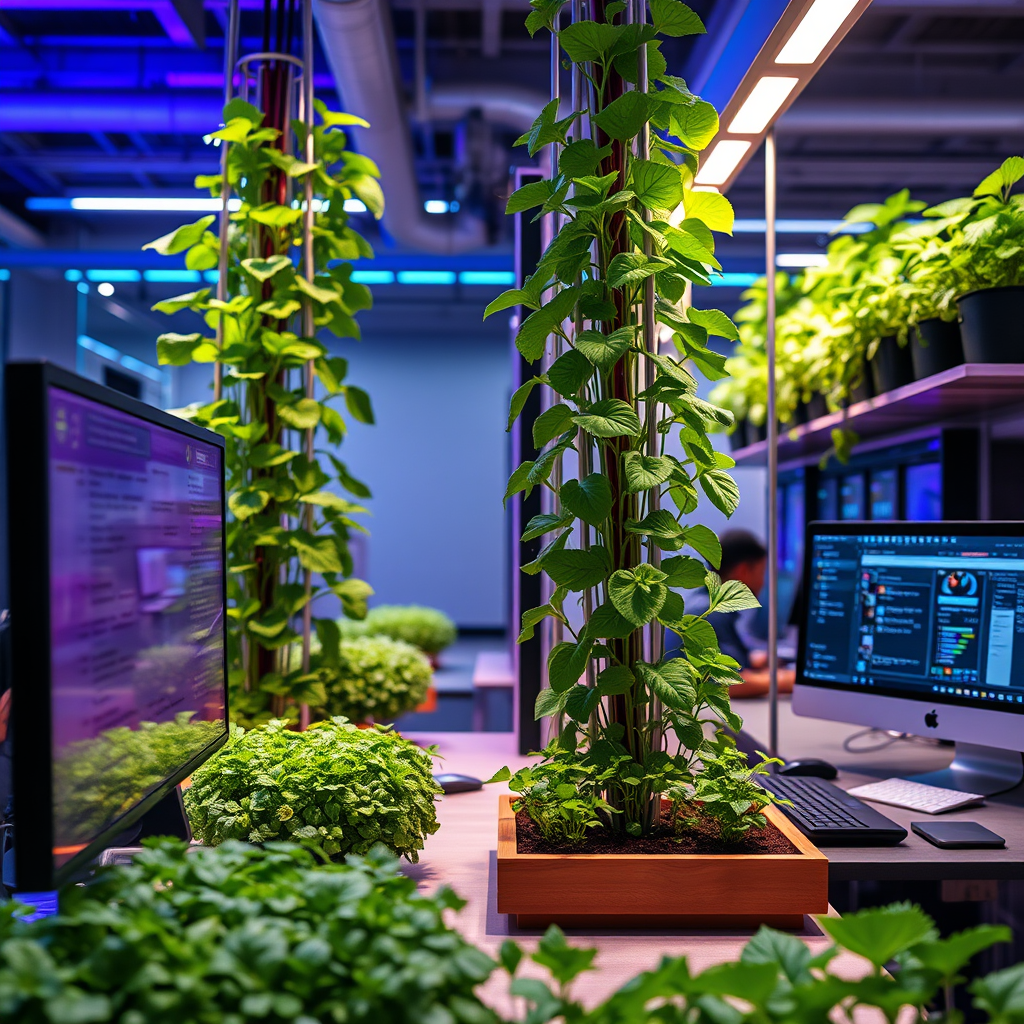
The rapid expansion of vertical farming technology in urban areas is reshaping how cities approach food production and sustainability. This innovative method allows for efficient growing practices that can significantly reduce agricultural land use, improve food accessibility, and minimize carbon footprints. With urban populations on the rise, the need for sustainable and efficient food production has never been more pressing, and vertical farming is stepping up to meet this demand. In this article, we will explore the latest advancements in vertical farming tech, its benefits, challenges, and the future of urban agriculture.



The Rise of Vertical Farming in Urban Areas
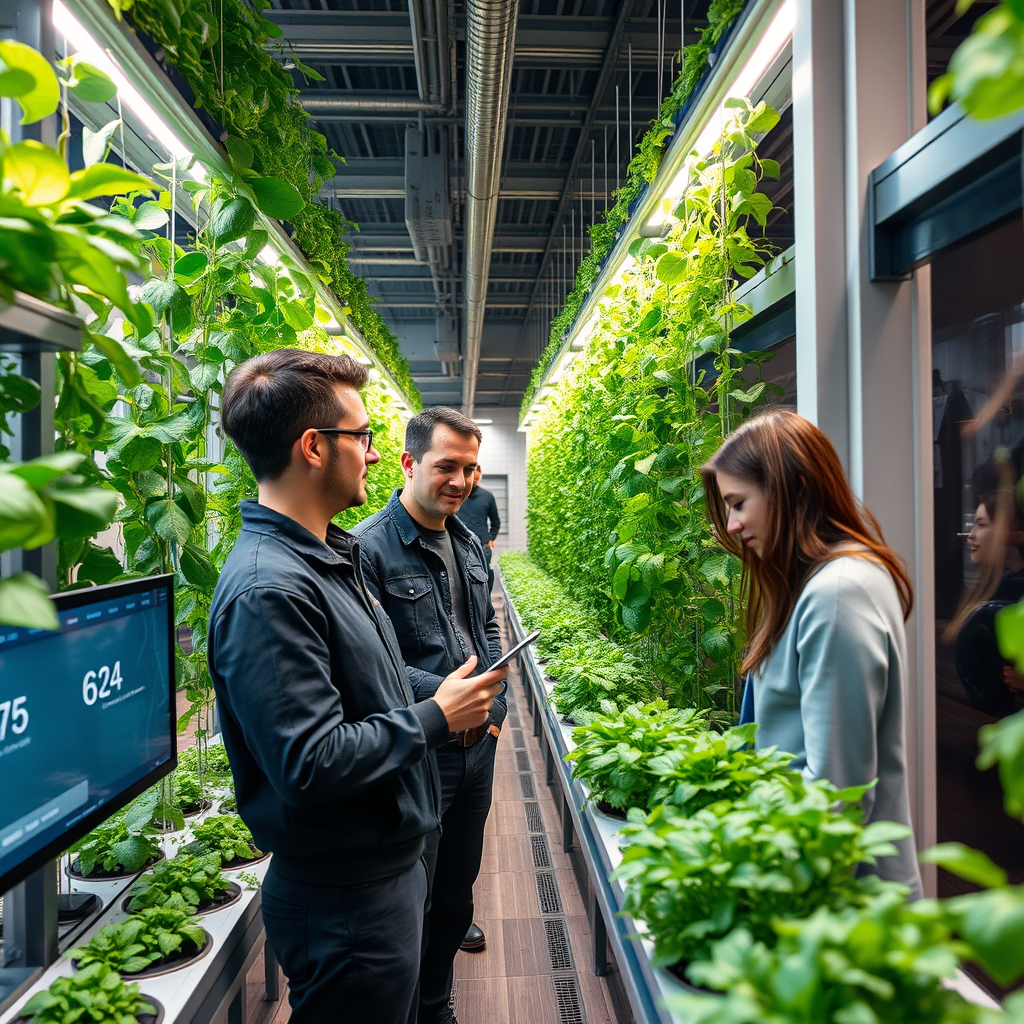
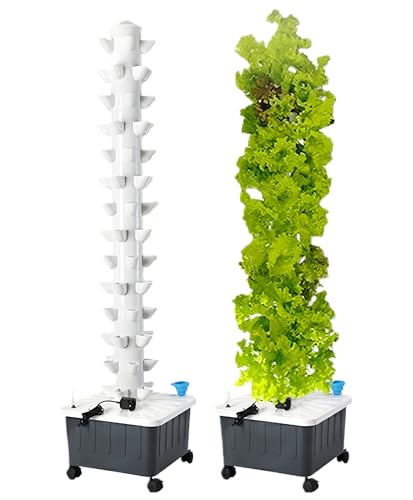
As cities grow and urban sprawl continues, traditional agriculture faces increasing pressure. Urbanization drives the need for innovative food solutions that can keep pace with the swelling population. Vertical farming is emerging as an effective response, utilizing innovative techniques to cultivate crops in multi-layered environments, often within repurposed buildings. This method not only requires less physical space than conventional farming but also maximizes yield per square foot, allowing cities to produce a significant amount of food right where it’s consumed. By placing farms close to urban centers, cities can create a local food system that enhances food sovereignty and reduces the distance food travels from farm to table.
Key Technologies Behind Vertical Farming
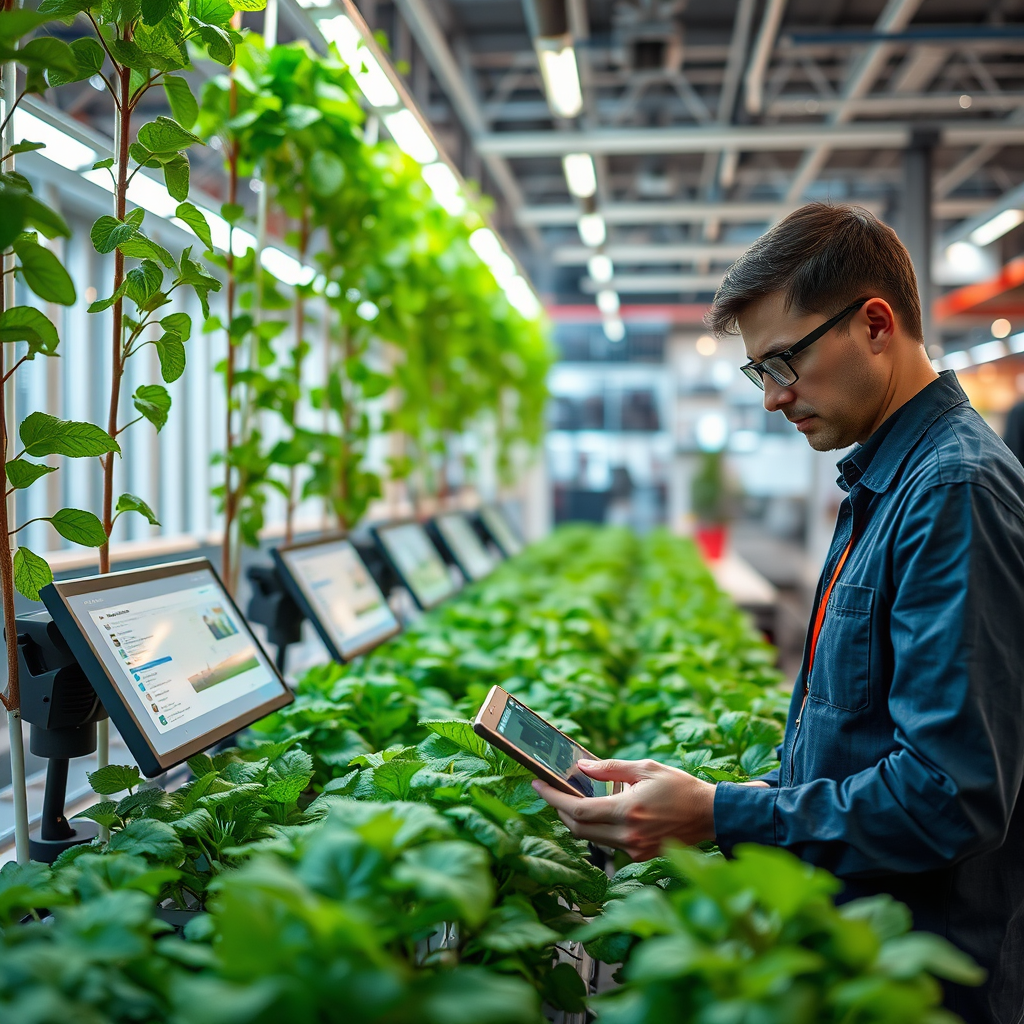
At the heart of vertical farming are several key technologies that enable efficient and sustainable crop production.
– Hydroponics and Aeroponics: These soil-less growing methods allow plants to thrive in nutrient-rich water solutions or mist, respectively. Hydroponics uses water and mineral nutrient solutions, while aeroponics suspends plants in the air and delivers nutrients directly to their roots. Both methods significantly reduce the space needed for cultivation and use up to 90% less water than traditional farming. They are particularly suited for urban environments where space is at a premium.
– LED Lighting Systems: Energy-efficient LED lights have revolutionized how vertical farms operate. These lights can be tuned to emit specific wavelengths that optimize plant growth, significantly reducing energy consumption while enhancing photosynthesis. By providing the right light spectrum and intensity, vertical farms can produce crops year-round, independent of external weather conditions.
Benefits of Vertical Farming for Cities
Vertical farming offers a plethora of benefits that can transform urban food systems.
– Reduces Transportation Costs and Emissions: By growing food locally, vertical farms minimize the need for long-distance transportation, which contributes to greenhouse gas emissions. Fresh produce can be harvested and delivered directly to local markets, restaurants, and consumers, promoting a more sustainable food supply chain. This local approach not only reduces costs but also supports the local economy by keeping food dollars within the community.
– Offers Fresh Produce Year-Round: One of the most appealing aspects of vertical farming is its ability to provide fresh, nutritious produce throughout the year, regardless of seasonal changes. This constant availability enhances food security, particularly in urban areas where access to fresh fruits and vegetables can be limited. With vertical farms, cities can combat food deserts—urban neighborhoods with limited access to affordable and nutritious food—by ensuring that fresh produce is always within reach.
Challenges Facing Vertical Farming Technology
While the benefits of vertical farming are substantial, there are also significant challenges that need to be addressed for widespread adoption.
– High Initial Setup Costs: Establishing a vertical farm requires considerable investment in technology, infrastructure, and equipment. The costs associated with hydroponic systems, LED lighting, and climate control systems can be prohibitive for new entrants to the market. While operational costs may decrease over time, the initial financial barrier can deter potential farmers from entering the field.
– Technical Expertise Required: Efficient management and maintenance of vertical farms require specialized knowledge in various fields, including horticulture, engineering, and data analytics. Many urban areas may not have access to the necessary expertise, posing a challenge for those looking to implement vertical farming solutions. This technical gap can hinder the growth and scalability of vertical farming initiatives.
Successful Vertical Farming Models in Major Cities
Several cities around the globe have embraced vertical farming, leading the way in innovative urban agriculture.
– New York City: One of the pioneers in vertical farming, New York has seen successful ventures such as Bowery Farming and Green Spirit Farms, which utilize cutting-edge technology to produce greens and herbs for local markets. Bowery Farming, for example, employs a fully-controlled environment with advanced data analytics to optimize growth conditions, resulting in fresh produce available within hours of harvest.
– Tokyo: Known for its dense population, Tokyo has turned to vertical farming to address food security. The Pasona Urban Farm integrates agriculture within an office building, allowing employees to grow and harvest vegetables during their workday. This innovative model not only provides fresh produce but also promotes employee wellness and education about sustainable practices.
– Government Incentives: Many urban farming initiatives have benefited from governmental support, such as grants, tax incentives, and zoning regulations that favor agricultural development. These supports can significantly enhance the feasibility of vertical farming projects, encouraging entrepreneurs and established farmers alike to explore urban agriculture.
Future Trends in Vertical Farming
The future of vertical farming looks promising, with several trends indicating potential growth and innovation.
– Integrating AI and IoT: The incorporation of Artificial Intelligence (AI) and the Internet of Things (IoT) into vertical farming practices is set to revolutionize the industry. Smart sensors can monitor environmental conditions in real-time, adjusting variables such as light, temperature, and humidity to optimize growth. This data-driven approach enhances efficiency and reduces resource waste, making vertical farms even more sustainable.
– Community Involvement and Education: As urban farming gains traction, there is a growing emphasis on community engagement and education. Initiatives that involve local residents in farming activities not only foster a sense of community but also provide valuable learning experiences. Schools and community centers are beginning to incorporate vertical farming systems into their programs, promoting awareness of sustainable practices and food sources among younger generations.
The increasing adoption of vertical farming technology in cities signifies a pivotal shift toward sustainable urban agriculture. As we face the challenges of climate change and urbanization, these innovative solutions promise to enhance food production while reducing environmental impact. By embracing vertical farming, cities can create resilient, self-sufficient food systems that prioritize sustainability and accessibility. Explore your local urban farming initiatives or consider how you can get involved in supporting sustainable food systems in your community. Together, we can cultivate a greener future for our cities!
Frequently Asked Questions
What is vertical farming technology and how does it work?
Vertical farming technology refers to the practice of growing crops in vertically stacked layers, often utilizing controlled-environment agriculture (CEA) techniques. This method incorporates hydroponics, aeroponics, and aquaponics to optimize space and resources, allowing for year-round cultivation in urban settings. By using LED lighting and automated systems, vertical farms can significantly reduce water usage and eliminate the need for pesticides, making them a sustainable option for food production in cities.
How does vertical farming benefit urban communities?
Vertical farming brings numerous benefits to urban communities, including increased access to fresh produce, reduced food transportation costs, and minimized environmental impact. By locating farms within cities, these facilities can provide fresh fruits and vegetables to local residents, thereby addressing food deserts. Additionally, vertical farms contribute to urban greening efforts, improve air quality, and can create local jobs in agriculture and technology sectors.
Why is vertical farming becoming popular in cities?
The popularity of vertical farming in cities is driven by the growing demand for sustainable food sources amid rapid urbanization and population growth. As traditional agriculture faces challenges like land scarcity and climate change, vertical farming offers a solution by maximizing limited urban space and reducing the carbon footprint associated with food transportation. Furthermore, advancements in technology and decreasing operational costs are making vertical farms more viable and attractive to investors and entrepreneurs.
What are the best crops to grow in vertical farms?
The best crops for vertical farms typically include leafy greens such as lettuce, spinach, and kale, as well as herbs like basil, cilantro, and mint. These plants thrive in controlled environments and have quick growth cycles, allowing for multiple harvests throughout the year. Additionally, some vertical farms are experimenting with fruiting crops like strawberries and tomatoes, although they require more complex systems and care compared to leafy greens.
Which cities are leading the way in vertical farming initiatives?
Several cities around the world are emerging as leaders in vertical farming initiatives, with notable examples including New York City, Singapore, and Tokyo. New York has seen a surge in urban farms that leverage rooftop spaces and abandoned buildings, while Singapore invests heavily in high-tech vertical farms to enhance food security. Tokyo, known for its innovative approaches, has integrated vertical farms into urban infrastructure, showcasing how cities can adapt to modern agricultural practices.
References
- Vertical farming
- https://www.nytimes.com/2021/05/07/business/vertical-farming.html
- https://www.bbc.com/news/business-54331358
- https://www.sciencedirect.com/science/article/pii/S2351978921000751
- Improved Test Methods and Practices for Characterizing Steel Corrosion Potential of Earthen Mater…
- https://www.usda.gov/media/blog/2021/07/07/vertical-farming-urban-agriculture-future-food-production
- https://www.researchgate.net/publication/331596964_Vertical_Farming_An_Overview_of_the_Concept_and_its_Applications
- https://www.americanprogress.org/article/urban-agriculture-vertical-farming-sustainable-cities/
- https://www.theguardian.com/environment/2021/jul/12/vertical-farming-sustainable-food-production-city