To ensure optimal audio quality for outdoor performances, focus on proper equipment selection, strategic setup, and sound management techniques. This article will guide you through essential steps that will enhance the listening experience for your audience, regardless of the outdoor environment.



Outdoor performances present a unique set of challenges that can significantly impact audio quality. Factors such as environmental noise, weather elements, and the physical characteristics of outdoor spaces can all contribute to sound dispersion and clarity issues. Understanding these challenges is crucial for any sound engineer or performer looking to deliver an exceptional audio experience.
Understanding Outdoor Acoustic Challenges
One of the primary hurdles in outdoor environments is the lack of natural sound barriers. Unlike indoor venues, where walls and ceilings can help contain and direct sound, outdoor settings often lead to rapid sound dispersion. This means that sound can easily dissipate into the open air, resulting in a loss of clarity and volume at varying distances from the source.
Environmental factors, such as wind, humidity, and temperature, can further complicate audio quality. Wind can cause unwanted noise and disrupt microphone performance, while temperature variations can affect sound wave propagation. Additionally, outdoor audiences may be subjected to competing noises, such as traffic or nature sounds, which can detract from the overall experience.
Choosing the Right Equipment
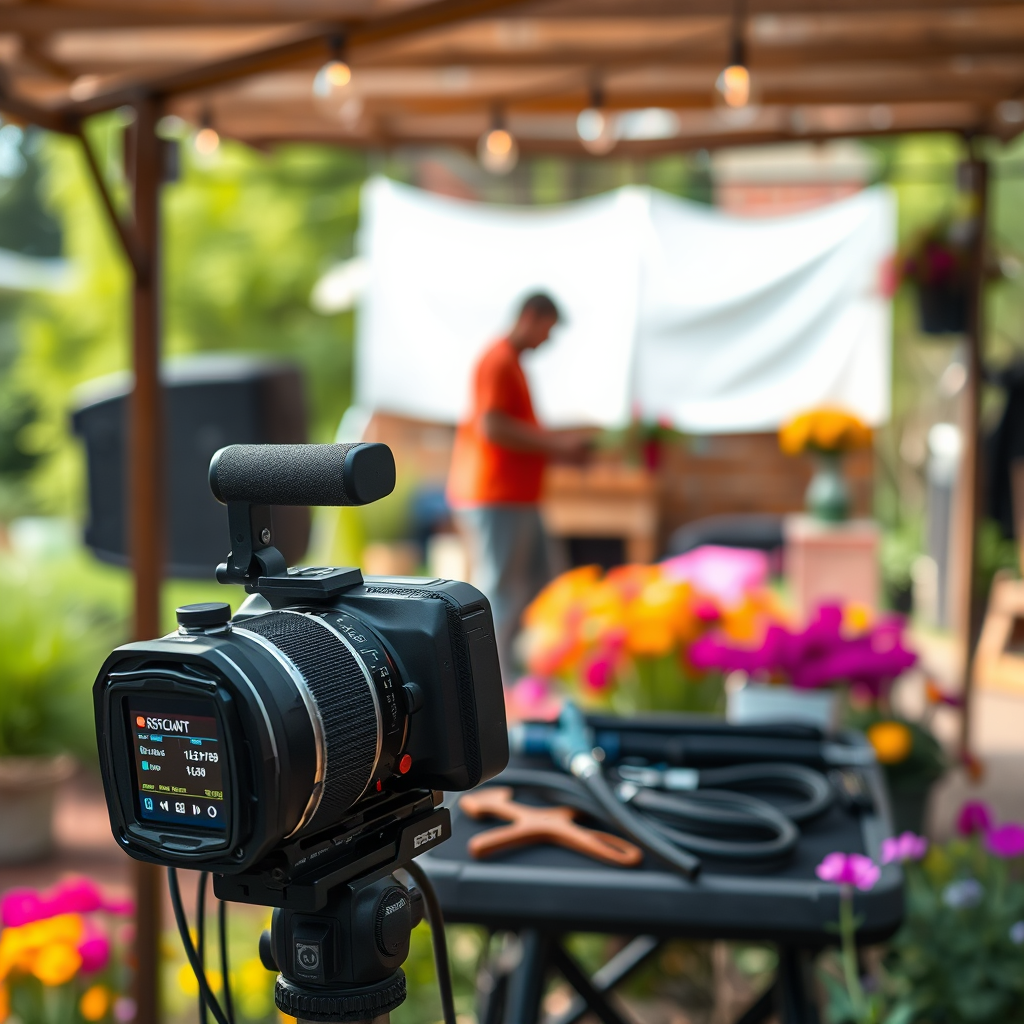
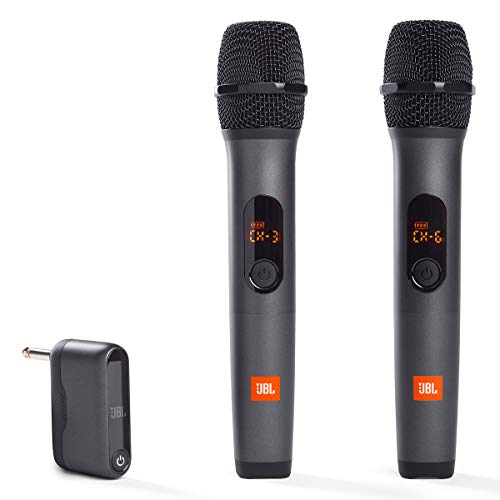
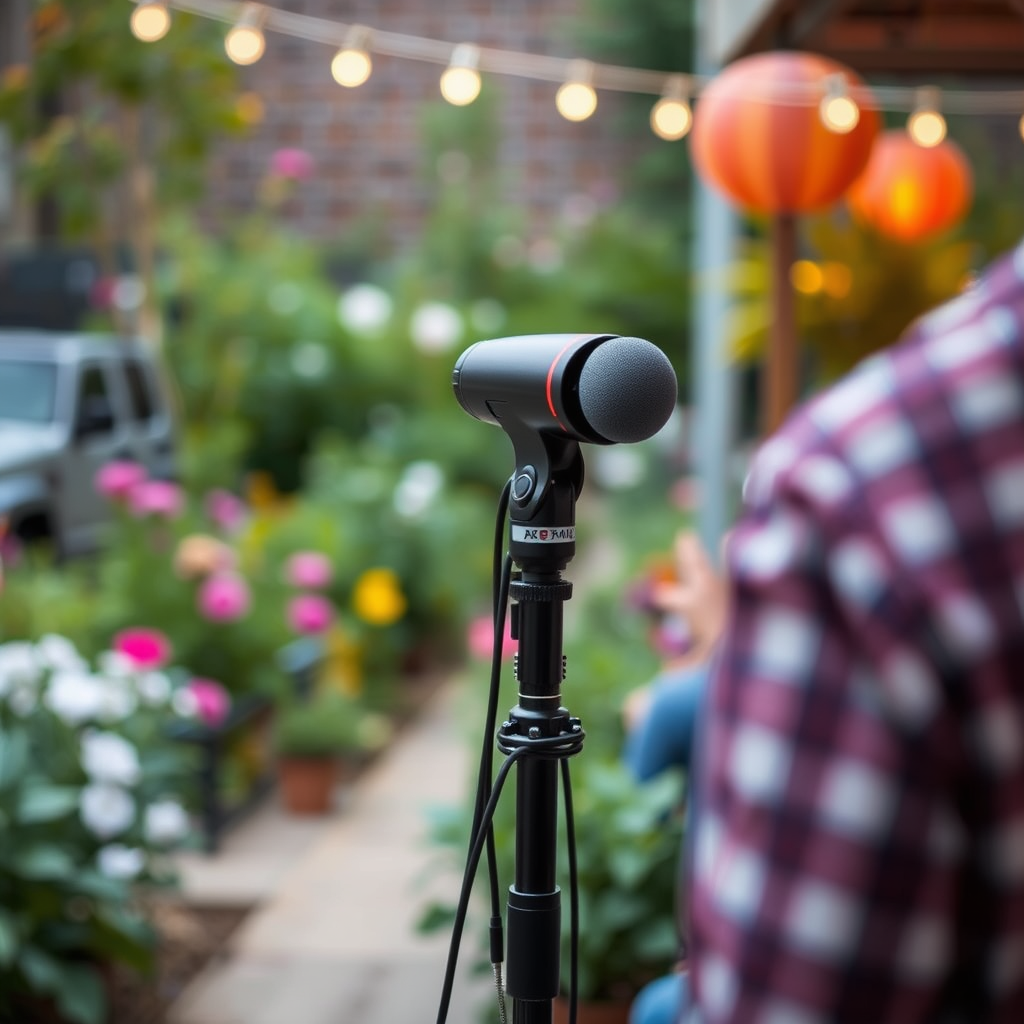
Investing in high-quality microphones and speakers designed specifically for outdoor use is essential. Outdoor microphones should have robust windshields to mitigate the effects of wind noise. For instance, lavalier microphones often come with windshields that can significantly reduce noise interference during performances.
Speakers should also be selected based on their ability to project sound over long distances without distortion. Powered speakers with built-in amplifiers can provide the necessary volume and clarity, while weather-resistant models can withstand outdoor conditions. Brands like JBL and QSC offer excellent options for outdoor sound systems, renowned for their reliability and sound quality.
Strategic Sound System Placement
Positioning your sound system correctly is vital for maximizing coverage and minimizing sound loss. Speakers should be elevated to ensure that sound travels over the audience rather than being absorbed by the ground. Elevation can be achieved using stands or by mounting speakers on structures, which can also help prevent feedback issues.
To create a balanced sound field, consider using multiple speaker placements. A distributed sound system can help eliminate dead zones where sound may be too faint or completely absent. For example, placing speakers in a line or in a semi-circle around the performance area can enhance audio reach and clarity for all audience members.
Top Outdoor Audio Equipment Brands (2024)
| # | Brand | Speaker Type | Microphone Type | Weather Resistance |
|---|---|---|---|---|
| 1 | JBL | Powered | Lavalier | Yes |
| 2 | QSC | Passive | Handheld | Yes |
| 3 | Electro-Voice | Subwoofer | Dynamic | Yes |
| 4 | Sennheiser | Portable | Wireless | Yes |
| 5 | Shure | Line Array | Lavalier | No |
| 6 | Mackie | Active | Dynamic | Yes |
| 7 | Behringer | Portable | Handheld | Yes |
Utilizing Sound Check Procedures
Conducting thorough sound checks before the performance is essential for addressing potential issues that could arise during the event. A comprehensive sound check allows for the adjustment of levels and EQ settings based on the specific outdoor environment.
Performing a sound check in the actual performance space, rather than a rehearsal space, can provide valuable insights into how the sound carries in that particular setting. During the sound check, be sure to test all equipment, including microphones, speakers, and any effects or amplifiers. This proactive approach ensures that any necessary adjustments can be made ahead of time, leading to a smoother performance.
Managing Audience Engagement
Audience engagement is a critical aspect of outdoor performances, and managing sound clarity for performers is paramount. Utilizing monitors for performers can help ensure they hear themselves clearly, which in turn enhances their performance and connection with the audience.
Encouraging audience feedback on sound quality during the performance can provide real-time insights for sound engineers. If audience members report difficulty hearing or other sound issues, adjustments can be made on the fly, ensuring a more enjoyable experience for everyone involved.
Implementing Acoustic Treatments
In open areas, implementing portable acoustic treatments can help enhance sound quality. Acoustic panels or barriers can absorb sound reflections and control reverberation, making it easier for the audience to hear the performance clearly. These can be particularly useful in locations with hard surfaces, such as concrete, where sound tends to bounce.
Additionally, using blankets or mats can dampen sound reflections from surfaces, further improving audio clarity. These simple yet effective solutions can significantly enhance the listening experience in outdoor environments.
Factors Affecting Audio Quality Outdoors
Monitoring and Adjusting During the Performance
Having a dedicated sound engineer to monitor audio quality throughout the event is critical to maintaining optimal sound conditions. This professional can make necessary adjustments on the fly based on audience response and environmental changes.
Real-time monitoring allows for quick corrections, such as altering volume levels or adjusting EQ settings to ensure sound clarity. The ability to adapt to changing conditions—like sudden wind gusts or increased audience noise—can make a significant difference in the performance experience.
In conclusion, optimizing audio quality for outdoor performances requires careful planning and execution. By understanding the unique acoustic challenges, selecting the right equipment, strategically placing sound systems, and implementing effective sound management techniques, you can create an exceptional auditory experience for your audience. Remember that adaptability is key; be prepared to make adjustments during the performance to ensure a high-quality sound experience. Implementing these strategies will not only enhance the performance but also resonate positively with your audience, leaving a lasting impression.
Frequently Asked Questions
What are the best microphones for outdoor performances?
The best microphones for outdoor performances typically include dynamic microphones like the Shure SM58 and condenser microphones such as the Audio-Technica AT2020. These microphones are designed to handle high sound pressure levels and are often more resistant to wind noise and moisture, making them ideal for outdoor settings.
How can I reduce wind noise during outdoor performances?
To reduce wind noise during outdoor performances, use windshields or foam covers on your microphones, which help minimize wind interference. Additionally, positioning your microphones away from direct wind paths and utilizing directional microphones can greatly enhance audio quality by focusing on the sound source while reducing ambient noise.
Why is soundcheck important for outdoor events?
Soundcheck is crucial for outdoor events because it allows you to adjust the audio settings based on environmental factors such as wind, distance, and background noise. Conducting a thorough soundcheck ensures that all sound equipment is functioning properly and helps to optimize audio quality, resulting in a better experience for both performers and the audience.
Which audio mixing techniques are best for outdoor performances?
The best audio mixing techniques for outdoor performances include using equalization to enhance vocal clarity and employing compression to maintain a balanced sound level. Additionally, adjusting your mix based on real-time feedback during the performance can help you adapt to changing acoustic conditions and audience distance, ensuring optimal sound quality.
How do I choose the right speakers for outdoor events?
When choosing speakers for outdoor events, consider factors such as power output, weather resistance, and portability. Look for high-quality powered speakers with at least 1000 watts for larger crowds, and opt for models with built-in protection against moisture and dust to ensure durability and consistent sound quality in various outdoor conditions.
References
- Sound quality
https://en.wikipedia.org/wiki/Audio_quality - https://www.sciencedirect.com/topics/engineering/audio-engineering
https://www.sciencedirect.com/topics/engineering/audio-engineering - https://www.ncbi.nlm.nih.gov/pmc/articles/PMC3348305/
https://www.ncbi.nlm.nih.gov/pmc/articles/PMC3348305/ - https://www.bbc.com/future/article/20210622-how-to-get-the-best-sound-quality-from-your-music
https://www.bbc.com/future/article/20210622-how-to-get-the-best-sound-quality-from-your-music - https://www.theguardian.com/music/2021/oct/20/how-to-prepare-for-an-outdoor-music-festival
https://www.theguardian.com/music/2021/oct/20/how-to-prepare-for-an-outdoor-music-festival - https://www.nature.com/articles/s41598-019-46619-4
https://www.nature.com/articles/s41598-019-46619-4 - https://www.mayoclinic.org/healthy-lifestyle/consumer-health/in-depth/hearing-loss/art-20045257
https://www.mayoclinic.org/healthy-lifestyle/consumer-health/in-depth/hearing-loss/art-20045257 - Google Scholar Google Scholar
https://scholar.google.com/scholar?q=optimize+audio+quality+outdoor+performances - Google Scholar Google Scholar
https://scholar.google.com/scholar?q=outdoor+performance+audio+engineering - Google Scholar Google Scholar
https://scholar.google.com/scholar?q=outdoor+concert+sound+quality