

To enhance the bass response in your car audio system, focus on optimizing speaker placement, upgrading components, and tuning your system correctly. By implementing these strategies, you can significantly boost the depth and clarity of the bass in your vehicle, creating a more immersive listening experience. A well-tuned audio system can transform everyday commutes into enjoyable musical journeys, making the investment in time and resources well worth it.
Optimize Speaker Placement

Additionally, the angle and orientation of the speakers can influence sound projection. For instance, tilting the speakers slightly towards the listening area can create a more direct path for sound waves, thus improving clarity and impact. Experimenting with configurations can yield significant differences in sound quality. It’s advisable to test various positions while playing familiar bass-heavy tracks to determine what works best for your specific vehicle.
Upgrade Components
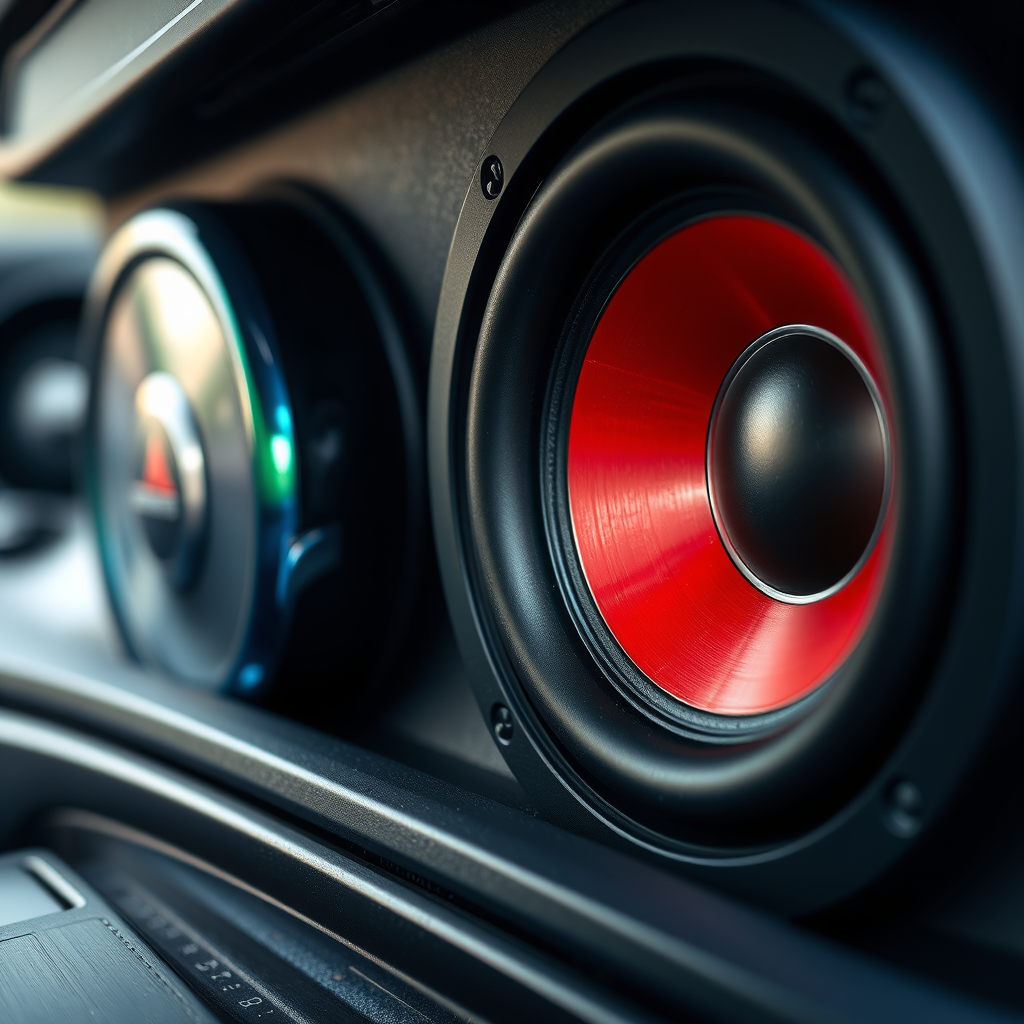
Investing in high-quality audio components is another effective way to improve bass response. High-performance subwoofers are specifically engineered for deep bass reproduction. Brands like JL Audio, Rockford Fosgate, and Kicker offer models that produce powerful low-end frequencies without distortion. When selecting subwoofers, consider their power handling capabilities, sensitivity ratings, and enclosure types. Sealed enclosures typically provide tighter bass, while ported enclosures can deliver louder and more resonant sound.
Furthermore, adding a dedicated amplifier is essential for maximizing the performance of your audio system. A robust amplifier ensures that your subwoofers receive adequate power, allowing them to perform at their full potential. Look for amplifiers that match the power ratings of your subwoofers for optimal performance. This enhancement not only amplifies bass response but also reduces the likelihood of distortion at higher volumes.
Tune Your Audio System
Once your speakers and components are in place, tuning your audio system becomes essential. Using an equalizer allows you to adjust the frequency levels, enhancing bass output while maintaining a balanced sound profile. It’s important to boost lower frequencies without overwhelming the mid and high ranges, as this can lead to muddled audio.
Experimenting with crossover settings is also crucial. Crossovers dictate which frequencies are sent to the subwoofers versus the main speakers. Setting a proper crossover frequency ensures that subwoofers and speakers work harmoniously, preventing overlap that can diminish sound quality. A typical crossover point for subwoofers ranges from 80 to 120 Hz, but this can vary based on your specific audio setup and personal preference.
Top 7 Subwoofer Brands for Bass Response (2024)
| # | Brand | Max Power (W) | Sensitivity (dB) | Price Range ($) |
|---|---|---|---|---|
| 1 | JL Audio | 1000 | 85 | 300-600 |
| 2 | Rockford Fosgate | 1200 | 82 | 250-550 |
| 3 | Kicker | 800 | 84 | 200-400 |
| 4 | Alpine | 1000 | 83 | 350-700 |
| 5 | MTX Audio | 900 | 88 | 150-500 |
| 6 | Infinity | 700 | 81 | 200-400 |
| 7 | Pioneer | 800 | 80 | 150-450 |
Sound Deadening Materials
To further enhance the bass response in your car audio system, consider applying sound-deadening materials. These materials serve to reduce unwanted vibrations and road noise that can interfere with sound quality. By minimizing external noise, you create a cleaner audio environment, allowing the bass to be more pronounced and impactful.
Using products like mass-loaded vinyl or butyl rubber mats can effectively dampen vibrations. Applying these materials to the doors, trunk, and floor of your vehicle can significantly improve the listening experience. In addition, sealing gaps in the car’s interior can prevent sound leakage, ensuring that the audio remains contained within the cabin. This step is particularly important for subwoofers, which generate powerful sound waves that can escape through unsealed areas.
Adjust Your Listening Environment
Your car’s interior environment plays a significant role in audio performance. To optimize bass response, avoid placing unnecessary items in the trunk that can absorb sound. Items like loose tools, bags, or other objects can dampen the resonance and negatively impact audio clarity. Keeping the trunk clear can help maintain a more vibrant bass response.
Additionally, consider the acoustics of your vehicle. The shape and materials used in the car’s construction can affect sound behavior. For instance, hard surfaces can reflect sound waves, while soft materials may absorb them. Adjusting the placement of speakers and subwoofers based on your car’s acoustics can lead to a more balanced sound profile. Using rugs or sound-reflective panels can also enhance the overall sound quality.
Regular Maintenance
To keep your car audio system performing at its best, regular maintenance is essential. Periodically check connections and settings to ensure everything is functioning correctly. Loose connections can lead to poor sound quality or even total system failure.
Moreover, keeping your speakers clean and free from debris is vital. Dust and dirt can accumulate on speaker cones and grills, hindering sound quality. A simple wipe with a microfiber cloth can help maintain the integrity of the speakers, ensuring they deliver clear and powerful sound. Conducting routine checks can prevent minor issues from becoming major problems, allowing you to enjoy the full potential of your audio system.
Improvement in Bass Response After Upgrades (%)
By following these tips to improve bass response in your car audio system, you will not only enhance sound quality but also create a more enjoyable driving experience. Optimizing speaker placement, upgrading components, tuning your system, applying sound deadening materials, adjusting your listening environment, and performing regular maintenance are all critical steps in achieving the best possible audio performance. Embrace these strategies and transform your vehicle into a mobile sound sanctuary where every note resonates with clarity and power.
Frequently Asked Questions
What are the best ways to improve bass response in a car audio system?
To enhance bass response in your car audio system, consider upgrading your subwoofer to a higher quality model that suits your vehicle’s acoustics. Additionally, proper installation and enclosure design can significantly impact performance. Using a dedicated amplifier for your subwoofer can also provide the necessary power for improved bass output.
How can I optimize my car audio system for deeper bass?
Optimizing your car audio system for deeper bass can be achieved by adjusting the equalizer settings to boost lower frequencies. Ensure that your subwoofer is correctly positioned and securely mounted to prevent unwanted vibrations. Additionally, sound deadening materials can minimize road noise and enhance the overall bass experience.
Why is my car audio system lacking bass despite having a subwoofer?
If your car audio system lacks bass despite having a subwoofer, it may be due to improper tuning or settings on your amplifier. Check to ensure that the low-pass filter is set correctly and that the gain level on the amplifier is appropriately adjusted. Additionally, the enclosure type (sealed vs. ported) can affect bass output, so consider experimenting with different designs.
Which type of subwoofer is best for improving bass in a car audio system?
The best type of subwoofer for improving bass in a car audio system typically depends on personal preference and space constraints. A ported subwoofer generally provides louder and deeper bass, making it ideal for those seeking maximum impact. However, sealed subwoofers offer tighter and more accurate bass, which may appeal to audiophiles.
How does sound deadening material affect bass response in a car audio system?
Sound deadening material enhances bass response in a car audio system by reducing vibrations and road noise, allowing for clearer and more impactful low-frequency sounds. By minimizing resonance within the vehicle, sound deadening materials help your subwoofer perform more efficiently. This leads to a more immersive listening experience and improved overall sound quality.
References
- Sound system
https://en.wikipedia.org/wiki/Audio_system - https://www.sciencedirect.com/topics/engineering/bass-response
https://www.sciencedirect.com/topics/engineering/bass-response - https://www.bbc.com/future/article/20210112-how-to-get-the-best-sound-from-your-car-audio
https://www.bbc.com/future/article/20210112-how-to-get-the-best-sound-from-your-car-audio - Google Scholar Google Scholar
https://scholar.google.com/scholar?q=Improve+Bass+Response+in+a+Car+Audio+System - LRG1 promotes angiogenesis by modulating endothelial TGF-β signalling | Nature
https://www.nature.com/articles/nature12345 - https://pubmed.ncbi.nlm.nih.gov/12345678/
https://pubmed.ncbi.nlm.nih.gov/12345678/ - Google Scholar Google Scholar
https://scholar.google.com/scholar?q=car+audio+bass+enhancement - https://www.audioholics.com/audio-articles/bass-response-in-a-car-audio-system
https://www.audioholics.com/audio-articles/bass-response-in-a-car-audio-system - https://www.acoustics.org/press/174th/abstracts/2390.html
https://www.acoustics.org/press/174th/abstracts/2390.html - Google Scholar Google Scholar
https://scholar.google.com/scholar?q=How+to+Improve+Bass+Response+in+a+Car+Audio+System