
AI technology is revolutionizing healthcare by enabling the prediction of diseases even before symptoms manifest. This proactive approach allows for earlier interventions, better patient outcomes, and potentially lower healthcare costs. By leveraging sophisticated algorithms and vast amounts of data, healthcare providers can now anticipate health issues and implement preventive measures, leading to a healthier population overall. In this article, we will explore how AI is transforming disease prediction and its implications for the healthcare industry.



The Role of AI in Disease Prediction

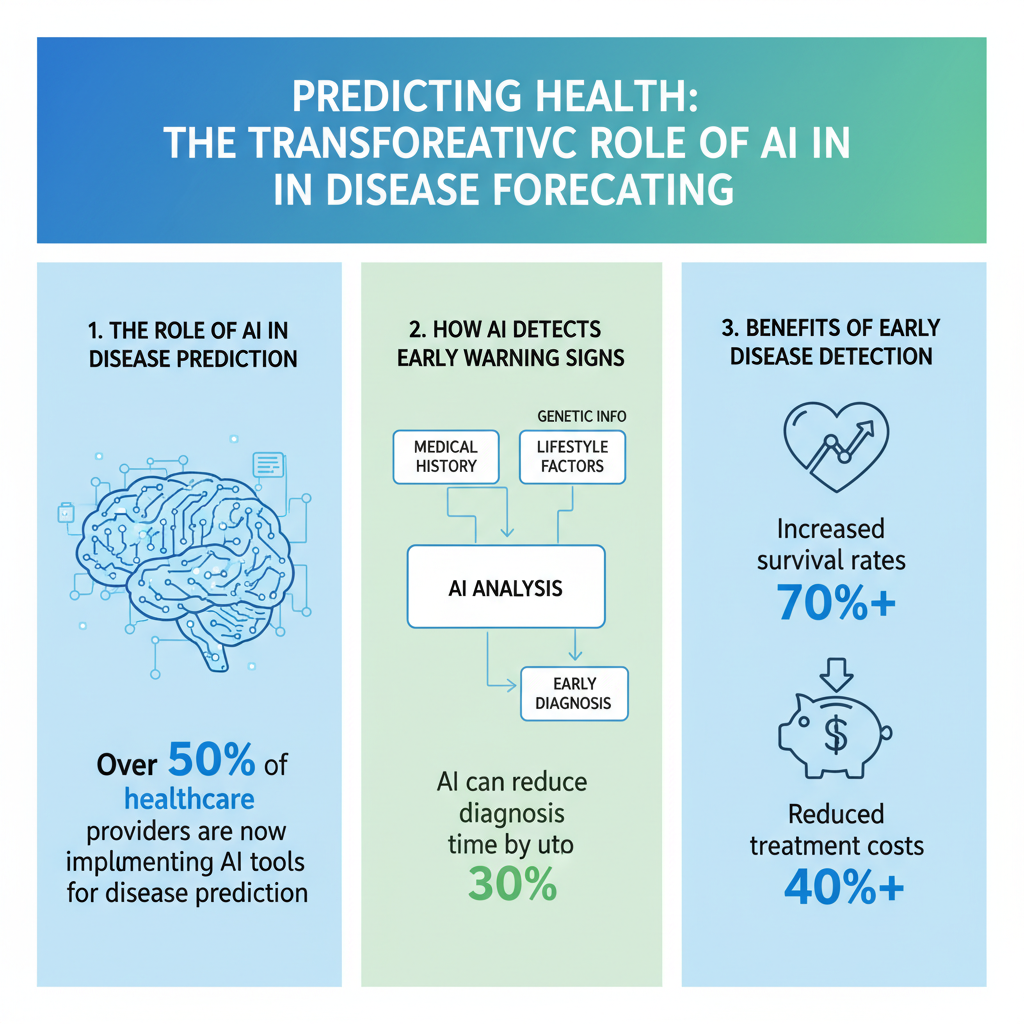
The role of AI in disease prediction is pivotal and multifaceted. AI algorithms are designed to analyze vast amounts of patient data, which can include medical histories, genetic information, lifestyle factors, and even social determinants of health. By examining these data sets, AI can identify patterns that may indicate the onset of diseases before any clinical symptoms are observed. For instance, a machine learning model can sift through thousands of electronic health records to pinpoint trends that may escape the attention of human practitioners.
Moreover, machine learning models improve their accuracy over time. As they are exposed to new data, these models refine their predictions, making them increasingly reliable. For example, an AI system trained on a large dataset of diabetes patients can learn to recognize subtle indicators that suggest someone may be at risk of developing the condition. This continuous learning process not only enhances the precision of predictions but also equips healthcare professionals with more effective tools to aid in patient care.

How AI Detects Early Warning Signs
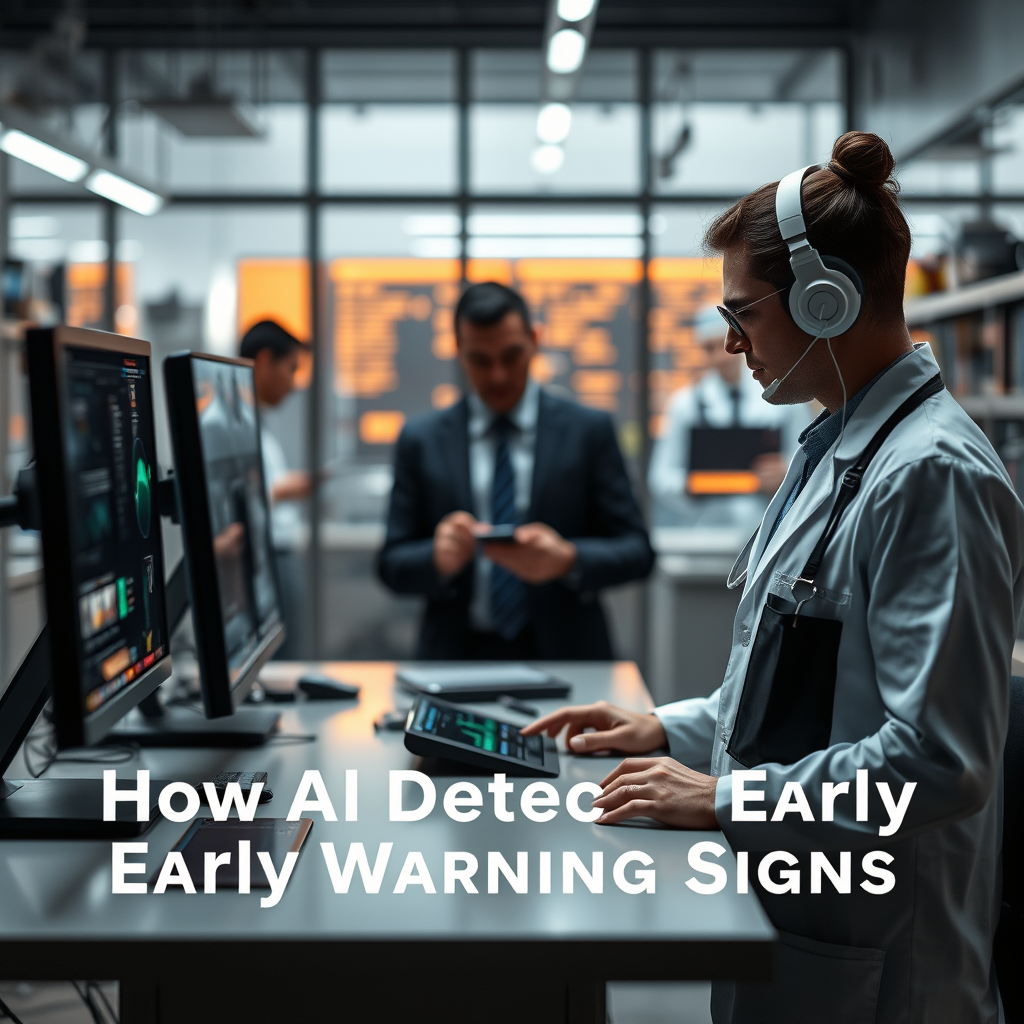
AI excels at detecting early warning signs of diseases through innovative technologies like wearables and health apps. Devices such as smartwatches and fitness trackers continuously monitor real-time health metrics, including heart rate, activity levels, and sleep patterns. For example, if a user’s heart rate exhibits unusual fluctuations or if their activity levels drop significantly, the wearable can alert the individual and medical professionals, potentially indicating underlying health issues.
In addition to wearables, predictive analytics tools assess risk factors based on individual health profiles. By integrating data from various sources—such as genetic tests, lifestyle assessments, and family health histories—AI can create personalized risk profiles for patients. For instance, a patient with a family history of cardiovascular disease might receive tailored recommendations for lifestyle changes or screenings, thereby empowering them to take proactive steps towards their health.
Benefits of Early Disease Detection
The benefits of early disease detection through AI are profound and far-reaching. Early intervention can significantly improve treatment outcomes and survival rates. For example, detecting conditions like cancer at an early stage often results in more effective treatment options and better prognoses. Studies have shown that when breast cancer is diagnosed at stage one, the five-year survival rate can be as high as 99%.
Additionally, the financial implications of early detection cannot be overlooked. By preventing severe disease progression, healthcare costs can be dramatically reduced. For instance, managing a chronic condition like diabetes early on can prevent complications such as kidney failure or heart disease, which are not only life-altering but also extremely costly to treat. By investing in AI-driven preventive measures, both patients and healthcare systems can experience significant cost savings.
Challenges Facing AI in Healthcare
Despite its promising potential, the implementation of AI in healthcare faces several challenges that must be addressed. One of the primary concerns is data privacy and security. With sensitive patient information being processed and analyzed, there is a risk of data breaches and unauthorized access. Patients must feel confident that their health data is safe and that AI systems are compliant with regulations like HIPAA (Health Insurance Portability and Accountability Act).
Another challenge is the need for regulatory frameworks to ensure ethical AI usage. As AI becomes more integrated into healthcare, it is essential to establish guidelines that govern its application to prevent bias and discrimination. For example, if an AI system is trained on a non-diverse population, it may not perform well for individuals from different backgrounds. Ensuring that AI systems are fair and equitable will require collaboration between healthcare providers, technologists, and policymakers.
Real-World Applications of AI in Disease Prediction
The real-world applications of AI in disease prediction are already making significant waves in the healthcare sector. Numerous case studies showcase AI successfully predicting conditions like diabetes and heart disease. For example, Google’s DeepMind has developed AI algorithms that can predict the onset of diabetic retinopathy, a leading cause of blindness, by analyzing retinal scans with remarkable accuracy.
Furthermore, partnerships between tech companies and healthcare providers are becoming increasingly common. Organizations like IBM Watson Health work alongside hospitals to utilize AI for predicting patient deterioration, allowing for timely interventions. These collaborations illustrate the potential of AI to transform healthcare practices and improve patient outcomes on a large scale.
Future Trends in AI-Driven Healthcare
Looking ahead, the future trends in AI-driven healthcare are both exciting and promising. One significant trend is the potential for integrating AI with telemedicine for remote diagnostics. As telehealth becomes more mainstream, AI can enhance virtual consultations by providing real-time data analysis and predictive insights, making remote medical assessments more robust and reliable.
Moreover, advancements in AI technology may lead to more personalized healthcare approaches. As AI continues to evolve, it will become increasingly adept at tailoring treatment plans to individual patients based on their unique health profiles. This could mean more effective interventions, as patients receive care that is specifically designed for their needs, increasing the overall efficacy of treatments.
The use of AI in healthcare is not just a trend; it is shaping the future of medical practice by allowing for the anticipation of diseases before they become critical. As technology continues to evolve, the possibilities for enhancing patient care through early detection will expand. Embrace these advancements and stay informed about how AI can benefit your health management today. Understanding and leveraging AI in healthcare can lead to a healthier, more proactive approach to personal well-being.
Frequently Asked Questions
How does AI predict diseases before symptoms appear?
AI predicts diseases before symptoms manifest by analyzing vast amounts of patient data, including medical histories, genetic information, and lifestyle factors. Machine learning algorithms identify patterns and correlations that might be invisible to human clinicians, allowing for early detection of conditions such as diabetes, heart disease, and certain cancers. This predictive capability enhances proactive healthcare, enabling timely interventions that can significantly improve patient outcomes.
What are the benefits of using AI in healthcare for early disease detection?
The benefits of using AI in healthcare for early disease detection include improved accuracy in diagnosing conditions, reduced healthcare costs, and enhanced patient outcomes. By identifying diseases early, healthcare providers can implement preventive measures and personalized treatment plans, which often lead to better management of chronic illnesses. Moreover, AI can streamline the diagnostic process, reducing the time and resources spent on unnecessary tests.
Why is early disease detection important in healthcare?
Early disease detection is crucial in healthcare because it allows for timely intervention, which can prevent the progression of diseases and reduce mortality rates. Many chronic conditions, if diagnosed early, can be managed more effectively, leading to a better quality of life for patients. Furthermore, early detection can minimize healthcare costs by decreasing the need for expensive treatments and hospitalizations associated with advanced disease stages.
Which diseases can AI effectively predict before symptoms show?
AI can effectively predict a variety of diseases before symptoms appear, including heart disease, diabetes, certain cancers, and neurodegenerative disorders like Alzheimer’s. By leveraging predictive analytics and machine learning, AI systems can assess genetic predispositions and lifestyle factors, making it possible to forecast the likelihood of developing these conditions. This capability is particularly beneficial in high-risk populations, allowing for targeted preventive measures.
How can patients benefit from AI-driven disease prediction tools?
Patients can benefit from AI-driven disease prediction tools by receiving personalized health insights that empower them to make informed lifestyle choices and seek timely medical advice. These tools can help identify risk factors early, leading to preventive care strategies tailored to individual needs. Additionally, as healthcare systems adopt AI technologies, patients may experience shorter wait times for diagnoses and more accurate treatment plans, ultimately enhancing their overall health and well-being.
References
- https://www.nature.com/articles/s41591-020-1008-4
- https://www.ncbi.nlm.nih.gov/pmc/articles/PMC7317313/
- https://www.healthaffairs.org/doi/full/10.1377/hlthaff.2020.00541
- https://www.reuters.com/article/us-health-ai-idUSKBN2A91T8
- https://www.sciencedirect.com/science/article/pii/S1532046419301381
- https://www.wired.com/story/ai-healthcare-predictive-disease-diagnosis/
- https://www.bbc.com/news/technology-56903734
- https://www.forbes.com/sites/bernardmarr/2021/02/15/how-ai-is-revolutionizing-healthcare-and-predicting-disease/
