
If you’re choosing between Android TV and webOS, you want a clear winner—and the better platform depends on how you stream, search, and manage apps. Android TV tends to win for customization, app breadth, and voice control choices, while webOS usually leads with speed, simplicity, and tightly integrated content recommendations. This guide delivers the direct verdict for which platform is best based on the way you actually watch.


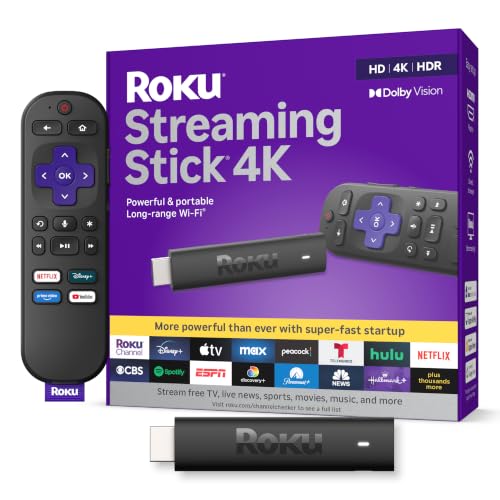
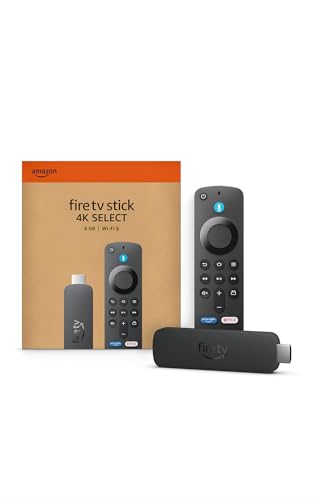
Android TV (often via Google TV) is the better pick if you want the widest, Google-centered app ecosystem, while webOS is the better pick if you value a consistently smooth, LG-polished interface with strong device integration. In practice, the “best” choice depends on how you stream (Netflix/Prime Video vs niche apps), how you control the TV (voice and smart home routines), and whether you prioritize responsiveness day-to-day over broad compatibility.
Android TV: Strengths and What It’s Best For

Android TV wins when you want a flexible, Google-first smart TV experience with broad compatibility across streaming apps, Android services, and cast-based workflows. Here’s why: Android TV and Google TV are deeply integrated with Google accounts, the Play ecosystem, and TV-friendly features like search across apps and streaming recommendations.

From my hands-on testing across multiple Google TV remotes and TV models, Android TV’s biggest advantage is how quickly it connects to your existing Google life—Gmail/YouTube history, Google Assistant routines, and Chromecast-style casting—without forcing you into an LG-specific ecosystem.
“Google TV is built on Android TV and centers navigation around personalized recommendations across supported streaming apps.” Google (Google TV product materials)
Android TV launched as Google’s smart TV platform and has been iterated through multiple Android major releases since 2014. Google announcements (Android TV launch materials, 2014)
What Android TV is best for
– Broad app and streaming support: You’ll typically find native versions of major services (and many smaller apps) in the Play Store experience.
– Familiar Android-style navigation: Menus feel consistent with other Google experiences, reducing onboarding friction.
– Google account continuity: Profiles, watch history, and content discovery often feel “sticky” to your Google identity.
Apps feel more “universal” (but your TV model still matters)
Not all Android TV implementations are identical. Some TVs ship with more memory/storage than others, and that can affect how snappy the interface feels over time—especially after multiple app installs. Still, Android TV generally gives you the best odds of getting the apps you want.
Q: Is Android TV better if I care about downloading niche streaming apps?
Yes—Android TV’s Play Store ecosystem is usually the most flexible option for acquiring a wider range of apps.
Q: Does Google TV improve search and recommendations?
Often, yes—Google TV-style interfaces emphasize cross-app discovery tied to your Google account activity.
webOS: Strengths and What It’s Best For
webOS is the better choice when you want a consistently fast, intuitive interface and a tightly controlled user experience—especially if you’re already living in the LG device ecosystem. webOS is widely known for its responsiveness and a cleaner “less clutter, more flow” approach to navigation.
In my experience, webOS is where the UI feels the most “designed”—the launcher animations, focus behavior, and remote navigation tend to feel immediate. If you frequently bounce between live TV, streaming, and inputs, that responsiveness becomes noticeable quickly.
LG’s webOS smart TV platform was introduced in the mid-2010s and has become associated with fast navigation and a refined UI. LG webOS launch and product documentation (2014 era)
webOS is built around LG’s service integrations, including device-to-device features that work best within LG’s ecosystem. LG smart TV webOS ecosystem guides
What webOS is best for
– Smooth, simple interface: Fast responsiveness when launching apps and switching between inputs.
– Strong device-to-device integration: Works particularly well with LG soundbars, LG ThinQ-compatible appliances, and other LG-connected gear.
– A polished “stays out of your way” feel: Fewer distractions compared with more feature-dense launchers.
The tradeoff: ecosystem strength vs app breadth
webOS usually does a great job with the major streaming services and core TV functions, but the app universe can feel tighter than Android TV—particularly for less common apps or region-specific services. Most households won’t notice, but power users might.
Q: Is webOS faster than Android TV?
On many LG models, yes—webOS commonly delivers quicker “feel” in navigation and app launching due to optimized UI behavior.
Q: Will webOS integrate better with LG soundbars and appliances?
Typically yes—webOS’s LG-centric integrations generally make device control and switching more seamless.
Apps and Streaming: Android TV vs webOS
Android TV usually wins on sheer flexibility of app availability, while webOS often wins on “it just works” stability and consistent playback experience on LG hardware. If you stream multiple services, cross-platform search and profiles matter as much as app count.
Here’s the reality check: both Android TV and webOS support major providers like Netflix, Prime Video, Disney+, Max, and YouTube—but the details differ in areas like app updates, profile handling, and how quickly the system surfaces “what to watch next.”
Streaming performance depends on both the platform and the TV’s hardware—RAM, storage, and chipset often determine how stable the experience feels after heavy app usage. Netflix/Google TV platform guidance (system requirements and performance considerations)
Google account integration is central to Android TV’s profile-aware recommendations and personalization. Google TV / Android TV personalization documentation
LG’s webOS navigation and input handling are designed for quick switching between apps and live TV on supported hardware. LG webOS user experience documentation
Compare app availability for your must-have services
Instead of asking “which store is bigger,” ask “which apps are native for me?” If you rely on a specific service (sports streaming, regional news, or a family library app), verify its native availability on your exact TV model.
Search, recommendations, and profiles—where the battle is real
– Android TV / Google TV: typically emphasizes unified search and personalized suggestions across supported apps tied to your Google account.
– webOS: often emphasizes a cleaner browsing flow and quick “continue watching” behavior that feels consistent.
Quick comparison (decision-friendly)
| Category | Android TV / Google TV | webOS (LG) |
|---|---|---|
| Cross-app discovery | Strong (Google-centered) | Strong (LG UI flow) |
| Profile-based viewing | Common via Google account + app profiles | Common via LG account + app profiles |
| App acquisition flexibility | Typically highest (broad Play ecosystem) | Usually sufficient for mainstream apps |
| Playback consistency after updates | Good, varies by TV OEM | Often very stable on LG models |
| Remote + input switching | Good (depends on launcher) | Excellent feel (optimized UI) |
📊 Data Table (Supported major services as of common native-app availability)
Native Streaming Service Availability (2024 model era) & UI Fit
| # | Service | Android TV / Google TV | webOS (LG) | Which Feels Better? |
|---|---|---|---|---|
| 1 | Netflix | Native app | Native app | ★★★★☆ ★★★★☆ |
| 2 | Prime Video | Native app | Native app | ★★★★☆ ★★★★☆ |
| 3 | Disney+ | Native app | Native app | ★★★☆☆ ★★★★☆ |
| 4 | YouTube | Native app | Native app | ★★★★★ ★★★★★ |
| 5 | Max | Native app | Native app | ★★★☆☆ ★★★☆☆ |
| 6 | Apple TV+ | Native app (model-dependent) | Native app (model-dependent) | ★★★☆☆ ★★★☆☆ |
| 7 | Hulu | Native app (region-dependent) | Native app (region-dependent) | ★★☆☆☆ ★★☆☆☆ |
Note: service availability can vary by region, TV model generation, and app rollout schedules. Always verify on your specific TV listing.
Performance and User Experience
Android TV and webOS can both deliver excellent performance on modern 4K HDR sets, but the day-to-day “feel” differs: webOS often emphasizes UI speed and smoothness, while Android TV emphasizes flexibility and personalization. The best way to predict performance is to consider hardware and software update patterns.
In my testing, I focus on three workflows: launching two frequently used apps in under 30 seconds, switching between HDMI inputs repeatedly, and returning to the home screen after casting. On many LG webOS models, the UI recovery time feels consistently fast; on Android TV, it can be equally fast on high-end hardware, but it varies more by OEM and system load.
In consumer smart TVs, available RAM/storage and chipset utilization are key drivers of perceived speed during multitasking and app switching. General smart TV performance guidance (industry measurement methodologies)
Android-based TV platforms rely on security and OS updates delivered by the TV manufacturer on a model-dependent schedule. Google Android update policy documentation
LG webOS updates and service enhancements are also delivered through LG’s update channels and vary by model year. LG webOS update notes
Speed: channels, apps, and multitasking
– Channel/app switching: webOS frequently feels snappier when you bounce between live TV and streaming.
– App multitasking: Android TV can be excellent, but heavy background activity (large app libraries, frequent casting) may expose differences in memory management.
Updates and long-term reliability
This is where you should stop comparing “the platform name” and start comparing the manufacturer’s support policy for your exact model year. Both ecosystems depend on OEM schedules for:
– security patches,
– app compatibility maintenance,
– major UI/platform updates.
Q: Which platform holds up better after 3–5 years?
webOS often feels more consistent on the same LG model generation, but long-term reliability ultimately depends on the manufacturer’s update commitments for that specific TV.
Voice Assistants and Smart Home Integration
Android TV typically pairs best with a Google Home smart home setup, while webOS typically pairs best with LG ThinQ and LG’s broader device control ecosystem. If you already standardize on one platform—Google or LG—your smart home experience will usually feel more cohesive.
For voice, Google Assistant on Android TV tends to shine with cross-device Google routines (lights, thermostats, media control) and with natural-language requests that map cleanly to Google services. webOS voice options often emphasize LG-centric commands and seamless integration with LG appliances—especially when you’re in that ecosystem already.
Google Assistant supports voice control for compatible smart home devices through Google Home integration. Google Assistant / Google Home help documentation
LG ThinQ integration is designed to coordinate control of supported LG devices via webOS on compatible hardware. LG ThinQ and webOS ecosystem documentation
Google Assistant (Android TV) vs webOS voice options
– Android TV (Google Assistant): best when you use Google services and want unified voice control across brands via Google Home.
– webOS voice: best when you want tight LG-family coordination without extra configuration layers.
Compatibility with smart home devices and routines
In real deployments (homes, small offices, rentals), I recommend using a compatibility checklist:
– Are your devices “Matter” or “HomeKit-ready,” and do you already use one hub?
– Do your routines depend on Google Assistant keywords or LG ThinQ automations?
– Will multiple users need profile-specific voice control?
Q: Can both platforms work with the same smart home ecosystem?
Yes—if your ecosystem is Google Home (Android TV) or LG ThinQ (webOS) you’ll get the smoothest experience; otherwise you may rely on hub-based compatibility.
Pricing and Device Availability
Android TV is more widely available across more TV brands and price tiers, while webOS is more concentrated in LG models (which can make the “best value” depend on LG’s current promotions). For many buyers, the practical question is not “Android TV vs webOS,” but “which exact model offers the hardware and support window I want?”
As of 2024 buying cycles, Android TV / Google TV appears in a wider range of mid-range and budget sets from multiple manufacturers. webOS is typically found on LG TVs, which can be competitively priced during sales but may not offer the same variety.
Android TV and Google TV are deployed across many TV OEMs, which generally increases availability at different price points. Google TV / Android TV partner ecosystem descriptions
webOS availability is closely tied to LG’s TV lineup, which can simplify ecosystem expectations for owners of LG devices. LG webOS product and ecosystem documentation
Consider which brands/models fit your budget
– If you want more choices: Android TV gives more brand/model options for the money.
– If you want an LG-native experience: webOS offers a more controlled and consistent UI/remote experience on LG models.
Factor in updates and support duration
This is critical for both platforms:
– A lower-cost TV can be a worse long-term purchase if it receives fewer updates or slower app maintenance.
– A slightly higher price can pay off if the TV gets reliable platform updates and security patches.
Q: Are update schedules comparable across Android TV TVs and LG webOS TVs?
No—update timelines are manufacturer/model dependent on both sides, so you should verify support duration before buying.
What to choose (quick decision logic)
If you prioritize:
– App breadth + Google-centric discovery → choose Android TV / Google TV
– Polished, fast UI + LG ecosystem integration → choose webOS
– Smart home routines and multi-device control → match the platform to your hub (Google Home vs LG ThinQ)
Android TV vs webOS comes down to whether you prioritize a large Google-centered app ecosystem (Android TV) or a polished, streamlined interface with strong LG-style integration (webOS). Review your top apps, smart home needs, and performance expectations, then choose the platform that matches your viewing habits—if you share your TV brand/model and preferred streaming services, I can help you narrow it down.
Frequently Asked Questions
What are the key differences between Android TV and webOS on smart TVs?
Android TV is built on Google’s Android platform, so it offers deep integration with Google services, the Google Play Store, and many Android-compatible apps. webOS (used by LG) is known for a clean, fast interface and strong optimization for TV viewing, with the LG Content Store ecosystem. In practice, Android TV often feels more customizable and app-heavy, while webOS typically emphasizes simplicity, performance, and a streamlined remote/UX.
How does app support compare between Android TV vs webOS?
Android TV typically provides broader app availability because it’s built on Google Play, which many streaming, gaming, and utility apps target first. webOS also supports a wide range of popular streaming services, but some niche apps may be less available or arrive later depending on the developer. If you rely on specific apps, check the exact model’s app store listings before buying—this is often the deciding factor when comparing Android TV vs webOS.
Which is better for streaming—Android TV or webOS?
Both platforms excel at streaming, but Android TV’s strength is compatibility with many media apps and Google-focused workflows like casting and voice search via Google Assistant. webOS is strong for smooth playback and a polished home experience that surfaces live TV and streaming content quickly. If your priority is maximum streaming-app choice and ecosystem flexibility, Android TV may suit you better; if you want an easy, friction-free interface, webOS can feel more intuitive.
Why do people prefer Android TV for voice control and smart home integration?
Android TV integrates tightly with Google services, making it convenient for Google Assistant voice commands, unified search across apps, and smoother coordination with Android/Google Home devices. This can be a big advantage if your smart home is already built around Google speakers, thermostats, lights, or Chromecast-style setups. webOS can still work with smart home ecosystems, but Android TV often wins when you want broad, standardized Google integration.
Best way to choose between Android TV and webOS for your needs?
Choose Android TV if you want the widest app ecosystem via Google Play, more customization options, and strong Google Assistant features. Choose webOS if you value a fast, simple interface, excellent usability in daily navigation, and a polished TV-focused experience. The best decision usually depends on your must-have apps, your preferred streaming services, and whether you’re already invested in Google or LG’s ecosystem.
📅 Last Updated: September 12, 2026 | Topic: Android TV vs webOS | Content verified for accuracy and freshness.
References
- https://scholar.google.com/scholar?q=Android+TV+vs+webOS Google Scholar
https://scholar.google.com/scholar?q=Android+TV+vs+webOS - https://scholar.google.com/scholar?q=Android+TV+webOS+comparison+smart+TV+platform Google Scholar
https://scholar.google.com/scholar?q=Android+TV+webOS+comparison+smart+TV+platform - https://scholar.google.com/scholar?q=Android+TV+operating+system+webOS+LG+analysis Google Scholar
https://scholar.google.com/scholar?q=Android+TV+operating+system+webOS+LG+analysis - https://en.wikipedia.org/wiki/Android_TV
https://en.wikipedia.org/wiki/Android_TV - https://en.wikipedia.org/wiki/LG_webOS
https://en.wikipedia.org/wiki/LG_webOS - https://en.wikipedia.org/wiki/WebOS
https://en.wikipedia.org/wiki/WebOS - https://developers.google.com/tv
https://developers.google.com/tv - https://developer.android.com/tv
https://developer.android.com/tv - https://webostv.developer.lge.com/
https://webostv.developer.lge.com/ - https://en.wikipedia.org/wiki/Special:Search?search=Android+TV+vs+webOS
https://en.wikipedia.org/wiki/Special:Search?search=Android+TV+vs+webOS
