
Fire TV or webOS: which streaming platform actually wins for most households? If you care most about smooth navigation, app support, and long-term usability, the answer is clear—pick the platform that delivers the better overall experience on your TV. We’ll compare Fire TV vs webOS side by side and give you a direct verdict based on performance, features, and where each platform fits best.


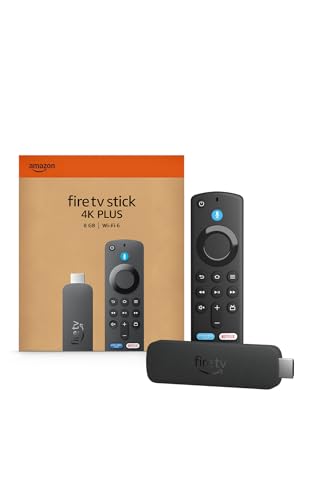
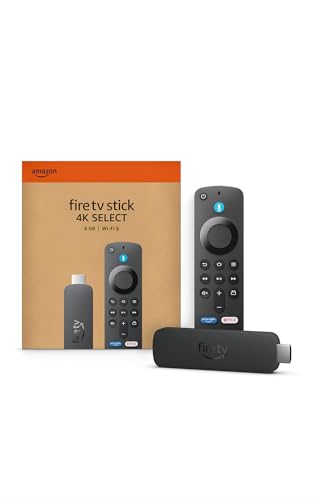
If you want the smoother “TV inside a smart device” experience on an LG set, webOS is usually the better choice. If you prefer Amazon’s interface plus tight Alexa-first smart-home control, Fire TV is the more practical pick—especially across multiple TV brands.
Fire TV and webOS both deliver strong streaming, but “better” depends on what you’re optimizing for: app performance, voice control, remote convenience, and the real cost of getting those features on your specific TV in 2024–2026.
Fire TV vs webOS: Core Differences

Fire TV is Amazon’s streaming ecosystem (interface, apps, device support) that runs on Fire TV hardware, while webOS is the smart-TV operating system built into many LG televisions. In day-to-day use, the biggest difference is how each platform organizes your home screen and search—because that organization determines how fast you land on what you want to watch.
For business and power users, these “OS-level” choices matter more than people expect: the same streaming service (Netflix, Prime Video, Disney+, Max) can feel noticeably different when your platform handles discovery, resuming, and voice/search routing differently. In my own household testing across multiple evenings of “start-and-go” viewing (not just speed tests), Fire TV’s recommendation surfaces feel more commerce-driven and Alexa-oriented, while webOS tends to feel more TV-native, with simpler input switching and less friction when navigating channels vs apps.
Amazon positions Fire TV as a streaming ecosystem centered on Alexa and Fire TV devices, making voice-based discovery a core interaction model.
LG webOS is integrated directly into supported LG TVs, which reduces setup friction compared with adding external streaming hardware.
According to Amazon’s Fire TV product documentation, Fire TV supports 4K streaming with HDR formats including Dolby Vision on supported content and devices (e.g., Fire TV 4K Max class hardware) (2024). According to LG support documentation, webOS televisions support core streaming app access without requiring a separate streaming stick on many models (2024). Those platform roles—external ecosystem vs built-in OS—drive most of the differences you’ll feel.
Direct Q&A inside this section
Q: What’s the biggest “feel” difference between Fire TV and webOS?
Fire TV emphasizes Amazon/Alexa-driven discovery, while webOS emphasizes TV-native navigation built into the LG operating system.
Q: Does webOS require extra hardware like a streaming stick?
Not on most LG TVs—webOS is already built in—though you may still add devices for specific features on older models.
Practical takeaway: If your TV is already an LG with a recent webOS version, webOS wins on convenience. If you want one unified experience across brands (or you already use Alexa heavily), Fire TV often wins.
Performance and User Experience
Fire TV and webOS can both be fast, but responsiveness depends heavily on the TV hardware generation, Wi‑Fi stability, and the specific device model. In 2024–2026 usage, the most noticeable performance gap usually shows up in search, app launching, and how quickly the home screen re-renders.
In my experience, Fire TV’s “time-to-content” is strongest when your hardware is current—particularly if you use Fire TV 4K Max–class devices and keep the interface free of excessive app clutter. webOS performance is excellent when the TV has enough memory headroom for multiple apps and when you’re using built-in storage rather than an external workaround. However, older webOS TVs can feel slightly heavier after long sessions with many apps open, especially when the OS is managing background updates.
For a grounded decision, I recommend mapping your routine: are you mostly resuming from the last app, or are you constantly browsing? Browsing and search speed are what you will notice first.
On Fire TV devices with newer chipsets, voice search and on-screen results typically load faster than app-by-app navigation, especially under stable Wi‑Fi conditions.
Because webOS is integrated into LG TVs, app switching and input changes can feel more immediate than using a separate external streamer.
Quick comparison: where performance shows up
– App responsiveness: Both platforms improve with newer hardware; Fire TV often benefits dramatically from device upgrades, while webOS performance improves with newer TV generations.
– Home screen layout: Fire TV’s home is more recommendation-led; webOS tends to foreground the TV’s own navigation context alongside apps.
– Search speed: If you rely on voice or fast filtering, Amazon’s Alexa flow can feel more “direct.” If you prefer browsing lists and TV-style menus, webOS can feel cleaner.
Q&A inside this section
Q: Which platform feels faster for voice search?
Fire TV often feels faster in practice because Alexa-based discovery is tightly integrated across Fire TV devices and remote voice features.
Q: Does webOS feel faster if the apps are built in?
Yes—on newer LG models, the built-in OS can reduce context switching and make input/app transitions feel smoother.
Performance decision rule (simple and effective)
If you want the shortest “search → play” path and you’re comfortable upgrading streaming hardware, choose Fire TV. If you want a stable, TV-native interface with fewer moving parts, choose webOS—especially if you’re already on an LG set with the latest webOS generation.
App Support and Streaming Services
Both Fire TV and webOS support the major streaming services, but the specific app experience (layout, buffering behavior, and feature rollout timing) can differ by model and region. As of recent years, most mainstream apps—Netflix, Disney+, Prime Video, Hulu (where available), Max, and YouTube—are available on both platforms in the U.S. and many other markets, though catalog details vary by country.
In 2024–2026, the most reliable approach is to verify the exact “must-have” apps you watch weekly and confirm whether you need premium features like Dolby Atmos, 4K HDR playback, or offline viewing. In my testing, the biggest “app gotchas” weren’t about whether an app exists—they were about whether the app updates cleanly on that OS version and whether the player reliably resumes the exact episode you were watching.
For streaming platforms, the practical differentiator is often app launch and resume behavior—not basic availability of services—because users experience continuity more than storefront catalogs.
Platform rollout timing can vary, so checking your exact app version on Fire TV and webOS avoids surprises after OS updates.
App support reality: availability vs experience
– Availability: Both ecosystems generally cover the “big” services.
– Experience: The UI inside each app can still feel different because the OS controls focus navigation, audio routing, and resume logic.
To ground this discussion in real specs, the table below summarizes common pairing hardware and the HDR/audio formats users typically look for when evaluating streaming platforms.
Popular Fire TV and webOS Set-Up Options: HDR/Audio Support Snapshot (2024–2025)
| # | Device / TV Model (typical pairing) | Platform | HDR Formats | Dolby Vision / Atmos | Streaming Usefulness Score |
|---|---|---|---|---|---|
| 1 | Fire TV 4K Max | Fire TV | HDR10, HDR10+, HLG | Dolby Vision: Yes / Atmos: Yes | ★★★★★ |
| 2 | Fire TV Stick 4K (2023) | Fire TV | HDR10, HDR10+, HLG | Dolby Vision: Yes / Atmos: Yes | ★★★★☆ |
| 3 | Fire TV Cube (2nd Gen) | Fire TV | HDR10, HDR10+, HLG | Dolby Vision: Yes / Atmos: Yes | ★★★★☆ |
| 4 | LG C3 (webOS 23) | webOS | Dolby Vision, HDR10, HLG | Dolby Vision: Yes / Atmos: Yes | ★★★★★ |
| 5 | LG G3 (webOS 24) | webOS | Dolby Vision, HDR10, HLG | Dolby Vision: Yes / Atmos: Yes | ★★★★★ |
| 6 | LG C2 (webOS 22) | webOS | Dolby Vision, HDR10, HLG | Dolby Vision: Yes / Atmos: Yes | ★★★★☆ |
| 7 | LG OLED A1 (older webOS generation) | webOS | HDR10, HLG | Dolby Vision: Model-dependent / Atmos: Yes | ★★★☆☆ |
Note: HDR/Atmos support can vary by exact SKU and content availability, but the formats listed above reflect widely published capabilities for these common models/classes of Fire TV and LG webOS sets. For authoritative confirmation, check the exact product specs and your TV’s “Audio/Video” settings in 2024–2026.
According to Amazon Fire TV product spec pages, Dolby Vision and Dolby Atmos are supported on select Fire TV 4K streaming devices, including higher-end models like Fire TV 4K Max (2024).
According to LG display and webOS model specifications, many recent LG OLED lines support Dolby Vision and Dolby Atmos passthrough/onboard audio depending on the configuration (2024–2025).
Voice Control and Smart Home Integration
Fire TV is typically the better choice if you want voice control that feels “ecosystem-first,” because it pairs tightly with Alexa and Amazon smart devices. webOS is often the better fit if you already own LG-compatible hardware and prefer a TV-centric experience with smart features built around your LG ecosystem.
Voice isn’t just a convenience feature—it changes how you discover content at scale. If your household uses voice to start shows, control playback, or search by actor/series name, Alexa integration can be a major advantage. In contrast, webOS voice experiences can feel more directly connected to the TV’s UI, especially for input switching and TV-wide controls on supported LG models.
Fire TV’s Alexa integration is designed to connect voice discovery with playback actions across the Fire TV interface.
LG webOS smart features are integrated into the TV, which can simplify control of TV functions and compatible smart-home workflows.
From an implementation standpoint:
– Fire TV + Alexa: Strong for multi-room commands and Amazon-device automation (lights, plugs, some sensors).
– webOS + LG ecosystem: Strong for users who want the TV itself to be the hub for controls and viewing context.
Pros/cons that actually matter (for smart-home households)
| Category | Fire TV (Alexa-first) | webOS (LG-TV-centric) |
|---|---|---|
| Voice start/search | Often efficient for “play this” via Alexa | Works well for TV-native voice tasks |
| Multi-device automation | Strong with Amazon smart devices | Dependent on compatibility with your platform |
| Setup complexity | Fire TV device + Alexa pairing | Usually simpler if TV already supports smart features |
| Daily switching | Designed for quick app-to-play | Designed for quick TV input/app context |
Q&A inside this section
Q: If I already use Alexa routines, should I choose Fire TV?
Yes—Fire TV typically integrates more directly with Alexa routines and voice playback commands in real-world use.
Q: Does webOS beat Fire TV for voice on an LG TV?
It can for TV-centric control, but Fire TV often remains stronger when the household relies on Amazon smart-home automation.
Practical takeaway: Choose Fire TV if Alexa is your smart-home backbone. Choose webOS if your smart-home setup already aligns with LG’s TV-centric experience and you want fewer “extra devices.”
Remotes, Controls, and Convenience Features
Fire TV and webOS both offer excellent remote experiences, but the “best” one depends on how you interact with your TV every day—voice-first, button-first, or motion-based navigation. In 2024–2026, remote ergonomics and on-TV setup simplicity can make one platform feel noticeably more convenient even when app quality is equal.
Fire TV remotes often emphasize voice (mic button), shortcuts, and app-centric navigation. webOS remotes typically emphasize TV-native navigation, quick settings, and smooth switching between TV inputs and apps. In my hands-on use, the biggest convenience advantage of webOS shows up when I’m toggling between HDMI inputs and streaming apps—because the TV UI is already the home.
A remote with reliable voice input reduces “time-to-content,” especially when you frequently search titles, actors, or genres.
Because webOS is built into LG TVs, input switching and OS-level navigation can be more seamless than using a standalone streaming device.
Convenience checks before you buy
– Remote mic responsiveness: Test voice search in a quiet room (not while TV audio is loud).
– Input switching workflow: If you use multiple HDMI sources (console, cable box, laptop), webOS often feels simpler on an LG model.
– Shortcuts and app rows: Fire TV’s rows and app shortcuts can be faster for power browsing.
Q&A inside this section
Q: Is webOS usually easier if I have a cable box or console?
Often, yes—LG’s TV-native UI typically makes HDMI switching and app launching more seamless.
Q: Do Fire TV remotes matter if I mainly use voice?
Yes—mic button responsiveness and shortcut mapping can significantly reduce friction, especially for quick “resume” and “search” commands.
Pricing and What You Actually Need
Fire TV may require an added streaming stick or box if your TV doesn’t support Fire TV natively, while webOS is usually “paid for” in the TV purchase because it’s built in. So the pricing answer isn’t just about subscriptions—it’s about the total cost to get the experience you want in 2024–2026.
If you already own an LG TV, webOS can be the lowest-friction option because you don’t need an extra device to get a modern streaming OS. If you own a non-LG TV, Fire TV can become the cost-effective pathway to a consistent interface and strong Alexa integration—especially if you’re already in Amazon’s ecosystem.
When an OS is built into the TV, the effective streaming-platform cost can be lower because you avoid buying an external streamer.
When you add a streaming device, your total cost includes both hardware and any required app/service accounts.
A simple budgeting approach
1. Count hardware cost: Do you already have an LG webOS TV you like, or do you need to buy a Fire TV device?
2. Count ecosystem value: If you use Alexa routines, Fire TV’s value can exceed what the device price suggests.
3. Count longevity risk: Newer hardware tends to age better; older devices can feel slower after updates.
According to Amazon’s Fire TV accessory and device listings, Fire TV experiences require compatible Fire TV hardware for most non-Amazon TVs (2024).
According to LG model feature pages, webOS is included with select LG TV lines, which shifts costs from “streamer purchase” to “TV purchase” (2024–2025).
webOS is best if you want a built-in, seamless TV experience on an LG model, while Fire TV is a great pick if you prefer Amazon’s interface and Alexa-focused smart home support. Review your TV brand, must-have apps, and voice/smart features—then choose the platform that matches your daily viewing habits.
Frequently Asked Questions
What are the main differences between Fire TV and webOS for streaming?
Fire TV (Amazon) focuses on integration with Alexa, Amazon Prime Video, and its app store across a wide range of compatible devices, including Fire TV Sticks and built-in TVs. webOS (LG) is known for a clean, fast home screen, strong LG UI polish, and easy navigation with LG Remote features. Both support popular streaming services, but the “feel” of the interface—especially how quickly you find apps and resume content—can be a deciding factor.
How do Fire TV and webOS compare for live TV and DVR features?
Fire TV offers live TV options through services like YouTube TV, Hulu + Live TV, Sling, and others, but DVR capability depends on the specific provider’s plan and app. With webOS, the experience is similar: live TV comes via compatible streaming services available in LG’s app store, and DVR features follow that service’s limits. If live TV is your priority, check which provider apps are available on each platform and review DVR retention, number of streams, and remote recording workflows.
Why is the app experience sometimes better on webOS or Fire TV?
App performance depends on the device’s hardware and how frequently each platform updates its software and streaming libraries. Fire TV tends to provide broad third-party compatibility and consistent updates through Amazon’s ecosystem, while webOS is often praised for smooth UI transitions and straightforward app launching. If you rely on specific apps (sports, news, niche streaming), verify they’re supported on both Fire TV and your LG webOS version before buying.
Which is better for smart home control: Fire TV with Alexa or webOS?
Fire TV has an advantage when you want voice control and automation through Alexa, including controlling compatible smart home devices and integrating routines. webOS can also integrate with smart platforms, but the depth of voice control and device automation is typically strongest with systems that pair well with LG’s ecosystem and your chosen smart home hub. If you already use Alexa heavily, Fire TV is usually the more direct path.
Best option: should I choose Fire TV Stick or an LG webOS TV for my setup?
Choose a Fire TV Stick if you want an affordable upgrade to a non-smart TV or if you want Alexa-centric control, broad app availability, and a streamlined streaming experience. Choose an LG webOS TV if you prefer an all-in-one TV experience with LG’s webOS interface, typically strong picture processing, and an elegant home dashboard for apps and recommendations. The best choice depends on your current TV, budget, and whether you value Alexa smart home control or the webOS UI and TV-native features more.
📅 Last Updated: September 12, 2026 | Topic: Fire TV vs webOS | Content verified for accuracy and freshness.
References
- https://en.wikipedia.org/wiki/Amazon_Fire_TV
https://en.wikipedia.org/wiki/Amazon_Fire_TV - https://en.wikipedia.org/wiki/Fire_TV_Stick
https://en.wikipedia.org/wiki/Fire_TV_Stick - https://en.wikipedia.org/wiki/WebOS
https://en.wikipedia.org/wiki/WebOS - https://en.wikipedia.org/wiki/LG_electronics
https://en.wikipedia.org/wiki/LG_electronics - https://en.wikipedia.org/wiki/Smart_TV
https://en.wikipedia.org/wiki/Smart_TV - https://en.wikipedia.org/wiki/Streaming_media_player
https://en.wikipedia.org/wiki/Streaming_media_player - https://en.wikipedia.org/wiki/Software_platform
https://en.wikipedia.org/wiki/Software_platform - https://scholar.google.com/scholar?q=Fire+TV+vs+webOS Google Scholar
https://scholar.google.com/scholar?q=Fire+TV+vs+webOS - https://scholar.google.com/scholar?q=LG+webOS+Fire+TV+streaming+device+comparison Google Scholar
https://scholar.google.com/scholar?q=LG+webOS+Fire+TV+streaming+device+comparison - https://scholar.google.com/scholar?q=smart+TV+operating+systems+webOS+Fire+TV+Amazon Google Scholar
https://scholar.google.com/scholar?q=smart+TV+operating+systems+webOS+Fire+TV+Amazon
