
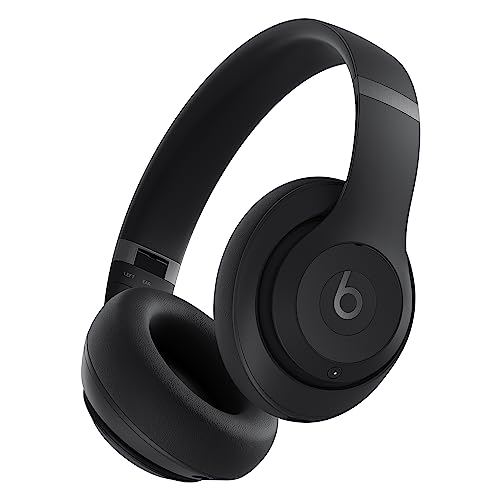
Noise-canceling technology works by using microphones and speakers to detect and counteract ambient sounds, creating a quieter listening environment. This sophisticated technology has transformed the way we experience audio, making it an essential feature in headphones, smartphones, and various audio devices. In this article, you’ll discover how this fascinating technology functions, its various types, and its applications in everyday life.



Understanding Sound Waves
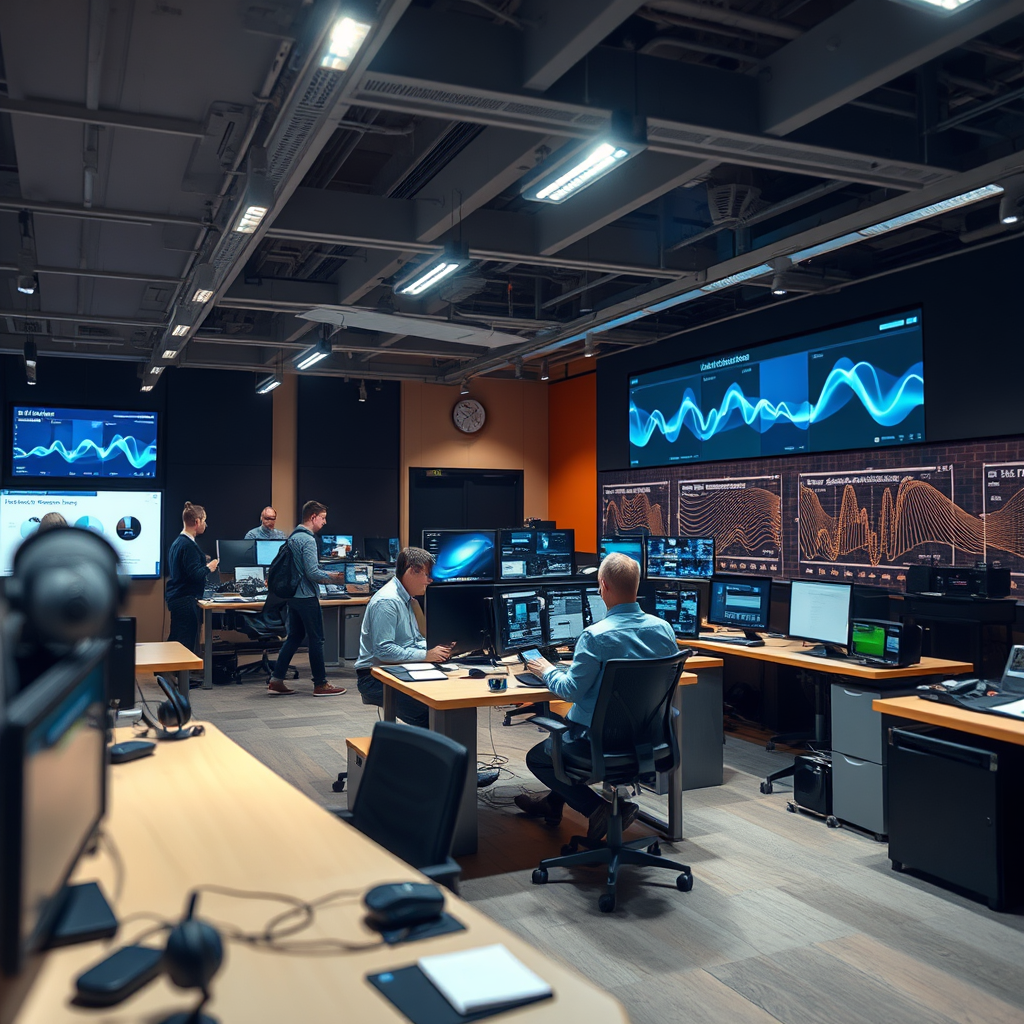
Sound travels in waves, which can be characterized by frequency and amplitude. Frequency refers to the number of cycles per second of a sound wave, measured in hertz (Hz), while amplitude measures the height of the wave, indicating the sound’s loudness. Noise-canceling technology relies on identifying these sound waves—specifically, the unwanted ambient noise—to neutralize it effectively.
When ambient noise is detected, the technology analyzes its frequency and amplitude, allowing it to produce a sound wave that is the exact opposite (or “anti-phase”) of the noise. This process, known as destructive interference, results in the cancellation of the unwanted sound, leading to a quieter environment. Understanding these fundamental aspects of sound waves is crucial for grasping how noise-canceling technology operates.
Active vs. Passive Noise Cancellation
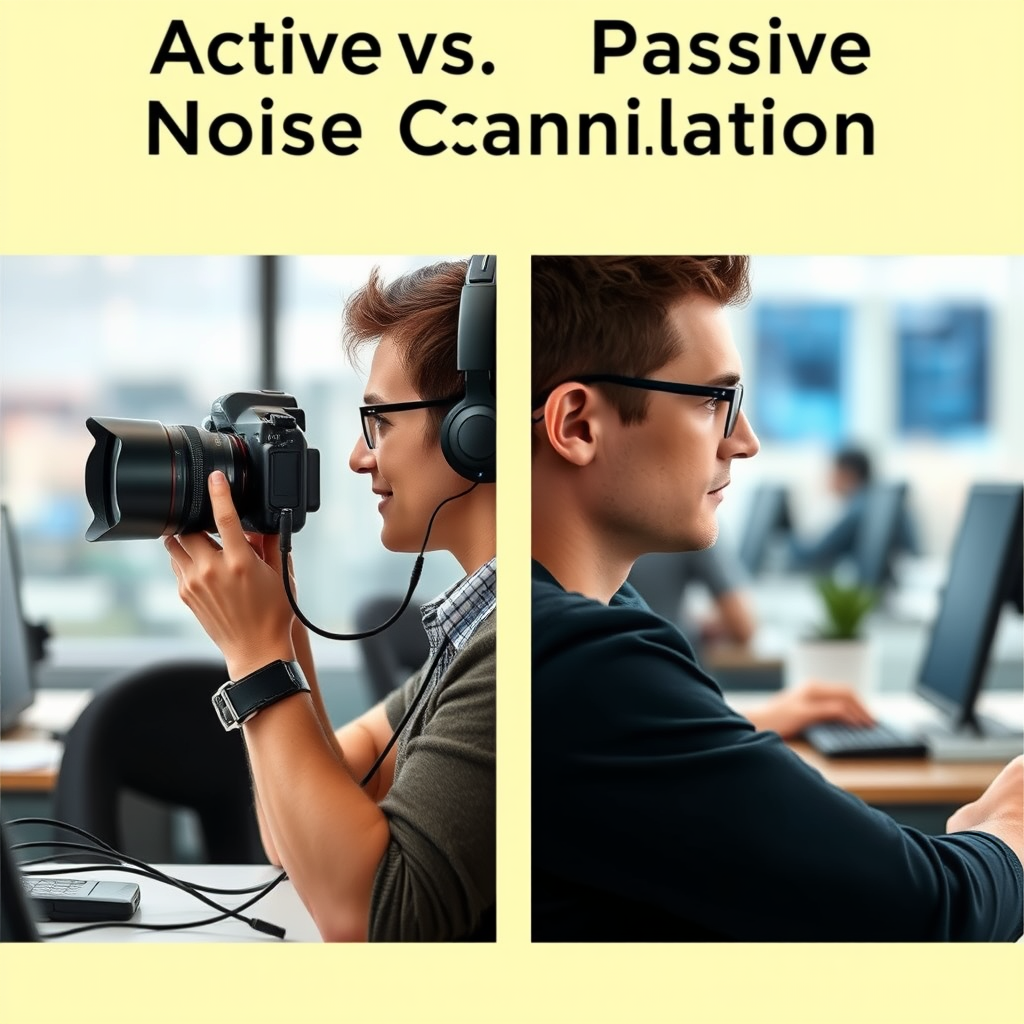
Noise-canceling technology can be broadly categorized into two types: active noise cancellation (ANC) and passive noise cancellation.
– Active Noise Cancellation (ANC): This method employs built-in microphones to pick up environmental sounds. The system then generates sound waves that are the exact opposite of the detected noise. By doing so, it effectively cancels out the unwanted sound, allowing users to enjoy their audio content with minimal disruption. ANC is particularly effective for low-frequency sounds, such as the hum of an airplane or air conditioning units.
– Passive Noise Cancellation: This technique involves sound-isolating materials that physically block external noise. For instance, over-ear headphones use cushioned ear cups to create a seal around the ears, significantly reducing the amount of ambient sound that reaches the listener. While passive cancellation does not actively produce counteracting sound waves, it is highly effective for higher-frequency noises, such as chatter or street sounds.
Both active and passive noise cancellation methods can be used in tandem for maximum effectiveness, providing users with a comprehensive auditory experience.
Components of Noise-Canceling Headphones
Noise-canceling headphones consist of several key components that work together to deliver their noise-cancellation capabilities:
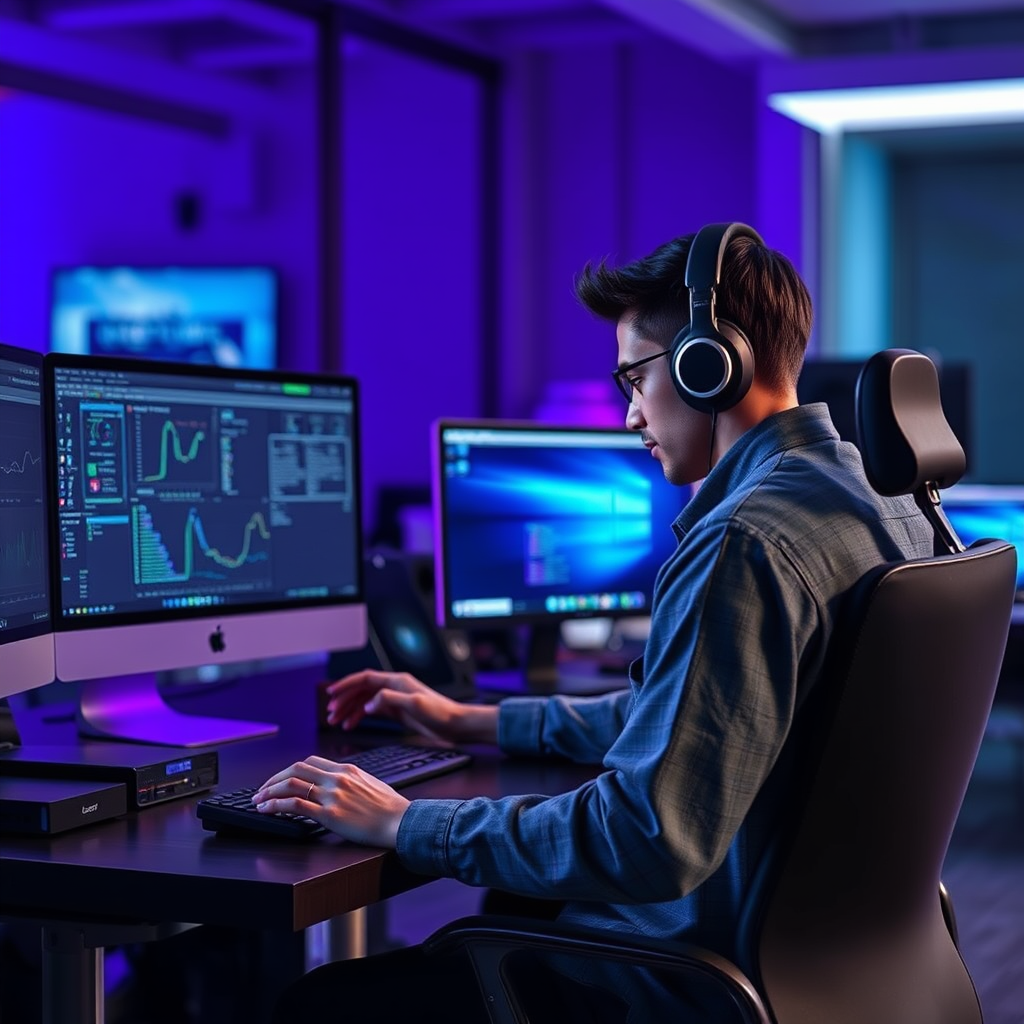
– Microphones: These devices detect external sounds for processing. Noise-canceling headphones typically contain multiple microphones to accurately capture ambient noise from various directions, allowing the system to analyze and counteract it effectively.
– Speakers: Once the external noise is detected, the headphones use speakers to produce counteracting sound waves. This process requires precise timing and sound quality to ensure that the cancellation is effective, resulting in an immersive listening experience.
– Noise-Cancellation Circuitry: This is the brain of the noise-canceling system, processing input from the microphones and controlling the output of the speakers. Advanced algorithms within this circuitry help to enhance the effectiveness of the cancellation process, adapting in real-time to changing noise environments.
📋 DATA
Top Noise-Canceling Headphones Features (2024)
| # | Brand | Noise Cancellation Type | Battery Life | Price (USD) |
|---|---|---|---|---|
| 1 | Sony WH-1000XM5 | Active | 30 hours | $399 |
| 2 | Bose 700 | Active | 20 hours | $399 |
| 3 | Apple AirPods Max | Active | 20 hours | $549 |
| 4 | Sennheiser Momentum 4 | Active | 60 hours | $349 |
| 5 | Jabra Elite 85h | Active | 36 hours | $249 |
| 6 | Anker Soundcore Life Q30 | Active | 40 hours | $89 |
| 7 | Sony WH-CH710N | Active | 35 hours | $199 |
📈 CHART
Noise-Cancellation Effectiveness by Frequency (Hz)
Benefits of Noise-Canceling Technology
The advantages of noise-canceling technology extend beyond mere sound reduction. Here are some key benefits:
– Enhanced Focus and Productivity: By minimizing distractions in noisy environments, noise-canceling technology allows users to concentrate better on their tasks. Whether in an open office, café, or while traveling, the ability to block out background noise can significantly improve work efficiency.
– Improved Audio Quality: Noise-canceling technology enhances the overall audio experience. With reduced ambient noise, users can enjoy music or calls at lower volume levels, protecting their hearing over time. This is particularly beneficial for individuals who frequently listen to music or engage in long phone conversations.
– Comfort and Convenience: Many noise-canceling headphones are designed for comfort, featuring cushioned ear cups and adjustable headbands. This ergonomic design, combined with the auditory benefits, makes them a popular choice for long periods of use.
– Versatility: Noise-canceling technology is not limited to headphones. It can be found in various devices, including smartphones and home audio systems, providing a range of users with improved sound experiences.
Applications Beyond Headphones
While headphones are the most common application of noise-canceling technology, its uses extend far beyond. Some notable applications include:
– Aviation: Noise-canceling technology is extensively used in aviation to reduce noise in aircraft cabins. This enhances passenger comfort during flights, making long journeys more enjoyable.
– Smart Devices: Many modern smartphones integrate noise-canceling features, enhancing call quality by reducing background noise during conversations. This is particularly useful in crowded environments, ensuring clearer communication.
– Home Audio Systems: Noise-canceling technology can improve the listening experience for home audio systems. By minimizing external noise, users can enjoy music or movies without distraction, creating a more immersive experience.
Limitations of Noise-Canceling Technology
Despite its many benefits, noise-canceling technology does have some limitations:
– Not Effective Against All Noise Types: ANC is particularly effective against low-frequency sounds but may struggle with high-frequency noises, such as human voices or certain mechanical sounds. This means that while it can reduce background hums, it may not eliminate all distractions.
– Ear Pressure Sensation: Some users report a sensation of ear pressure when using active noise cancellation. This can be uncomfortable, particularly during extended use. Manufacturers are continually working to minimize this effect, but it remains a concern for some users.
– Cost: High-quality noise-canceling headphones can be more expensive than their non-canceling counterparts. While the investment may be worthwhile for frequent travelers or those who work in noisy environments, it may not be feasible for all consumers.
In summary, noise-canceling technology effectively enhances our auditory experiences by reducing unwanted sounds, proving beneficial in various applications. If you’re considering upgrading your audio gear, explore options that feature this technology to enjoy a quieter, more immersive environment.
Frequently Asked Questions
What is noise-canceling technology and how does it work?
Noise-canceling technology uses microphones to pick up ambient sounds, which are then processed by the headphones or earbuds. The device generates sound waves that are the exact opposite (anti-phase) of the detected noise, effectively canceling it out. This technology enhances audio experiences by reducing unwanted background noise.
How effective is active noise-canceling compared to passive noise isolation?
Active noise-canceling (ANC) is generally more effective than passive noise isolation because it targets specific frequencies of noise, particularly low-frequency sounds like engine rumble. While passive noise isolation relies on physical barriers to block sound, ANC actively reduces noise, providing a quieter listening environment. Users often find that ANC headphones offer a superior experience in noisy settings.
Why do some noise-canceling headphones not completely block out all sounds?
Some noise-canceling headphones may not completely eliminate all sounds because they are designed to target specific frequency ranges, primarily low-frequency noises. High-frequency sounds, such as human voices or alarms, may still penetrate due to their different sound wave properties. Therefore, while ANC can significantly reduce background noise, it may not be effective against all sound types.
What are the best noise-canceling headphones for travel?
The best noise-canceling headphones for travel typically include features like long battery life, lightweight design, and comfortable fit. Popular options among travelers are the Sony WH-1000XM5 and Bose Noise Cancelling Headphones 700, both offering excellent noise reduction and sound quality. These headphones help create a more peaceful travel experience by blocking out engine noise and chatter.
Which environments benefit most from noise-canceling technology?
Noise-canceling technology is particularly beneficial in environments with consistent background noise, such as airplanes, trains, and busy offices. In these settings, ANC headphones can significantly enhance focus and relaxation by minimizing distractions. Users can enjoy their music, podcasts, or work without the interference of ambient sounds, making it a valuable tool for productivity and comfort.
References
- Active noise control
https://en.wikipedia.org/wiki/Noise_cancellation - https://www.sciencedirect.com/science/article/pii/S2351978917300031
https://www.sciencedirect.com/science/article/pii/S2351978917300031 - https://www.ncbi.nlm.nih.gov/pmc/articles/PMC6730488/
https://www.ncbi.nlm.nih.gov/pmc/articles/PMC6730488/ - https://www.ncbi.nlm.nih.gov/pmc/articles/PMC4989688/
https://www.ncbi.nlm.nih.gov/pmc/articles/PMC4989688/ - https://www.ncbi.nlm.nih.gov/pmc/articles/PMC5642520/
https://www.ncbi.nlm.nih.gov/pmc/articles/PMC5642520/ - Pap smear: Do I need one if I’m a virgin? – Mayo Clinic
https://www.mayoclinic.org/healthy-lifestyle/adult-health/expert-answers/noise-canceling-headphones/faq-20057782 - https://www.bbc.com/future/article/20200130-how-noise-cancelling-headphones-work
https://www.bbc.com/future/article/20200130-how-noise-cancelling-headphones-work - https://pubmed.ncbi.nlm.nih.gov/26464390/
https://pubmed.ncbi.nlm.nih.gov/26464390/ - Google Scholar Google Scholar
https://scholar.google.com/scholar?q=How+Noise-Canceling+Technology+Actually+Works - Google Scholar Google Scholar
https://scholar.google.com/scholar?q=Noise+Cancellation+Mechanisms+and+Applications
