
Achieving a balanced and accurate sound field in your audio setup is essential for any audiophile or casual listener who values high-quality audio. This can be accomplished by carefully considering speaker placement, room acoustics, and calibration techniques. By implementing strategic measures, you can create an immersive listening experience that faithfully reproduces your audio content. In this article, you will learn the essential steps to optimize your audio setup for the best sound performance.




Understanding Sound Fields
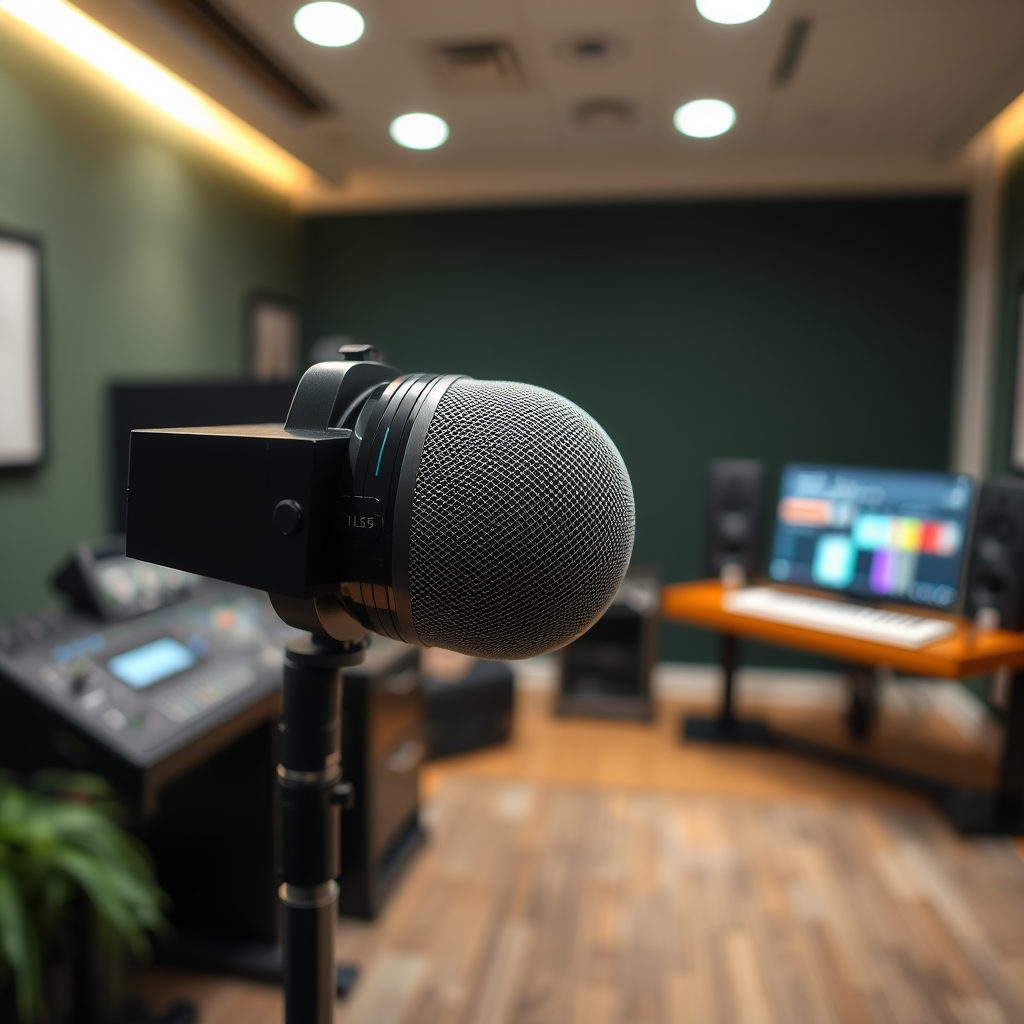
Sound fields refer to the distribution of sound in a given environment, encompassing various factors that influence how sound is perceived by listeners. A well-balanced sound field ensures that audio is reproduced accurately, allowing listeners to experience music, movies, and other media as intended by the creators.
One critical aspect of sound fields is the difference between direct and reflected sound. Direct sound travels straight from the speaker to the listener, while reflected sound bounces off surfaces such as walls, floors, and ceilings before reaching the listener’s ears. The interplay between these two types of sound can significantly impact audio perception, affecting clarity, depth, and the overall listening experience. Understanding these concepts is the first step toward creating a balanced sound field in your audio setup.
Speaker Placement Strategies
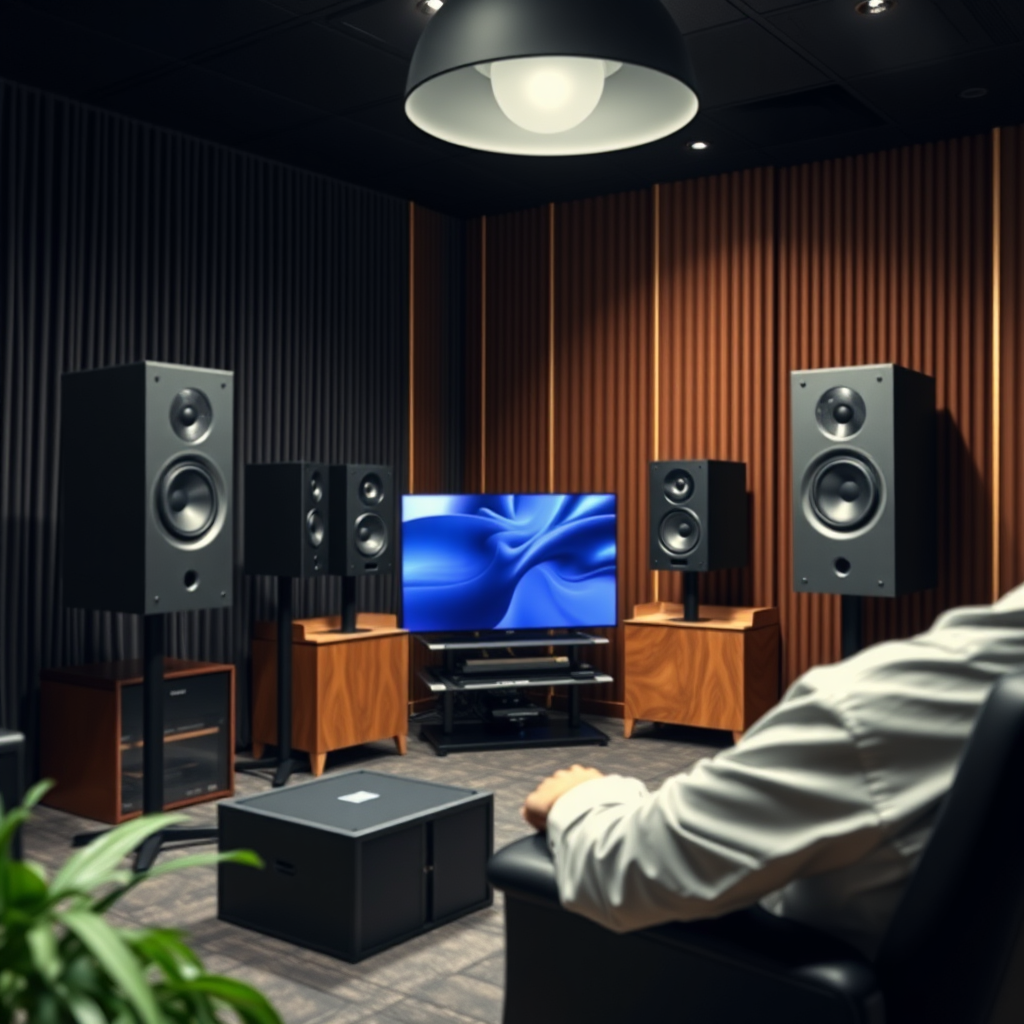
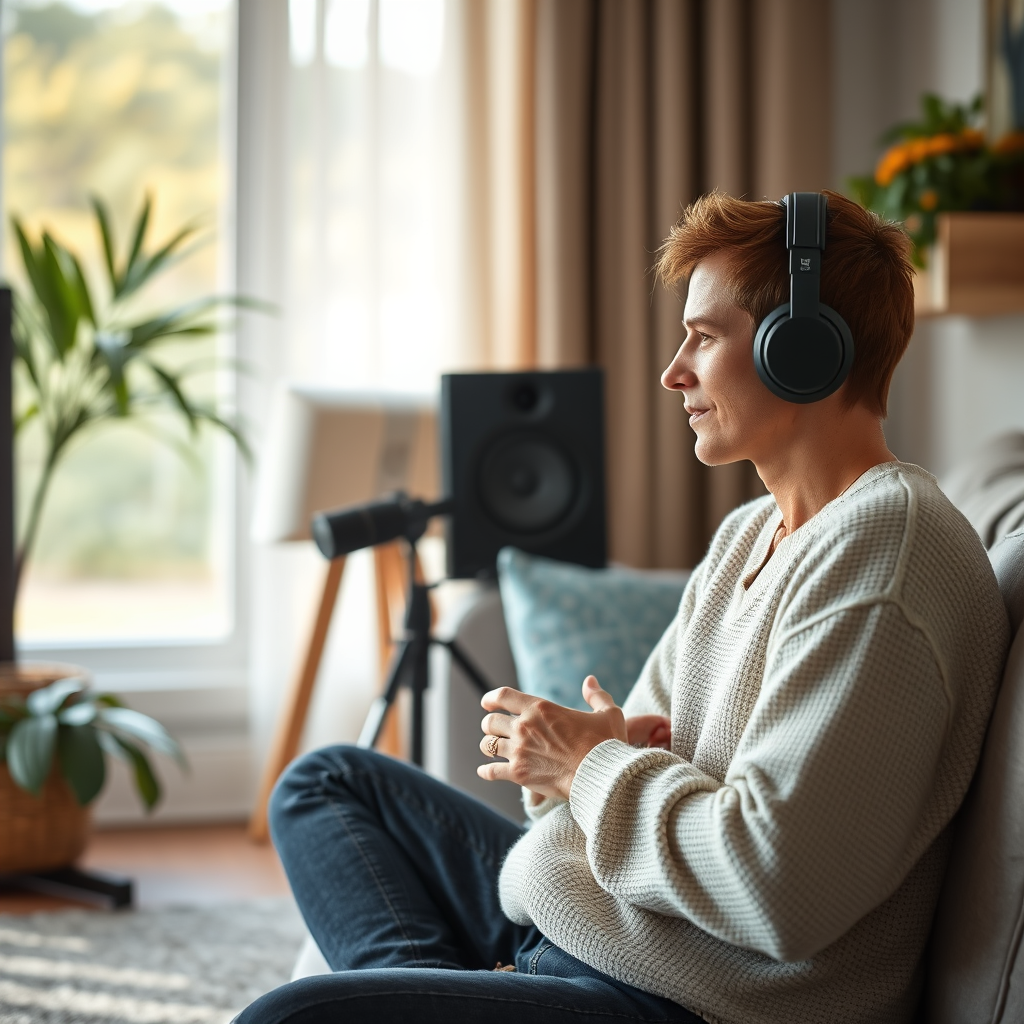
Optimal speaker placement is crucial to achieving the best sound dispersion and clarity. The general rule of thumb is to position speakers at ear level when seated, ensuring that the sound is directed toward the listening position. Additionally, the distance between the speakers should be approximately 60% of the distance from the listening position to the speakers, creating an equilateral triangle that enhances spatial imaging.
It is also essential to consider the distance of speakers from walls and corners. Speakers placed too close to walls can produce unwanted reflections that muddy the sound. Ideally, speakers should be positioned at least a foot away from walls to minimize these reflections and improve sound quality. Experimenting with slight adjustments in placement can yield significant improvements in the overall listening experience.
Room Acoustics and Treatment
Room acoustics play a pivotal role in determining sound quality. The dimensions, shape, and materials of a room can either enhance or hinder sound reproduction. For instance, a room with hard surfaces like tile or glass may produce excessive reflections, leading to a harsh listening experience. Conversely, rooms with soft furnishings and carpets can absorb sound and create a more balanced acoustic environment.
To improve sound clarity, consider using acoustic panels and bass traps. Acoustic panels help to absorb mid and high frequencies, reducing echoes and enhancing clarity. Bass traps, on the other hand, are designed to manage low frequencies, preventing them from overwhelming the room. Here are some tips for effective room treatment:
– Place acoustic panels at first reflection points (where sound first bounces off surfaces and reaches the listener).
– Use bass traps in corners to control low-frequency buildup.
– Experiment with placement of both panels and traps to find the most effective configuration.
Top 7 Acoustic Treatment Solutions (2024)
| # | Product | Type | Effectiveness | Price |
|---|---|---|---|---|
| 1 | Auralex Acoustics Studiofoam Panels | Absorption | High | $200 |
| 2 | Primacoustic Broadway Panels | Absorption | Very High | $400 |
| 3 | GIK Acoustics 242 Acoustic Panels | Absorption | High | $300 |
| 4 | Auralex LENRD Bass Traps | Bass Trap | Moderate | $150 |
| 5 | Vicoustic Multifuser Wood 24 | Diffusion | Very High | $500 |
| 6 | Burlington Acoustic Panels | Absorption | High | $250 |
| 7 | Auralex MoPADs | Isolation | Moderate | $100 |
Calibration Techniques
Calibrating your audio system is essential for achieving optimal performance. Various calibration tools and software are available, enabling users to fine-tune their audio setups for the best possible sound. These tools measure sound levels and frequencies in your room, allowing you to adjust settings accordingly.
One of the most accessible methods for calibration is to use an automatic room correction system, which many modern AV receivers offer. These systems typically require a measurement microphone and guide you through the calibration process. Alternatively, you can use software like REW (Room EQ Wizard) or a handheld SPL meter in combination with a frequency analysis tool to manually adjust your system.
To calibrate your system effectively, follow these steps:
1. Set up your measurement microphone at your primary listening position.
2. Run the calibration software, allowing it to take measurements across various frequencies.
3. Adjust your speaker settings based on the software’s recommendations, including level adjustments, distance settings, and equalization.
4. Perform a listening test to ensure that the sound has improved and make any additional manual adjustments as needed.
Choosing the Right Equipment
Selecting the right equipment is critical in enhancing sound quality. High-quality speakers, amplifiers, and audio interfaces can significantly impact your audio setup. When choosing speakers, consider their power handling, frequency response, and sensitivity ratings. It is essential to select speakers that can handle the power output of your amplifier to avoid distortion or damage.
For amplifiers, consider factors such as wattage per channel, total harmonic distortion, and the type of amplifier (e.g., solid-state vs. tube). Matching the specifications of your equipment ensures compatibility and optimal performance. Audio interfaces should provide high-quality digital-to-analog conversion, with features like low latency and high sample rates for an enhanced listening experience.
Listening Environment Optimization
The listening environment significantly affects the audio experience. Managing noise and distractions is crucial to achieving an immersive sound experience. Consider investing in soundproofing solutions, such as weather stripping on doors and windows or using thick curtains to absorb external noise.
Creating a comfortable environment is equally important. Arrange your seating to face the speakers directly, ensuring that you are positioned at the optimal listening angle. Additionally, consider the lighting in your space; soft lighting can help create a more relaxed atmosphere, enhancing your overall listening experience.
Regular Maintenance and Upgrades
Maintaining your audio setup is vital for ensuring longevity and optimal performance. Periodic checks on equipment and settings can help identify any issues before they affect sound quality. Regularly dusting and cleaning your speakers and components will prevent buildup that can degrade performance.
Additionally, consider potential upgrades as technology evolves. Investing in higher-quality cables, upgrading to wireless systems, or even adding subwoofers can enhance sound accuracy and depth over time. Keeping your equipment updated will ensure that you continue to enjoy the best possible audio experience.
In summary, achieving a balanced and accurate sound field in your audio setup involves understanding sound fields, carefully positioning your speakers, treating your room acoustically, and calibrating your equipment. By implementing these strategies and continually optimizing your setup, you can enjoy an exceptional audio experience. Start by assessing your current setup and make adjustments where necessary to elevate your sound quality today.
Frequently Asked Questions
How can I determine the optimal speaker placement for a balanced sound field?
To achieve a balanced sound field, start by placing your speakers at ear level and forming an equilateral triangle with your listening position. Experiment with positioning them away from walls and corners to minimize reflections and bass buildup. Using a sound level meter or an app can help you measure the sound pressure levels across different locations to find the best setup.
What are some effective acoustic treatments for improving sound accuracy in my room?
Effective acoustic treatments include using bass traps in corners, absorption panels on walls, and diffusers to break up sound waves. Soft furnishings like rugs and curtains can also help reduce unwanted reflections. By strategically placing these treatments, you can significantly enhance the accuracy of your sound field and minimize echoes.
Why is room size important when setting up an audio system for accurate sound?
Room size plays a crucial role in sound quality because it affects how sound waves interact within the space. Larger rooms can lead to longer reverberation times, which may blur the clarity of audio. Conversely, smaller rooms can create standing waves and bass buildup, making it essential to consider room dimensions when planning your audio setup.
Which tools are best for measuring and calibrating sound in my audio setup?
The best tools for measuring and calibrating sound include SPL meters, room measurement software, and calibration microphones. Using software like REW (Room EQ Wizard) or a dedicated audio analyzer can provide detailed insights into frequency response and room acoustics. These tools allow for precise adjustments, ensuring a balanced and accurate sound field.
How can I use equalization to improve the sound balance in my audio system?
Equalization can be used to adjust frequencies that may be overpowering or lacking in your audio system. Start by analyzing the frequency response of your setup with measurement tools, then apply subtle boosts or cuts to correct imbalances. It’s important to make gradual changes and listen critically, ensuring that adjustments enhance the overall sound accuracy without introducing distortion.
References
- https://en.wikipedia.org/wiki/Sound_field
https://en.wikipedia.org/wiki/Sound_field - https://www.earbudsandheadphones.com/how-to-achieve-a-balanced-sound-field/
https://www.earbudsandheadphones.com/how-to-achieve-a-balanced-sound-field/ - https://www.acoustics.org/press/2020/03/03/how-to-achieve-an-accurate-sound-field-in-your-room/
https://www.acoustics.org/press/2020/03/03/how-to-achieve-an-accurate-sound-field-in-your-room/ - https://www.nature.com/articles/s41598-020-61976-3
https://www.nature.com/articles/s41598-020-61976-3 - Google Scholar Google Scholar
https://scholar.google.com/scholar?q=balanced+sound+field+audio+setup - Google Scholar Google Scholar
https://scholar.google.com/scholar?q=accurate+sound+field+in+audio - Google Scholar Google Scholar
https://scholar.google.com/scholar?q=achieving+balanced+sound+in+audio+systems - Google Scholar Google Scholar
https://scholar.google.com/scholar?q=How+to+Achieve+a+Balanced+and+Accurate+Sound+Field+in+Your+Audio+Setup - How to Achieve a Balanced and Accurate Sound Field in Your Audio Setup – Search results
https://en.wikipedia.org/wiki/Special:Search?search=How+to+Achieve+a+Balanced+and+Accurate+Sound+Field+in+Your+Audio+Setup - https://www.ncbi.nlm.nih.gov/search/research-articles/?term=How+to+Achieve+a+Balanced+and+Accurate+Sound+Field+in+Your+Audio+Setup
https://www.ncbi.nlm.nih.gov/search/research-articles/?term=How+to+Achieve+a+Balanced+and+Accurate+Sound+Field+in+Your+Audio+Setup
