


Choosing the best dash speakers for your car boils down to understanding your personal sound preferences and the essential specifications that can elevate your driving experience. By considering factors like speaker size, power handling, and sound quality, you can make a well-informed decision that enhances your car’s audio setup. In this guide, we’ll navigate through the various aspects of selecting the perfect dash speakers, ensuring you hit all the right notes on your journey.



Understanding Speaker Types

When diving into the world of car audio, one of the first things to understand is the difference between coaxial and component speakers.
– Coaxial vs. Component Speakers: Coaxial speakers, often referred to as full-range speakers, integrate multiple elements—such as woofers and tweeters—into a single unit, making them a convenient option for those who want simplicity and ease of installation. They are perfect for budget-conscious buyers or those looking for a quick upgrade. On the other hand, component speakers separate these elements, providing better sound quality due to dedicated drivers for highs and lows. This separation allows for superior audio performance, making component speakers a preferred choice for audiophiles who crave clarity and detail in their music.
– Sound Quality Preferences: Before making a choice, assess your listening habits. Do you lean toward bass-heavy tracks, or do you enjoy the subtleties of clear vocals? Identifying your sound preferences will guide you in selecting the right speaker type. If bass is your priority, look for speakers designed with larger woofers; if clarity and detail matter more, focus on speakers with high-quality tweeters and a balanced frequency response.
Speaker Size and Fit
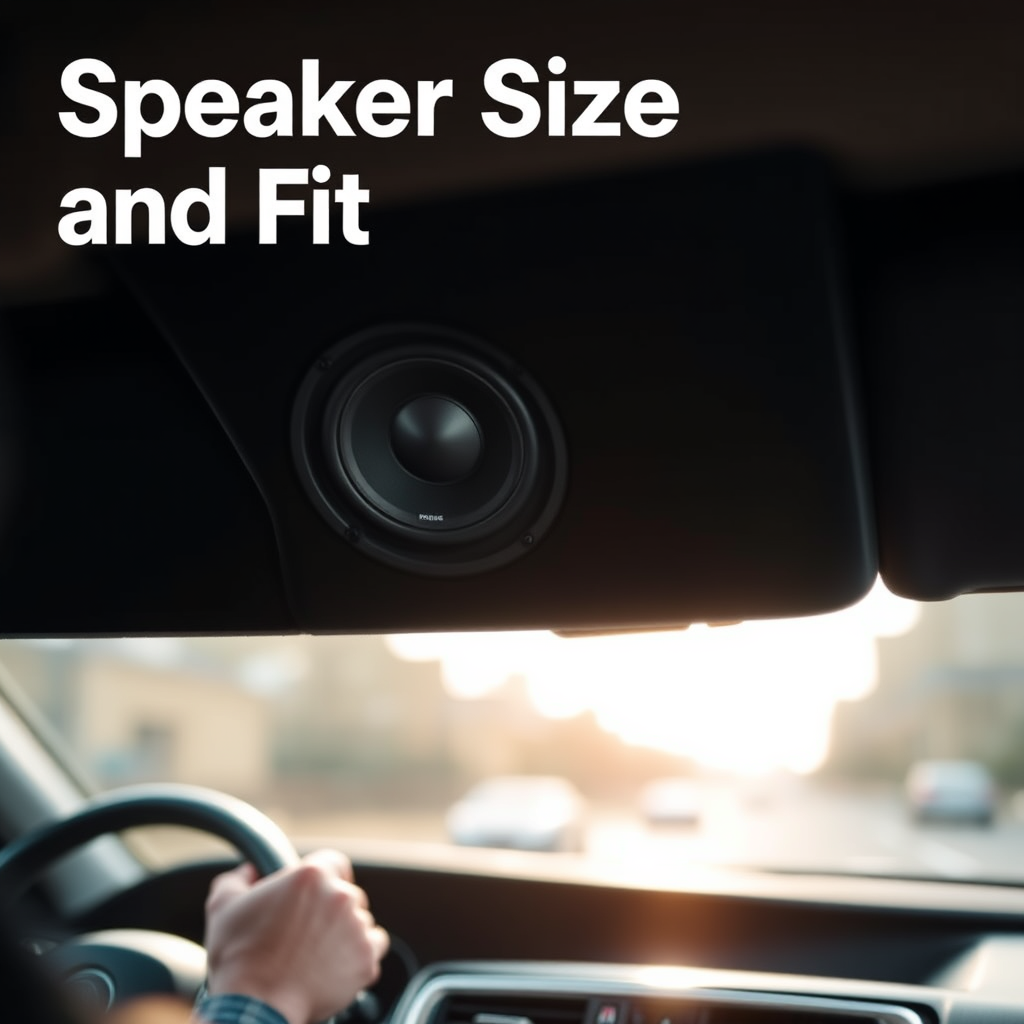
Finding the right size and fit for your dash speakers is crucial for achieving optimal sound quality.
– Measure Your Space: Begin by measuring the available space in your car’s dash. Different vehicles have varying configurations, so knowing the dimensions will help you avoid purchasing speakers that won’t fit. Most cars have specific mounting locations that cater to standard sizes.
– Standard Sizes: Common dash speaker sizes include 6.5 inches and 6×9 inches. If your vehicle is equipped with factory-installed speakers, check the specifications in your owner’s manual or consult with a professional to ensure compatibility. Remember, a snug fit not only enhances sound quality but also minimizes rattling or unwanted vibrations.
Power Handling and Sensitivity
Power handling and sensitivity ratings play a significant role in your speakers’ performance.
– Wattage Requirements: Each speaker has a specified power handling capacity, typically measured in watts. It’s essential to match this with your car’s audio system to prevent damage or subpar performance. For example, if your car amplifier provides 50 watts per channel, look for speakers that can handle at least that much power, ideally with some headroom for better performance.
– Sensitivity Ratings: Sensitivity ratings indicate how efficiently a speaker converts power into sound. A higher sensitivity rating (typically above 90 dB) means you can achieve louder volumes with less power, which is particularly beneficial if you’re using a factory audio system. Lower sensitivity speakers may require more power to achieve similar volume levels, which could lead to distortion at high volumes.
Sound Quality and Frequency Response
Sound quality is often the most important factor when choosing speakers, and frequency response is a key component.
– Frequency Range: Look for speakers that offer a wide frequency response range to ensure they can reproduce a full spectrum of sounds. Ideally, a good set of speakers should range from 20 Hz (deep bass) to 20 kHz (high frequencies). A broader range allows for a richer listening experience, capturing everything from the thumping bass lines to the crisp notes of a guitar solo.
– Materials Used: The materials used in speaker construction significantly impact sound quality and durability. For instance, polypropylene cones are known for their lightweight and rigidity, providing excellent bass response. Silk dome tweeters, on the other hand, are preferred for their smooth sound reproduction in higher frequencies. Investing in quality materials will pay off in terms of clarity and longevity.
Installation Considerations
Installation plays a crucial role in maximizing your new speakers’ potential.
– DIY Installation vs. Professional Help: If you’re handy with tools and have some experience, you might consider a DIY installation. Many speakers come with installation kits and step-by-step guides. However, if you’re unsure or uncomfortable with the process, hiring a professional can save you time and ensure everything is installed correctly.
– Wiring and Compatibility: Ensuring that you have the correct wiring harness for your new speakers is essential. Incompatible wiring can lead to poor sound quality or, worse, damage your audio system. Check that the speakers are compatible with your existing setup, as some may require additional adapters or modifications.
Budgeting for Quality
Balancing your budget while ensuring quality can be a bit tricky, but it’s vital for a satisfying purchase.
– Setting a Budget: Start by determining how much you’re willing to spend. Remember, while there are plenty of budget options available, investing a little more can often lead to significantly better sound quality and durability.
– Price vs. Performance: As a rule of thumb, aim for reputable brands known for their quality. Sometimes, spending a bit more upfront can save you money in the long run, as high-quality speakers are less likely to need replacement. Brands like Pioneer, JBL, and Infinity are often recommended for their balance of price and performance.
Reviews and Recommendations
Finally, gathering feedback from others can significantly influence your decision.
– Research User Reviews: Take some time to explore online reviews and forums dedicated to car audio systems. User experiences can provide insights into performance, durability, and any common issues that may arise.
– Ask for Recommendations: Don’t hesitate to consult friends or professionals who have experience with car audio systems. They can offer valuable insights and may even have specific recommendations based on your vehicle and preferences.
Summarizing your choices will help you select the best dash speakers tailored to your needs. Consider the sound quality, size, and budget, and don’t hesitate to seek advice from trusted sources. With the right information, you’ll enhance your driving experience with superior sound quality. Start your search today and transform your car’s audio system!
Frequently Asked Questions
What are the key specifications to consider when choosing dash speakers for my car?
When selecting dash speakers, important specifications to consider include speaker size (commonly 4 to 6.5 inches), wattage, sensitivity rating, and frequency response range. Larger speakers typically offer better bass, while higher wattage can indicate louder sound without distortion. Additionally, pay attention to sensitivity ratings, as a higher rating means the speakers will produce more sound with less power, making them ideal for factory audio systems.
How do I know if dash speakers will fit my car’s interior?
To determine if dash speakers will fit your car, you should check the size specifications of your current speakers or the available mounting depth and space in your dash area. Consult your vehicle’s owner manual or use online resources like car speaker fitment guides. Additionally, consider speaker mounting options and whether your car requires an adapter or special installation kit for optimal fit.
Why is the material of dash speakers important for sound quality?
The material of dash speakers significantly impacts sound quality and durability. Common materials used in speaker cones and surrounds include polypropylene, rubber, and textile blends. Polypropylene offers durability and good bass response, while rubber surrounds provide longevity and resistance to wear. Choosing quality materials leads to better sound reproduction, clarity, and overall performance of your car audio system.
What are the best brands for dash speakers in 2023?
Some of the best brands for dash speakers in 2023 include Pioneer, JBL, Infinity, Alpine, and Kicker. These brands are known for producing high-quality audio equipment that delivers excellent sound performance, durability, and value for money. Each brand offers a range of models that cater to different budgets and sound preferences, making it easier to find the ideal dash speakers for your car’s audio system.
Which type of dash speaker is better: coaxial or component?
The choice between coaxial and component dash speakers depends on your audio preferences and installation capabilities. Coaxial speakers combine multiple speaker elements into one unit, making them easier to install and generally more affordable, perfect for those looking for simplicity. In contrast, component speakers separate the drivers, allowing for better sound quality and more customization, but they require a more complex installation. If sound quality is your top priority and you’re willing to invest in installation, component speakers are often the better choice.
References
- Vehicle audio
- https://www.edmunds.com/car-technology/how-to-choose-a-car-stereo.html
- https://www.nhtsa.gov/equipment/car-audio-systems
- https://www.consumerreports.org/car-electronics/best-car-speakers-of-the-year/
- https://www.cnet.com/roadshow/news/best-car-audio-systems/
- https://www.pcmag.com/picks/the-best-car-stereos
- https://www.diycaraudio.com/
- https://www.crutchfield.com/S-6c34FcfZqLZ/learn/how-to-choose-car-speakers.html