
To prevent speaker damage, proper storage and careful transportation are essential. By following best practices, you can ensure your speakers remain in optimal condition, avoiding costly repairs or replacements. This article will outline key strategies to safely store and move your speakers, preserving their quality and longevity while enhancing your overall audio experience.


Understanding Speaker Vulnerabilities
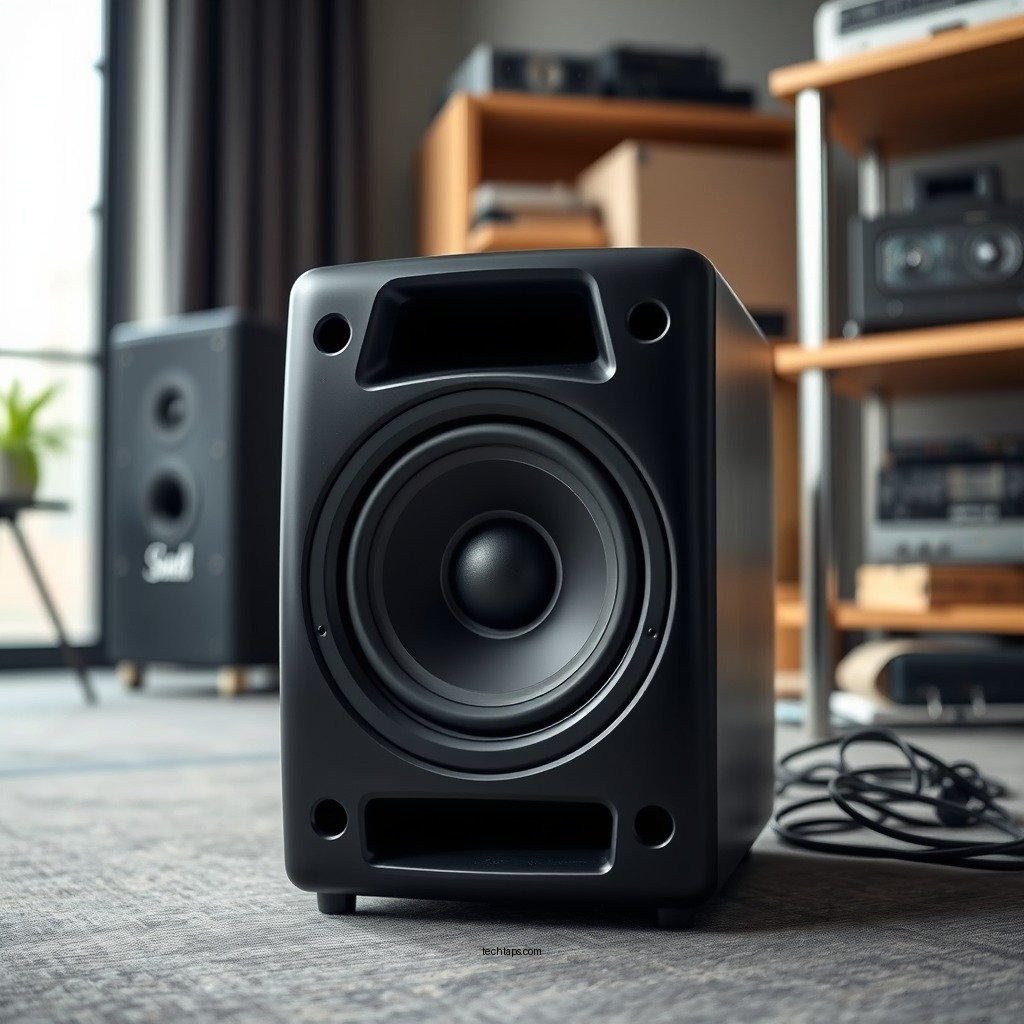
Speakers are intricate devices that can be sensitive to various environmental and physical factors. Common causes of speaker damage include exposure to fluctuating temperatures, high humidity, and physical impacts during handling or transportation. For instance, high levels of humidity can lead to corrosion of internal components, while extreme temperature changes can affect the integrity of the speaker’s materials. Therefore, maintaining a stable environment, ideally between 60°F to 75°F (15°C to 24°C) with a humidity level of around 40% to 60%, is crucial for preserving speaker longevity.
Additionally, physical impacts such as drops, bumps, or even prolonged contact with hard surfaces can lead to malfunctions or damage to the speaker’s components. Recognizing these vulnerabilities is the first step in implementing strategies that will protect your speakers and ensure their optimal performance over time.
Best Practices for Storing Speakers
Proper storage is vital in protecting speakers from damage when they are not in use. Here are some best practices:
1. Environment: Store speakers in a dry, cool place away from direct sunlight and extreme temperatures. A dedicated storage area with controlled temperature and humidity is ideal. Avoid basements or attics where environmental conditions can fluctuate widely.
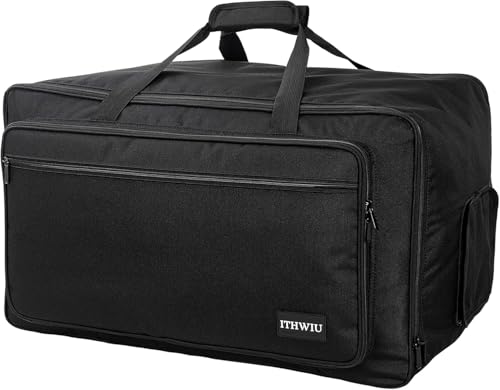
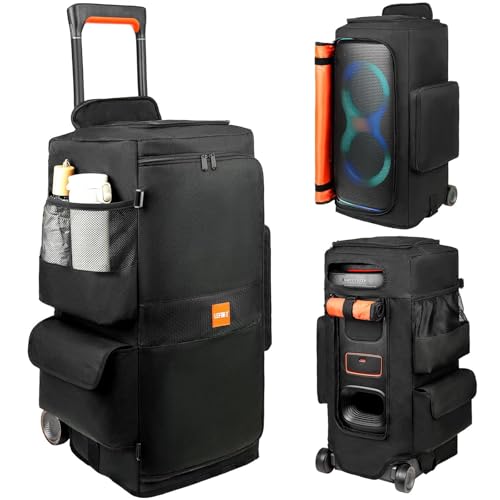
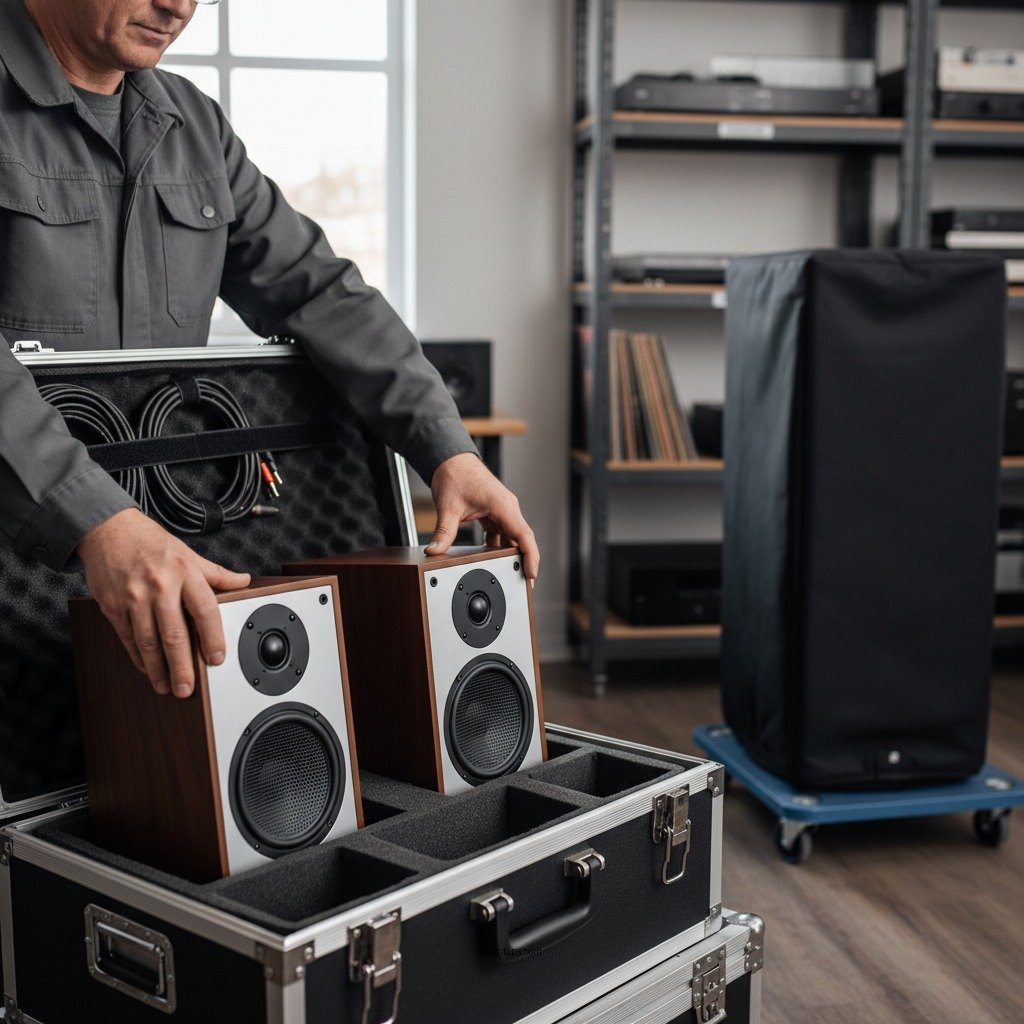
2. Protection: Utilize speaker covers or protective cases to shield them from dust, dirt, and potential impact. Many manufacturers offer custom-fit covers that provide an extra layer of protection. Ensure that these covers are breathable to prevent moisture buildup.
3. Positioning: When storing speakers, place them upright in a location where they won’t be knocked over. Avoid stacking heavy objects on top of speakers, as this can lead to physical damage or warping over time.
4. Accessibility: Keep speakers within easy reach to encourage regular use. This not only enhances their lifespan but also allows for periodic checks on their condition.
Tips for Safe Transportation
Transporting speakers can be tricky, but with the right precautions, you can minimize the risk of damage. Here are some tips:
1. Use Padded Cases: Always transport speakers in padded cases or boxes designed specifically for audio equipment. These cases provide cushioning that absorbs shocks and impacts during transit.
2. Secure in Vehicle: When transporting speakers in a vehicle, secure them using straps or seat belts to prevent sliding or falling. Ideally, place them in the trunk or a stable area where they won’t be subject to sudden movements.
3. Avoid Overpacking: Don’t overload your transport containers. Each speaker should have enough space to prevent it from bumping against other items, which could cause scratches or damage.
4. Temperature Control: If transporting speakers over long distances in extreme weather, consider climate control measures. For instance, avoid leaving speakers in a hot car, as high temperatures can damage electronic components.
Most Common Causes of Speaker Damage
| # | Cause | Impact | Preventive Measures |
|---|---|---|---|
| 1 | Moisture | Corrosion | Store in dry areas |
| 2 | Extreme Temperatures | Material Warping | Keep within ideal range |
| 3 | Physical Impact | Internal Damage | Use padded cases |
| 4 | Dust Accumulation | Audio Distortion | Cover when stored |
| 5 | Improper Handling | Component Damage | Lift properly |
| 6 | Overloading | Sound Clarity Loss | Avoid heavy stacking |
| 7 | Improper Packing | Surface Scratches | Secure in transit |
Handling Speakers with Care
When it comes to handling speakers, the method you use can significantly impact their condition. Here are essential handling tips:
1. Lifting Techniques: Always lift speakers using their designated handles or by supporting the weight evenly. This practice prevents undue stress on any one part of the speaker and minimizes the risk of mechanical failure.
2. Avoid Dragging: Never drag or drop speakers during handling. Such actions can weaken the internal components, leading to potential audio issues. Instead, always pick them up and set them down gently.
3. Awareness of Surroundings: Be aware of your surroundings while transporting speakers. Obstacles like door frames or uneven floors can pose risks. Move slowly and carefully to avoid accidents.
4. Team Handling for Larger Units: For larger or heavier speakers, enlist the help of another person. This not only eases the burden but also reduces the likelihood of mishaps that could cause damage.
Regular Maintenance Checks
Regular maintenance is crucial to prolonging the life of your speakers. Implement the following practices:
1. Inspection After Use: After each use, inspect speakers for any signs of wear or damage. Pay attention to areas such as the grill, cables, and connectors, as these are often the first to show signs of distress.
2. Cleaning Procedures: Clean speaker surfaces gently using appropriate materials like microfiber cloths. Avoid using abrasive cleaners or materials that could scratch the finish. Regular cleaning helps maintain aesthetic appeal and prevents dust accumulation that can affect sound quality.
3. Test Functionality: Periodically test your speakers to ensure they are functioning correctly. Listen for any distortions or irregularities in sound, which could indicate deeper issues that need addressing.
4. Professional Servicing: Schedule professional servicing for your speakers on a regular basis, especially if they are used frequently. Technicians can identify potential problems before they escalate into costly repairs.
Knowing When to Seek Professional Help
Understanding when to seek professional assistance is critical in maintaining your speakers. Here are signs that indicate you should consult an expert:
1. Distorted Sound: If you notice any distortion in the audio quality that persists after basic troubleshooting, it may signal internal damage.
2. Electrical Problems: Any signs of electrical malfunction, such as unexpected power cycling or failure to turn on, warrant immediate professional attention.
3. Physical Damage: If you observe visible damage to the speaker’s exterior or connections, do not attempt to repair it yourself. Professional technicians have the expertise and tools to handle such repairs safely.
4. Warranty Considerations: Always consider warranty implications before attempting self-repairs. If your speakers are still under warranty, contacting the manufacturer for service is often the best route.
In conclusion, taking care of your speakers during storage and transportation is crucial for their longevity. By implementing best practices in storage, transportation, handling, and maintenance, you can significantly reduce the risk of damage and preserve sound quality. For more tips and advice on speaker care, explore our other articles or subscribe for updates!
Frequently Asked Questions
What are the best practices for storing speakers to prevent damage?
To prevent damage while storing speakers, keep them in a cool, dry place away from direct sunlight and humidity. Use speaker covers or padded cases for added protection against dust and physical impacts. Additionally, store speakers upright or in a stable position to avoid any pressure on the cones or drivers.
How should I move my speakers to avoid damaging them?
When moving speakers, always hold them by the cabinet rather than the speaker cones or grills to avoid any physical damage. Use appropriate padding, such as blankets or bubble wrap, to cushion the speakers during transport. It’s also advisable to secure them in your vehicle to prevent shifting and impact.
Why is humidity a concern for speaker storage?
Humidity can cause damage to speakers by promoting mold growth on the cones and deteriorating the adhesive used in speaker construction. Excess moisture can also affect electronic components, leading to a decline in sound quality. Therefore, maintaining a stable, low-humidity environment is essential for preserving your speakers.
Which types of storage containers are best for speaker protection?
The best storage containers for speakers are padded bags or hard-shell cases specifically designed for audio equipment. These containers provide both cushioning and protection from external elements. Make sure the case is properly sized to prevent movement and potential damage during storage.
What common mistakes should I avoid when storing or transporting speakers?
Common mistakes include stacking speakers on top of each other without proper padding, exposing them to extreme temperatures, and neglecting to secure them during transport. Additionally, failing to clean them before storage can lead to dust accumulation, which may affect their performance over time. Always take the time to prepare your speakers adequately for both storage and transport.
References
- Loudspeaker
https://en.wikipedia.org/wiki/Loudspeaker - https://www.sciencedirect.com/topics/engineering/loudspeakers
https://www.sciencedirect.com/topics/engineering/loudspeakers - https://pubmed.ncbi.nlm.nih.gov/31539711/
https://pubmed.ncbi.nlm.nih.gov/31539711/ - https://www.nature.com/articles/s41598-020-66032-2
https://www.nature.com/articles/s41598-020-66032-2 - Loudspeaker | Definition, Types, & Facts | Britannica
https://www.britannica.com/technology/loudspeaker - https://www.cdc.gov/niosh/docs/2003-137/default.html
https://www.cdc.gov/niosh/docs/2003-137/default.html - Google Scholar Google Scholar
https://scholar.google.com/scholar?q=Preventing+Speaker+Damage+Best+Practices+for+Storing+and+Moving+Speakers - Google Scholar Google Scholar
https://scholar.google.com/scholar?q=loudspeaker+storage+and+handling - Google Scholar Google Scholar
https://scholar.google.com/scholar?q=speaker+protection+and+transportation - https://www.nytimes.com/2020/08/17/technology/podcasts-gear.html
https://www.nytimes.com/2020/08/17/technology/podcasts-gear.html
