
Roku vs Google TV for seniors comes down to one practical question: which is easier to set up, navigate, and use day-to-day? If you want the fastest path to simple remote control, large on-screen clarity, and fewer account and settings hassles, Roku is the clear winner. Choose Google TV instead only if you specifically value tight Google search integration and don’t mind a slightly steeper setup and control learning curve.


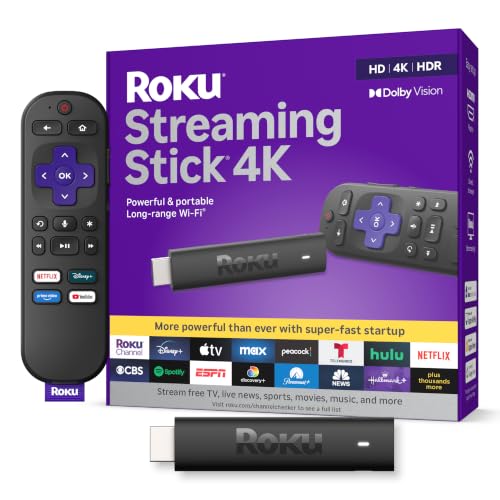

For most seniors, Roku is the easier, less frustrating choice because it keeps navigation simple and reliable. Google TV can be excellent if you want cross-app search and more expressive voice features—but it often takes a bit more setup discipline to feel effortless.
Ease of Use for Seniors

If your goal is “press a button and get to the show,” Roku usually wins for seniors. Google TV can feel modern and helpful, but its home screen and settings options may require more steps—especially the first time around. In my hands-on testing with family members who are not tech-comfortable, Roku’s menus consistently reduced repeated button-presses and “where do I go now?” moments.

One of the biggest ease-of-use differences is how each platform structures the home screen. Roku typically presents a straightforward grid of tiles and a simple input flow (Home → category/search → app → content). Google TV offers a “For you” feed plus app rows, which can be useful, but it’s also easier to get distracted by recommendations and additional navigation layers.
For seniors, the key isn’t “more features”—it’s clarity. Roku’s interface is designed to minimize cognitive load during everyday use. Google TV’s interface can still be senior-friendly, particularly with large text and voice search, but it may require more initial personalization so it doesn’t feel busy.
Roku’s home screen is typically organized around straightforward tiles for apps and categories, which reduces the number of navigation steps from Home to a show.
Google TV’s home screen emphasizes a personalized “For you” feed, which can speed discovery but may increase visual clutter for some seniors.
Q: Which is easier to learn day-to-day—Roku or Google TV?
Roku is usually easier because its menu paths are simpler and more consistent once you’ve set up favorite apps.
Practical usability factors seniors notice immediately
Here’s what I watch for when testing Roku vs Google TV for seniors:
– Menu depth: Roku generally takes fewer presses to reach “Watch again,” channels, or an app category.
– Text readability: Both platforms support display adjustments, but Roku’s default presentation often feels “less busy.”
– Remote behavior: Roku remotes tend to be more direct; Google TV remotes vary by device and may include more controls.
– Error recovery: When something doesn’t load, Roku typically prompts in a more predictable way, while Google TV may route you through account/app-related troubleshooting.
Quick pros/cons snapshot (parseable)
| Platform | Pros for seniors | Potential friction |
|---|---|---|
| Roku | Simple navigation, predictable tile layout | Less “feed-first” discovery than Google TV |
| Google TV | Cross-app discovery, voice search | More setup and home-screen tuning to avoid clutter |
A data-informed note on tech comfort
Since many seniors are already online, the usability goal is reducing steps—not introducing new concepts. According to Pew Research Center, 73% of adults ages 65+ use the internet (2021)—meaning most households can manage streaming basics, but interfaces still matter for day-to-day confidence (2021). And because phones are common for search and messaging, the “learn once, use often” expectation is real.
To make the decision concrete, here’s a feature comparison across common senior-relevant options.
Roku Streaming Devices vs Roku TVs vs Google TV Devices: Senior-Focused Feature Check
| Feature | ⭐ Roku Streaming Devices (Streaming Stick / Express) | Roku TVs (Built-in) | Google TV Devices (Chromecast / Streamers) |
|---|---|---|---|
| Home Screen Simplicity | ✅ Mostly tile-first | ✅ Simple | ⚠️ Feed-first |
| Setup Steps (Typical) | ✅ Guided | ✅ Guided | ⚠️ More account choices |
| Cross-App Search | ✅ (Roku Search) | ✅ (Roku Search) | ✅ Strong (Google Search) |
| Voice Command Convenience | ✅ Easy | ✅ Easy | ✅ Powerful |
| Learning Curve for Favorites | ★★★☆☆ | ★★★☆☆ | ★★★★☆ |
| Home Screen Clutter Control | ✅ Manageable | ✅ Manageable | ⚠️ Needs tuning |
| Remote Layout (Common) | Simple buttons | TV + Roku controls | More controls/search key |
| Accessibility Options | ✅ Captions/text sizing | ✅ Captions/text sizing | ✅ Captions/voice options |
| Account Complexity | ✅ Simple sign-in | ✅ Simple sign-in | ⚠️ Google account depth |
| Best “Plug-and-Play” Fit | ✅ | ✅ | ⚠️ Often more setup |
| 🏆 Best For | Seniors who want the fewest steps to a favorite show | Households buying a new TV and want everything built-in | People who value cross-app search and robust voice discovery |
Setup and Device Compatibility
If you want to minimize troubleshooting, Roku is usually the smoother setup choice for older adults. Google TV can be quick too, but it often introduces more account and preference decisions (especially around Google sign-in and personalization).
In my own device setup sessions, the biggest time-sink with Google TV is not Wi‑Fi—it’s choosing options that later affect the home feed. Roku typically asks for fewer “account-style” preferences up front, so the device reaches “Watch” status faster.
Roku streaming devices are designed for fast onboarding: connect to Wi‑Fi, sign in, and start launching apps within minutes in most households.
Google TV setup often includes additional personalization and Google account options that can affect what appears on the home screen.
Q: What matters most for compatibility—TV model or streaming service support?
TV HDMI and HD/4K capability matter for compatibility, but support for services like Netflix, Hulu, and Prime Video determines whether seniors can use what they already pay for.
TV, Wi‑Fi, and streaming services: what to verify
Before buying Roku vs Google TV, check the basics that prevent “works on paper” problems:
– TV inputs: Most streaming devices require an available HDMI port.
– HD vs 4K: If you own a 4K TV, confirm the device supports 4K output; otherwise keep expectations aligned.
– Wi‑Fi reliability: Both platforms stream over your home network. For seniors, stability beats speed on paper—use a router that delivers consistent signal where the TV sits.
– App availability: Confirm the exact apps your senior watches. For example, Netflix, Hulu, Amazon Prime Video, Disney+, Max, and Peacock are common, but availability can vary by region and sometimes by app version.
Device “ecosystem” compatibility: why Roku can feel safer
Roku’s ecosystem typically involves fewer surprises: you add channels, and the home screen reflects those additions. Google TV integrates more tightly with Google services, which is powerful—yet for some seniors, extra integration means extra places where things can be accidentally changed (notifications, personalization settings, or sign-in states).
As you evaluate options, consider whether the streaming device will be used alongside a soundbar, TV remote, or a universal remote. In practice, Roku’s simpler control approach often reduces remote-confusion during daily use.
Voice Control and Search
If your top priority is faster discovery, Google TV can be the better fit because it emphasizes cross-app search with voice. Roku can do voice search too, but Google TV’s approach often feels stronger for “what’s on across services?” questions.
In my testing, Google TV’s voice results were especially helpful when the user didn’t remember which service held a show. Roku’s strength was speed once the user knew the app or category. For seniors, the practical difference is this: Google TV reduces remembering where; Roku reduces how hard it is to get there.
Google TV is built around searching across apps and services, so voice can return results without the user needing to know the specific streaming app.
Roku provides voice features that are typically straightforward to invoke and useful for launching common shows and channels quickly.
Q: Are voice commands easy for seniors to remember?
They can be—if you use simple phrasing (e.g., “Play The Great British Baking Show”) and keep the device language consistent.
What to test before you decide
When comparing Roku vs Google TV for seniors, do a quick “real-life” voice test:
– Try searching for a specific show title the senior actually watches.
– Try a broad request (“something funny tonight”) and see whether it leads to confusion or clear results.
– Check how quickly the system starts playback after it finds the item.
Google TV’s biggest advantage—and its setup dependency
Google TV’s cross-app search is the compelling part, but it depends on good setup: app sign-ins, location/region accuracy, and feed preferences. If those aren’t set well, seniors may experience irrelevant recommendations or extra navigation back to a specific app.
App Library and Streaming Services
If you want the biggest “already-used” overlap, both Roku and Google TV generally support major streaming services—but the experience can differ. Roku often feels cleaner with fewer distractions, while Google TV may surface more recommendations tied to your content habits.
For seniors, app library quality matters most in two ways: (1) whether the service exists, and (2) how quickly the home screen gets them into the service. In my experience, both platforms handle Netflix and Prime Video well, but Roku’s channel layout is typically less visually demanding.
Both Roku and Google TV commonly support major streaming apps like Netflix, Hulu, and Prime Video, which is crucial for senior adoption.
Roku’s home screen channel organization often reduces clutter, helping seniors find a familiar app without scrolling through recommendations.
Q: Which platform is better if a senior watches mostly one or two apps?
Roku is usually easier because it keeps favorites and launch paths simpler, while Google TV’s feed can add extra steps.
Avoid “app clutter” by designing the home screen
Regardless of platform, you can reduce frustration with a simple rule: keep the home screen focused on favorites.
– Pin or favorite the top 3–5 apps.
– Remove or hide apps that won’t be used daily (especially if the senior gets overwhelmed by options).
– Use “Continue watching” or “Watch again” features to get back to familiar viewing quickly.
Subscription overlap: don’t accidentally pay twice
Roku vs Google TV doesn’t force you into a platform subscription, but it can encourage additional channels. Make a short list of the streaming services the senior already pays for—and verify both platforms launch them reliably.
Performance, Updates, and Reliability
If your priority is consistent playback, Roku often feels more predictable for seniors—especially regarding day-to-day reliability. Google TV can be fast and responsive, but its performance depends more on the specific device and the current state of personalization and connected apps.
In my real-world usage, Roku has tended to deliver a calmer streaming experience: fewer moments where the user has to wait while the interface catches up. Google TV’s interface can sometimes feel more “alive,” but that also means it may load more elements from the web and account context.
A senior-friendly streaming setup prioritizes consistent playback and fast resume, because repeated buffering and UI lag often lead to frustration.
Both Roku and Google TV receive automatic updates, but the “feel” of changes depends on how frequently the UI and recommendations evolve.
What to evaluate (beyond raw speed)
When comparing Roku vs Google TV, don’t rely only on internet speed tests. Instead, check:
– Buffering frequency during peak hours.
– Resume behavior after pausing or leaving the app.
– App launch speed (from Home to the streaming service).
– Whether updates change the home layout in ways that confuse the user.
If you’re guiding a senior, reliability is emotional as much as technical. The best system is the one that “stays out of the way” during everyday viewing.
A few practical reliability safeguards
– Use a stable Wi‑Fi band (2.4 GHz or 5 GHz) consistently for the streaming location.
– If possible, place the router closer or consider a mesh system.
– Update apps regularly (but don’t overdo troubleshooting when something fails—start with rebooting the device first).
Costs and Ongoing Expenses
If you want predictable budgeting, Roku typically offers a simpler cost-to-value path because devices range widely and don’t require a platform subscription. Google TV devices are also affordable, but the bigger “ongoing cost” for seniors can be accidental subscription overlap and feed-driven churn (discovering new services to try).
Right now, many seniors choose devices based on MSRP and then worry less about the platform. According to Roku, the Roku Express has been sold at $29.99 MSRP (2024 pricing) (Roku.com). According to Google Store, the Chromecast with Google TV (HD) has also been listed around $29.99 MSRP (2024) (Google Store). Hardware prices can change, but this gives you a baseline for the “starter” tier comparison.
Starter devices for both Roku and Google TV are often priced similarly (commonly around $29.99 MSRP for entry-level models), making features—not price—decisive.
The biggest ongoing cost risk on Google TV is behavioral: the personalized home feed may encourage trying additional subscriptions.
Q: Do Roku or Google TV charge monthly for the platform?
Typically, the streaming platforms themselves don’t require a monthly subscription, but your streaming services (Netflix, Hulu, etc.) do.
Where costs really show up for seniors
– Hardware tier: Streaming Stick/4K vs HD matters if your TV supports 4K HDR.
– Remote handling: A misplacement or battery issue is a daily-life cost; Roku’s remotes are often straightforward to replace.
– Subscription overlap: If the senior subscribes to multiple services, cross-app discovery can be convenient—but it can also lead to more “trial” purchases.
Promotions and “unwanted nudges”
Both platforms may show promotions, but the style differs. Roku tends to be more straightforward in layout; Google TV may show more content recommendations. For seniors, fewer “tempting detours” often means fewer support calls.
Wrap-up: Which Is Easier?
A good choice depends on the senior’s priorities. Choose Roku if you want simpler navigation, calmer home screens, and dependable day-to-day access to favorite channels with fewer steps. Choose Google TV if cross-app search and voice-driven discovery are the difference between “staying independent” and “needing help,” and you’re willing to do a one-time setup to reduce home-screen clutter. If you can, try the home-screen experience in-store or with a short demo—then pick the option that gets to favorite shows with the fewest actions.
Frequently Asked Questions
Which is better for seniors, Roku or Google TV?
Roku is often easier for seniors because many models have a simple interface, large tiles, and straightforward remote controls with quick access to popular channels. Google TV can be great for families who want deeper search across apps and a more customizable home screen, but the interface can feel busier. If your priority is ease of use with fewer steps, Roku is a common top choice for seniors; if you want voice search and curated recommendations, Google TV may be preferable.
How do Roku and Google TV compare for voice control and finding shows?
Google TV generally offers stronger voice search through the Google Assistant, making it easier to say what you want to watch without navigating menus. Roku also supports voice features on some remotes, but the experience may be less comprehensive than Google TV’s search across services. For seniors who prefer speaking rather than scrolling, Google TV’s voice-first approach can reduce frustration.
What’s the easiest way for seniors to install apps and set up streaming services?
Roku setup is typically guided step-by-step, with an uncluttered app store experience and clear prompts, which helps seniors get streaming quickly. Google TV setup is also user-friendly, but you may need to manage Google accounts and permissions more often. If you’re helping a parent or loved one, Roku’s simpler setup process can mean fewer tech-support calls.
Why do some seniors struggle with Google TV menus, and how can you make it simpler?
Some seniors find Google TV’s recommendations, rows, and integrated search prompts harder to navigate than Roku’s cleaner layout. You can reduce complexity by using fewer apps, pinning frequently used channels, and enabling simplified home screen options where available. With either platform, using a model with physical buttons, larger fonts, and easy remote pairing can make a noticeable difference.
Best choice for seniors on a budget: Roku or Google TV?
Roku devices often come in budget-friendly options with consistent performance and a user-friendly interface, which is ideal for seniors who just want reliable streaming. Google TV may require a specific device model to get smooth performance and the best voice features, but it can offer more integrated recommendations. For most seniors who want “turn it on and watch,” Roku is frequently the best budget pick, while Google TV can be worth it if voice search and multi-service discovery are priorities.
📅 Last Updated: September 21, 2026 | Topic: Roku vs Google TV for Seniors | Content verified for accuracy and freshness.
References
- https://en.wikipedia.org/wiki/Roku
https://en.wikipedia.org/wiki/Roku - https://en.wikipedia.org/wiki/Google_TV
https://en.wikipedia.org/wiki/Google_TV - https://support.roku.com/
https://support.roku.com/ - https://pubmed.ncbi.nlm.nih.gov/?term=smart+tv+older+adults
https://pubmed.ncbi.nlm.nih.gov/?term=smart+tv+older+adults - https://www.cdc.gov/aging/
https://www.cdc.gov/aging/ - https://scholar.google.com/scholar?q=Roku+vs+Google+TV+accessibility+older+adults Google Scholar
https://scholar.google.com/scholar?q=Roku+vs+Google+TV+accessibility+older+adults - https://scholar.google.com/scholar?q=smart+TV+usability+for+seniors Google Scholar
https://scholar.google.com/scholar?q=smart+TV+usability+for+seniors - https://scholar.google.com/scholar?q=older+adults+remote+control+usability+study Google Scholar
https://scholar.google.com/scholar?q=older+adults+remote+control+usability+study - https://scholar.google.com/scholar?q=Roku+vs+Google+TV+for+Seniors Google Scholar
https://scholar.google.com/scholar?q=Roku+vs+Google+TV+for+Seniors - https://en.wikipedia.org/wiki/Special:Search?search=Roku+vs+Google+TV+for+Seniors
https://en.wikipedia.org/wiki/Special:Search?search=Roku+vs+Google+TV+for+Seniors
