
To enhance audio performance in smaller rooms, prioritize sound treatment and speaker placement to minimize unwanted reflections and optimize sound quality. This article will guide you through practical steps and techniques to achieve better audio clarity and richness in compact spaces, ensuring an immersive listening experience whether you’re enjoying music, watching movies, or engaging in gaming.




Small rooms often present unique challenges for audio performance due to their size and the materials used in their construction. Sound waves can easily bounce off walls and ceilings, leading to echoes and muddied sound. However, with the right strategies, you can transform your space into an acoustically balanced environment. This article outlines key tips for optimizing speaker placement, implementing sound treatments, investing in quality equipment, controlling room acoustics, avoiding clutter, and testing adjustments.
Optimize Speaker Placement
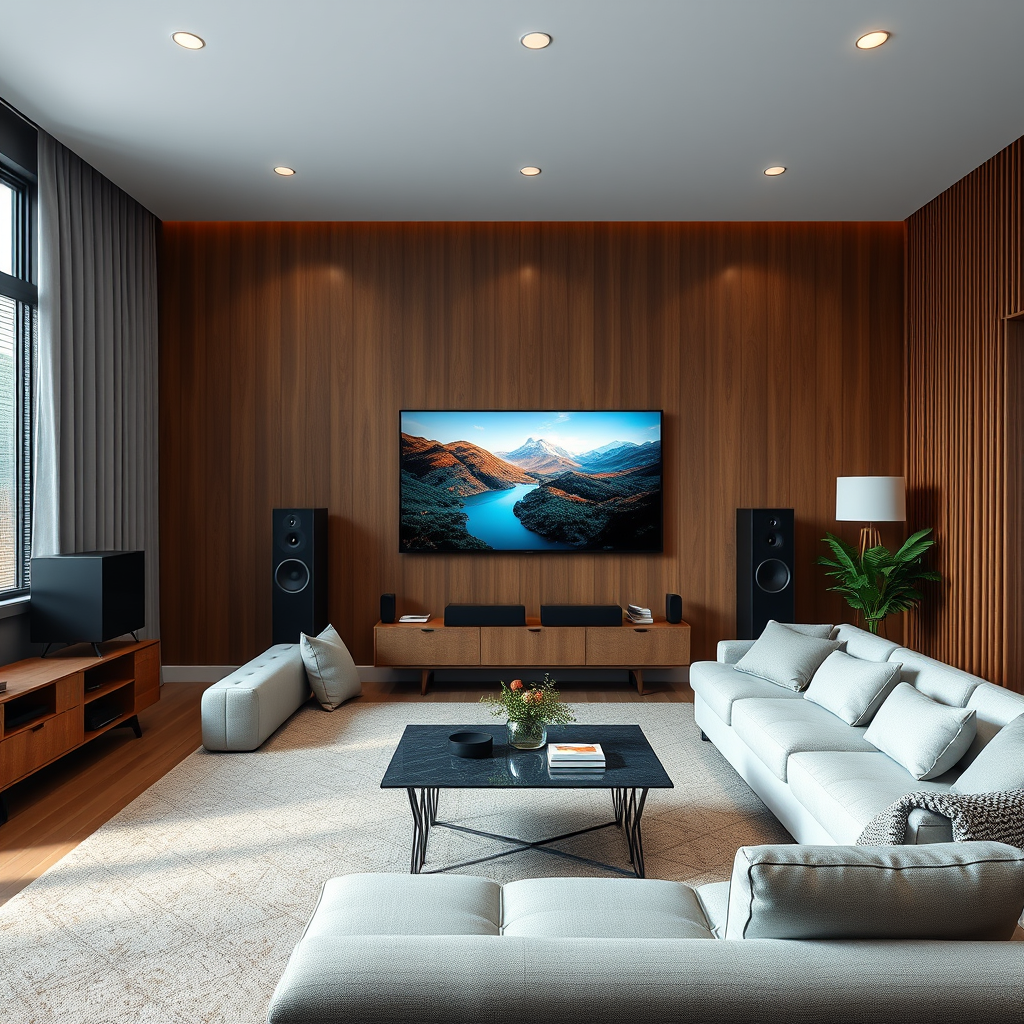
The placement of your speakers is critical to achieving optimal sound quality, especially in smaller spaces. Here are some actionable strategies to consider:
– Position speakers away from walls: When speakers are placed too close to walls, they can cause sound waves to reflect back into the room, resulting in distortion and resonance. Ideally, aim for a distance of at least 1-2 feet from the nearest wall. This helps reduce reflection and allows for a cleaner sound.
– Use the equilateral triangle method: For stereo setups, position your speakers and listening position in an equilateral triangle formation. The distance between the speakers should be equal to the distance from each speaker to your listening position. This arrangement enhances the soundstage, providing a more immersive audio experience.
By meticulously positioning your speakers, you can significantly reduce unwanted reflections and enhance audio clarity.
Implement Sound Treatments
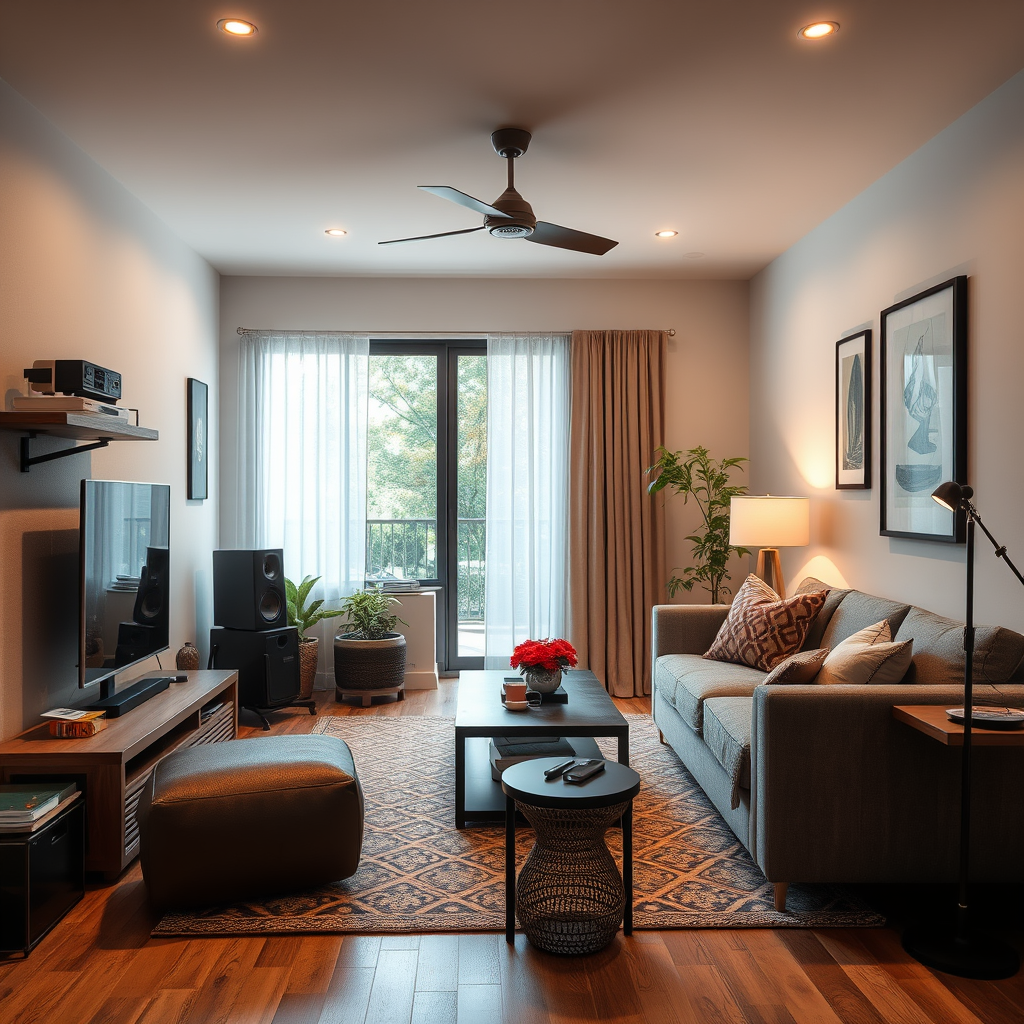
Sound treatment is essential for minimizing echo and controlling sound waves in small rooms. Here are some effective methods:
– Use acoustic panels: Installing acoustic panels on walls can absorb excess sound waves and improve sound quality. These panels come in various materials and designs and can be strategically placed at first reflection points to maximize their effectiveness.
– Consider bass traps in corners: Low-frequency sounds can accumulate in corners, leading to an unbalanced audio experience. Bass traps are designed to absorb these low frequencies, creating a more even sound distribution throughout the room. This is especially important in smaller spaces where bass buildup can be more pronounced.
Incorporating these sound treatments can significantly enhance the audio performance in your small room.
Top 7 Acoustic Treatment Products for Small Rooms
| # | Product | Type | Effectiveness | Price |
|---|---|---|---|---|
| 1 | Auralex Acoustics Studiofoam Panels | Acoustic Panels | High | $199 |
| 2 | Primacoustic London 12 Room Kit | Complete Kit | Very High | $499 |
| 3 | Vicoustic Multifuser Wood | Diffuser | High | $279 |
| 4 | Soundproof Cow Bass Traps | Bass Trap | Very High | $150 |
| 5 | GIK Acoustics 242 Panel | Acoustic Panel | High | $99 |
| 6 | Acoustic Solutions Sound Absorption Panels | Absorption Panel | Medium | $79 |
| 7 | Auralex LENRD Bass Traps | Bass Trap | Very High | $129 |
Invest in Quality Equipment
Investing in high-quality audio equipment can dramatically improve your listening experience in small rooms. Here are some recommendations to consider:
– Choose compact speakers designed for small spaces: Look for speakers that are specifically engineered for smaller environments. Brands like JBL, Bose, and KEF offer compact models that deliver clear sound reproduction without sacrificing quality. Ensure that the speakers fit your room’s size and layout.
– Use a quality subwoofer: A subwoofer can enhance low-end frequencies, providing a fuller sound without overwhelming the space. Opt for a subwoofer with adjustable volume and crossover settings, allowing you to fine-tune the bass to complement your speakers effectively.
Investing in the right equipment can provide a marked improvement in audio clarity and overall performance.
Control Room Acoustics
Managing room acoustics is crucial for achieving optimal sound quality. Here are some strategies to consider:
– Use rugs or carpets: Hard surfaces can reflect sound waves, creating unwanted echoes. Placing rugs or carpets in the room can significantly dampen these reflections, leading to a warmer sound profile.
– Hang heavy curtains on windows: Heavy curtains can act as an additional layer of sound absorption, reducing the amount of external noise that enters the room. This is particularly beneficial if your room is near a busy street or noisy environment.
Implementing these acoustic control measures can help create a more balanced audio environment.
Effectiveness of Room Acoustic Controls
Avoid Clutter
A well-organized room can significantly enhance audio performance. Consider these tips:
– Keep the room organized: Clutter can cause sound waves to scatter, leading to a less clear audio experience. Ensure that your room is tidy, with minimal items that can obstruct sound waves.
– Limit the number of objects: Too many objects can disrupt sound waves and reflections. Aim for an open space that allows sound to travel freely, improving overall audio quality.
By maintaining an organized environment, you can create a more conducive space for enjoying music and media.
Test and Adjust
Finally, regularly testing and adjusting your audio setup is essential to achieving the best sound quality. Here are some effective strategies:
– Use a sound level meter or app: These tools can help you assess audio performance and identify areas that may require adjustment. Measure sound levels at your listening position and make necessary changes to speaker placement or settings.
– Experiment with different setups: Don’t hesitate to try various configurations to find the best sound quality for your specific room. Small adjustments can lead to significant improvements in audio clarity and richness.
By remaining proactive and flexible with your audio setup, you can continually enhance your listening experience.
In summary, improving audio performance in small rooms requires a multifaceted approach that includes optimizing speaker placement, implementing sound treatments, investing in quality equipment, controlling room acoustics, avoiding clutter, and regularly testing and adjusting your setup. By applying these strategies, you can create an acoustically balanced environment that enhances your overall listening experience. Don’t hesitate to explore options for sound treatment or equipment upgrades that can further elevate your audio setup.
Frequently Asked Questions
What are the best acoustic treatments for enhancing audio performance in smaller rooms?
The best acoustic treatments for smaller rooms include sound-absorbing panels, bass traps, and diffusers. These materials help reduce echo and reverberation while improving the overall sound quality. By strategically placing these treatments on walls and corners, you can significantly enhance clarity and depth in your audio experience.
How can I improve sound quality in a small room without major renovations?
You can improve sound quality in a small room by rearranging furniture, using rugs or carpets, and adding curtains to absorb sound. Additionally, placing bookshelves filled with books can act as natural diffusers, helping to break up sound waves. These simple changes can make a noticeable difference without the need for extensive renovations.
Why is soundproofing important for smaller rooms and how can I achieve it?
Soundproofing is important in smaller rooms to minimize outside noise interference and prevent sound leakage. You can achieve soundproofing by sealing gaps around windows and doors, using heavy curtains, and adding mass-loaded vinyl to walls. These methods can create a quieter environment, enhancing your overall audio performance.
Which furniture arrangements are most effective for better audio in compact spaces?
Effective furniture arrangements for better audio in compact spaces include positioning seating away from walls and creating a triangular setup between speakers and listeners. This allows for a more balanced sound distribution. Additionally, avoiding clutter can help prevent sound reflections that can distort audio quality.
What common mistakes should I avoid when setting up audio in a small room?
Common mistakes to avoid include placing speakers too close to walls and neglecting acoustic treatment. Additionally, not considering speaker placement and listening positions can lead to poor sound quality. Taking the time to set up your audio system correctly will ensure a more enjoyable listening experience in your small room.
References
- Room acoustics
https://en.wikipedia.org/wiki/Room_acoustics - https://www.nature.com/articles/s41598-021-85118-y
https://www.nature.com/articles/s41598-021-85118-y - https://pubmed.ncbi.nlm.nih.gov/30606148/
https://pubmed.ncbi.nlm.nih.gov/30606148/ - https://www.sciencedirect.com/science/article/pii/S2213138820300941
https://www.sciencedirect.com/science/article/pii/S2213138820300941 - https://www.acoustics.org/press/176th/room_acoustics/
https://www.acoustics.org/press/176th/room_acoustics/ - Google Scholar Google Scholar
https://scholar.google.com/scholar?q=Tips+for+Enhancing+Audio+Performance+in+Smaller+Rooms - Google Scholar Google Scholar
https://scholar.google.com/scholar?q=Room+Acoustics+and+Audio+Performance - Google Scholar Google Scholar
https://scholar.google.com/scholar?q=Audio+Performance+in+Small+Spaces - Tips for Enhancing Audio Performance in Smaller Rooms – Search results
https://en.wikipedia.org/wiki/Special:Search?search=Tips+for+Enhancing+Audio+Performance+in+Smaller+Rooms - https://www.ncbi.nlm.nih.gov/search/research-articles/?term=Tips+for+Enhancing+Audio+Performance+in+Smaller+Rooms
https://www.ncbi.nlm.nih.gov/search/research-articles/?term=Tips+for+Enhancing+Audio+Performance+in+Smaller+Rooms
