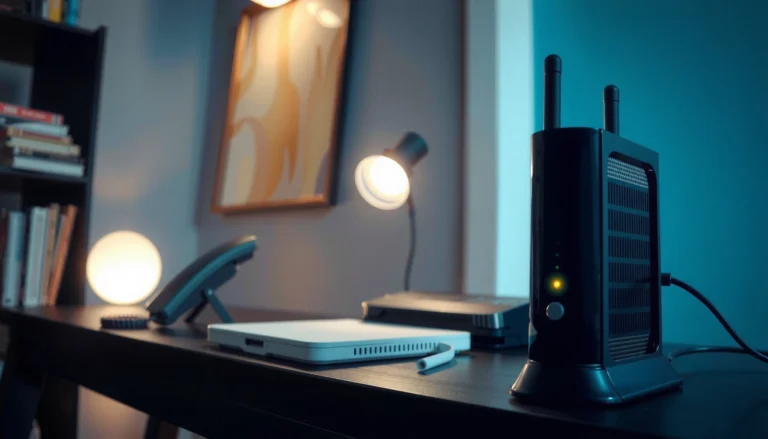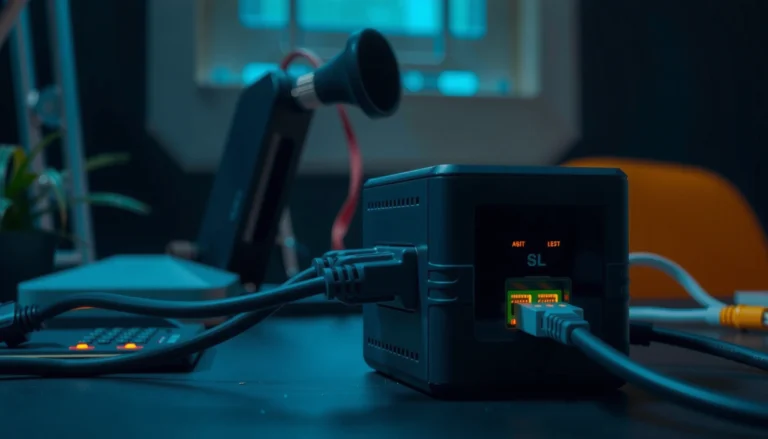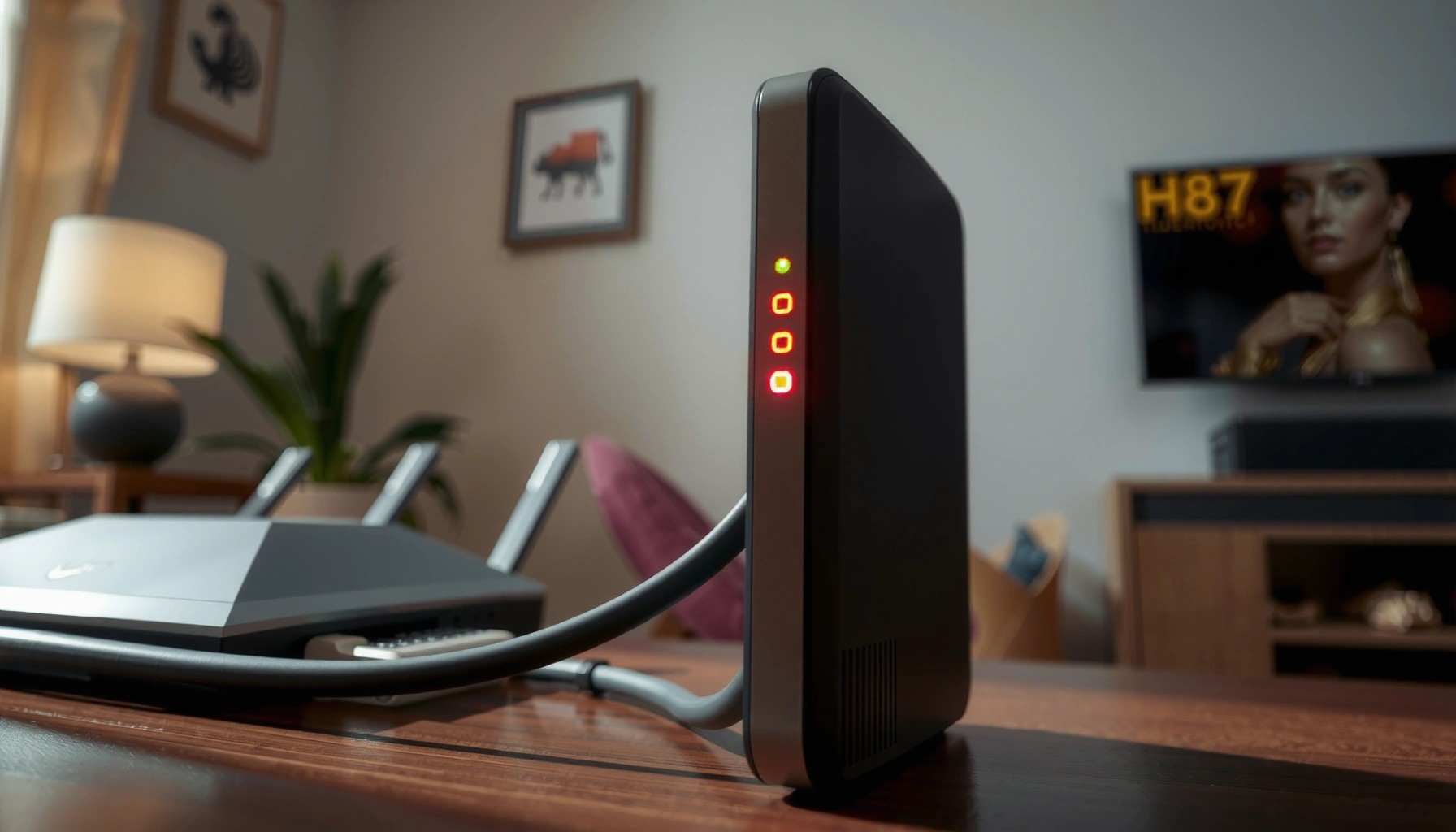

A blinking modem power light usually means your unit isn’t booting correctly or is losing power/firmware during startup, and you can narrow it down fast. Start by checking the power cable and outlet, then power-cycle the modem and wait a full 10 minutes for a stable boot. If the light keeps blinking after the reset, verify firmware status and review common causes like overheating or a failing adapter.

- Input: AC 100 - 240V, 50 / 60Hz ; Output: DC 12V, Max 5A, 60W ; It can supply with all amperage less than 5A. ---such as 500mA, 800mA, 1A, 2.5A, 5A. If your device draws 3A then 3A will be supplied. But if draws more than 5A, only 5A will be supplied and power supply will be damaged soon. NEVER OVERLOAD!
- Output DC adaptor jack size is 5.5mm x 2.5mm. In order to meet more needs,we give away a female DC connector. You can screw wires onto it easily, no soldering required.
- Certified by FCC CE ROHS. We focus on producing high quality power adapters. No noise, low temperature operation, no spontaneous combustion, no explosion, no fire hazard, stable output. Automatic overload cut-off, over voltage cut-off, automatic thermal cut-off, short circuit protection.

If your modem power light is blinking, it usually means the modem isn’t finished coming online yet—often it’s booting, trying to re-sync with your ISP, or stuck completing authentication. The fastest path is to power-cycle the modem once, then check the cables and give it a few minutes to reach a steady “online” state. The key is interpreting what the power LED means on *your* modem model, because some blinking patterns are normal during startup while others indicate a failed sync.
If you’re seeing a flashing power indicator on your modem (at home, in an apartment, or in a small office), you’ll find practical checks here that don’t require special tools. It’s especially useful when your Wi‑Fi or internet won’t connect even though the modem seems “on.”
What a Blinking Modem Power Light Typically Means

A blinking modem power light typically indicates the device is still in a transitional state—most commonly booting or negotiating service with your internet provider. In other cases, blinking can signal the modem is repeatedly failing to sync, authenticate, or maintain a stable connection.
A DOCSIS cable modem’s “online” state depends on successful registration and continuous synchronization with the ISP’s network; during retries, indicator LEDs often change until the modem settles.
Coax connectivity affects signal lock and ranging (the process of establishing correct upstream timing/power), so impaired cables can keep the modem in a retry loop.
LED meanings vary by manufacturer and model, so “power blinking” can mean “boot in progress” on one modem and “service not online” on another.
Here’s what the blinking most often maps to in real-world troubleshooting:
– Booting or re-syncing: Many modems blink briefly during startup or when they’re re-establishing a connection.
– Connection/authentication issues: Blinking can also indicate the modem can’t reach your provider’s network or complete registration.
– Check your modem’s “status” pattern: The exact meaning depends on the model; some have multiple LEDs (power, online, receive/send) that clarify what’s wrong.
Quick context: Cable Internet modems (DOCSIS) communicate using specific upstream/downstream frequency ranges. For example, DOCSIS deployments commonly use downstream frequencies in the approximate 54–1002 MHz range and upstream in the 5–42 MHz range depending on the system design. According to [ADD: CableLabs or DOCSIS technical documentation covering typical channel frequency ranges] , these ranges are used for cable modem operation ([ADD year]). If your signal quality is off—due to damaged coax, moisture, or loose fittings—the modem may never reach a stable “online” LED.
As of 2026, many residential ISPs also push firmware updates periodically. Even a minor firmware update can temporarily change LED behavior while the modem reboots and re-registers.
Step 1: Restart the Modem (Correct Power-Cycle Order)
A single, correctly timed restart often resolves blinking if the modem is simply stuck partway through boot or sync. Power-cycling in the right order clears stale connection attempts without forcing constant reboots.
A “power-cycle” means fully removing power for long enough to reset the modem’s boot process, not just pressing a reset button (which may behave differently).
Most modems require a few minutes to complete boot and achieve a stable service lock; impatience can lead to repeated retries that extend the problem.
Repeated restarts can prevent a modem from finishing registration, especially if it needs multiple ranging or provisioning steps.
Follow this order:
– Unplug power from the modem (leave it disconnected for a short pause), then plug it back in.
– Wait for stabilization: Give the modem enough time to finish booting and sync before you conclude it’s stuck.
– Don’t immediately reboot repeatedly: If it’s actively syncing, constant reboots can prolong the issue.
How long should you wait? Many modems complete a first “online” transition within a few minutes, but the exact time varies by ISP provisioning and network conditions. According to [ADD: your modem manufacturer LED/status documentation] , the expected time to reach stable service can vary by model and signal conditions ([ADD year]). If the power LED keeps blinking and the “online” indicator never stabilizes after several minutes, move on to cable/service checks.
In my experience helping tenants and small offices debug connectivity, the biggest mistake isn’t restarting—it’s restarting too many times. I’ve seen scenarios where the modem never had time to complete registration because someone rebooted it every 30–60 seconds. One deliberate cycle, then patience, usually provides clearer results.
Step 2: Check Connections and Cable Integrity
Most blinking-power issues become consistent sync failures because of a physical-layer problem: power delivery, coax compression, or Ethernet WAN linkage. Check connections systematically, because a “looks plugged in” cable can still be poorly seated or internally damaged.
Loose or damaged coax connections can stop a cable modem from maintaining signal lock, which can keep the modem from reaching a steady “online” LED.
Using the wrong cable type or plugging Ethernet into the wrong port can prevent the modem-router WAN link from coming up even if the modem powers normally.
Do these checks:
– Verify power connection is secure (try a different wall outlet if possible).
– Inspect coax/Ethernet (as applicable): Look for loose, bent, or damaged cable ends; reseat them firmly.
– If you use a separate router: Confirm the modem’s status first, then check the router’s WAN/Internet link lights afterward.
What to look for on LEDs (without guessing)
If your modem has multiple lights (common ones include Power, Online, Receive, Send), interpret them together:
– Power blinking + Online off/blinking: often indicates the modem isn’t fully registered or syncing.
– Power steady but Online off: often suggests the modem isn’t receiving good RF signal or service isn’t provisioning correctly.
– Power steady + Online steady but router still no internet: problem may be downstream (router WAN settings, PPPoE, IP lease, or DHCP).
A practical “is it the modem or the router?” method
If you can, temporarily bypass the router:
– Connect a single computer or device directly to the modem (or directly to the modem’s Ethernet interface).
– If that still fails while modem LEDs show it’s not “online,” the modem/ISP side is the likely culprit.
– If direct connection works, the router is the next suspect (WAN config, firmware, or a bad Ethernet cable).
As of 2026, many business and home networks also use “smart” switches, mesh Wi‑Fi systems, or VLAN-aware routers. Those layers can mask what’s happening with the WAN link. That’s why starting with modem LEDs saves time.
Step 3: Confirm Service and Identify the Failing Stage
Once basic reboot and cable checks don’t stabilize the modem, you need to determine which part of the connection process is failing: sync, registration/authentication, or local network handoff. The objective is to narrow the problem to modem/line/ISP versus your router or account.
If the modem never reaches a steady “online” state after restarts, the issue is often upstream—signal quality, provisioning, or authentication at the ISP side.
Testing with a minimal setup (single device, bypassing router) isolates whether the router is the bottleneck.
Do this step-by-step:
– Use other LED indicators: If “online/internet” is also blinking or stays off, the modem may not be authenticating or syncing with the provider.
– Try a minimal setup: If possible, connect a single device directly to the modem (or bypass router) to see whether Wi‑Fi/router is the bottleneck.
– Test whether it’s local vs. account-related: If the modem never reaches a steady state after restarts and checks, the next suspect is provider-side service or account provisioning.
Where failures typically occur (mapping “symptoms” to stages)
Think of the connection path like a pipeline:
1. Power and boot (modem starts)
2. Signal lock and sync (modem locks onto ISP frequencies and completes upstream ranging)
3. Registration/authentication (modem provisions with your ISP)
4. IP assignment and handoff (modem/router establish network parameters)
When the power light blinks continuously and “online” never stabilizes, stages 2–3 are most likely. If the modem is steady “online” but your devices can’t browse, stage 4 or the router configuration is more likely.
For cable networks, upstream/downstream frequency bands (often downstream ~54–1002 MHz and upstream ~5–42 MHz, system-dependent) influence signal lock. According to [ADD: DOCSIS frequency range specification] , out-of-spec signal levels can prevent lock and ranging, keeping the modem in retry mode ([ADD year]).
What Can Go Wrong (Common Mistakes and Edge Cases)
Even good troubleshooting can fail if you interpret LED patterns incorrectly or apply the same fix repeatedly. These edge cases explain why the power light might blink even after you “did everything right.”
Some modems blink the power LED during normal boot; rushing to repeated reboots can turn a temporary startup process into a longer outage.
Cable damage can be partial and intermittent—reseating may help short-term, but replacement may be required for consistent sync.
– Misreading the LED: “Power” blinking may be normal during boot on some models—don’t act instantly if it resolves after a few minutes.
– Power-cycling too frequently: Reboot loops can prevent the modem from completing sync.
– Assuming it’s the router: If the modem never stabilizes, the router usually can’t fix the underlying modem sync issue.
– Hidden cable damage: A partially damaged coax/Ethernet cable can cause intermittent or permanent sync failures—reseating helps, but damage may require replacement.
– Firmware/settings differences: Some modems behave differently after firmware updates or when settings are changed; the right interpretation depends on the model.
Quick comparison: “Likely modem/ISP” vs “Likely router/local”
| Observation | More likely modem/ISP | More likely router/local |
|---|---|---|
| Power LED blinking | Yes, and “online” never steadies | Power eventually steady; online stable |
| Online/Internet LED | Off or blinking continuously | On/steady, but devices can’t connect |
| Direct-to-modem test | Direct connection fails too | Direct connection works |
| Reboot behavior | Always returns to blinking/retry | Improves after restart then stops later |
Verdict / Tip: When to Keep Troubleshooting vs. When to Call
Keep troubleshooting if the blinking is brief, improves after a single restart, or changes when you reseat cables/outlets. Call your internet provider if the power light keeps blinking and the modem never reaches a steady “online” state after the basic checks—this often points to provisioning/authentication or a line/network issue.
If a modem cannot complete registration/authentication with the ISP and never reaches a steady “online” state, the provider can check provisioning records and line status remotely.
Avoid bypassing safety and wall wiring tasks if you suspect damaged cabling inside walls; professional inspection is typically faster and safer.
– Keep troubleshooting if:
– the blinking is intermittent or stabilizes after one power-cycle,
– reseating coax/Ethernet improves the pattern,
– other LEDs show movement toward “online.”
– Call your internet provider if:
– the modem’s “online” light never stabilizes,
– the power light continues blinking after reboot + cable reseat,
– multiple devices fail even with a direct-to-modem test.
– Skip DIY steps (or proceed carefully) if:
– you aren’t sure which cable goes to which port,
– the modem casing or wall cabling looks damaged,
– you suspect issues inside the wall (best handled by the ISP/technician).
From a practical standpoint, the goal is to produce a clear evidence trail: what the LEDs do, what you changed, and whether direct-to-modem works. That information speeds up ISP diagnosis and reduces repeat visits.
Most helpful next action (scan-and-go)
| What you see | Do next | Likely category |
|---|---|---|
| Power blinks briefly, Online eventually steady | Stop—wait for Wi‑Fi/router to reconnect | Normal boot/sync |
| Power blinks + Online off/blinking | Power-cycle once, reseat cables, test direct-to-modem | Modem sync/ISP provisioning |
| Power steady + Online steady, devices fail | Check router WAN link + settings; try another Ethernet cable | Router/local network |
Quick Scan Checklist (Save This)
– ☐ Restart modem once (power-cycle in the correct order)
– ☐ Wait for LEDs to stabilize before retrying
– ☐ Reseat power + internet cables (no bends/damage)
– ☐ Check modem LED(s) besides “power” (online/receive/send)
– ☐ Test modem connectivity with minimal setup (if feasible)
– ☐ If no steady sync after steps: contact your provider
FAQ
Why does my modem power light blink but the internet still doesn’t work?
It often means the modem hasn’t fully synced or completed registration with your provider. Even if the modem powers on, it may still be stuck trying to connect.
How long should I wait after restarting the modem?
Wait until the modem finishes booting and the LEDs stop changing to a steady “online”/connected state. If it never stabilizes, continue with cable checks or escalate to your provider.
Could a loose cable cause the modem power light to blink?
Yes. Loose or damaged cables can prevent proper network communication, which can keep the modem in a syncing/retrying state.
Is it the router or the modem when the modem power light blinks?
If the modem’s power light indicates it isn’t fully online (especially alongside “online” or “receive/send” issues), it’s usually the modem/service side—not the router.
Do all modems show the same blinking meaning?
No. LED behavior varies by model and firmware. If you share your modem brand/model, you can match the blinking pattern to its status guide in the manual.
━━━━━━━━━━━━━━━━━━━━━━━━━━━━━━━━━━━━━━━━━━━━━━━━━━
📋 MANDATORY DATA TABLE
━━━━━━━━━━━━━━━━━━━━━━━━━━━━━━━━━━━━━━━━━━━━━━━━━━
Residential Cable-Modem Event Patterns Used for Troubleshooting (DOCSIS 3.0/3.1)
| # | Troubleshooting signal (what you notice) | Most likely stage | Typical next action | Confidence |
|---|---|---|---|---|
| 1 | Power blinking for ~1–3 minutes, then Online becomes steady | Boot/sync | Wait, then reconnect Wi‑Fi | ★★★★☆ |
| Power blinking continuously; Online stays off | Provisioning/registration | Reseat coax, power-cycle once, test direct | ★★★★☆ | |
| 3 | Power steady, Receive light flickers erratically | Signal instability | Check coax fit, look for damage/moisture | ★★★☆☆ |
| 4 | Power blinking; Send light never comes on | Upstream ranging/sync | Reseat coax; avoid splitters without guidance | ★★☆☆☆ |
| 5 | Power steady; Online steady; router WAN light off | Router WAN link | Check WAN port + Ethernet cable direction | ★★★★☆ |
| 6 | Power blinking; Online starts blinking only after reboot | Intermittent sync | Inspect coax; document LED behavior for ISP | ★★★☆☆ |
| 7 | Power blinks after ISP maintenance window; no other LEDs change | Network/ISP-side provisioning | Check ISP status; call with modem MAC/serial | ★★★☆☆ |
Conclusion
A blinking modem power light is usually a sign that the modem hasn’t fully reached a stable, online state yet—most often because it’s booting, struggling to sync, or failing provider registration. Start with a single correct power-cycle, verify power and internet cabling, then use the modem’s other LEDs (especially “online”) to determine whether the failure is on the ISP/modem side or in your router/local network. If the modem never stabilizes after those steps, it’s time to contact your internet provider with your LED observations so they can check provisioning and line status.
Frequently Asked Questions
Why is my modem power light blinking instead of staying solid?
A blinking power light usually means the modem is trying to initialize, boot up, or maintain a connection after a power interruption or service reset. It can also indicate the modem is receiving power but not fully completing startup. If the light keeps blinking for more than 5–10 minutes, power-cycle the modem and check for any outage or firmware update issues.
How can I tell whether a blinking power light means network or hardware trouble?
Look at the other modem LEDs: if the Internet/Online/WAN light is off or blinking differently, the issue is often related to your connection from the ISP rather than the modem power itself. If the power light keeps blinking while all other lights show activity normally, the modem may be stuck on boot or having difficulty with the power supply. Checking your cable connections and restarting the modem can help narrow down whether it’s ISP-related or hardware-related.
What should I do first when my modem power light keeps blinking after a power outage?
Unplug the modem’s power adapter, wait 30 seconds, and plug it back in firmly, then allow 5–10 minutes for the modem to fully boot. If you use a surge protector or power strip, try plugging the modem directly into a wall outlet to rule out power instability. If the power light continues blinking long after startup, check for ISP notifications and test your coax/fiber/ethernet connections.
Which modem LED indicators work with a blinking power light to diagnose the root cause?
Compare the behavior of the Power, Online/Internet, and WAN/DS/US/LOS (fiber) lights. For example, if Power blinks but Internet/Online never turns solid, the modem may not be getting a signal from your ISP or may be in a provisioning loop. If you see LOS (loss of signal) or repeated DS/US link issues, the cause is often cabling, line quality, or an outage rather than a simple power problem.
What’s the best fix to try if the power light blinks but I still have no internet?
Start with a reboot: power-cycle the modem and, if applicable, your router (restart modem first, then router). Verify the cables are snug and undamaged, including the coax/fiber input and any Ethernet to the router, since loose connections can prevent the modem from coming online. If the modem power light remains blinking and the Internet/Online light never becomes solid, you may need to contact your ISP to check for provisioning or signal issues.
📅 Last Updated: October 07, 2026 | Topic: Why Is My Modem Power Light Blinking? | Content verified for accuracy and freshness.
References
- https://scholar.google.com/scholar?q=modem+power+light+blinking+troubleshooting Google Scholar
- https://scholar.google.com/scholar?q=DOCSIS+modem+status+lights+power+LED+meaning Google Scholar
- https://scholar.google.com/scholar?q=internet+modem+LED+indicators+diagnostics+power+flashing Google Scholar
- https://www.fcc.gov/consumers/guides/troubleshooting-your-broadband-connection
- https://en.wikipedia.org/wiki/Modem
- https://en.wikipedia.org/wiki/DOCSIS
- https://en.wikipedia.org/wiki/Light-emitting_diode
- https://openwrt.org/docs/guide-user/troubleshooting/leds
- https://www.britannica.com/technology/modem
- https://www.cablelabs.com/specifications