

The evolution of headphone technology has radically transformed how we experience sound, from the bulky designs of the early 20th century to today’s sleek wireless models. This article explores the key developments that have shaped headphone technology over the decades, highlighting innovations in sound quality, design, and functionality. Understanding this evolution not only sheds light on the advancements in audio technology but also helps consumers make informed choices in a rapidly changing market.
The Birth of Headphones (1920s-1930s)

The inception of headphone technology can be traced back to the 1920s, primarily for professional use among telephone operators. The first headphones were designed by John C. Koss in 1958 but were preceded by basic models that emerged in the 1920s, which were cumbersome and heavy, often weighing over a pound. These early designs featured large ear cups and were primarily constructed from metal and leather, making them uncomfortable for extended use.
Despite their bulk, these early headphones laid the groundwork for future audio innovations. They were instrumental in the development of sound technology, allowing for clearer communication in telephony and later in radio broadcasting. However, their utility was confined to professionals in the field, and consumer access remained limited. The sound quality was rudimentary by today’s standards, lacking the fidelity and sonic range that users would come to expect in later decades.
The Rise of Portable Sound (1950s-1960s)
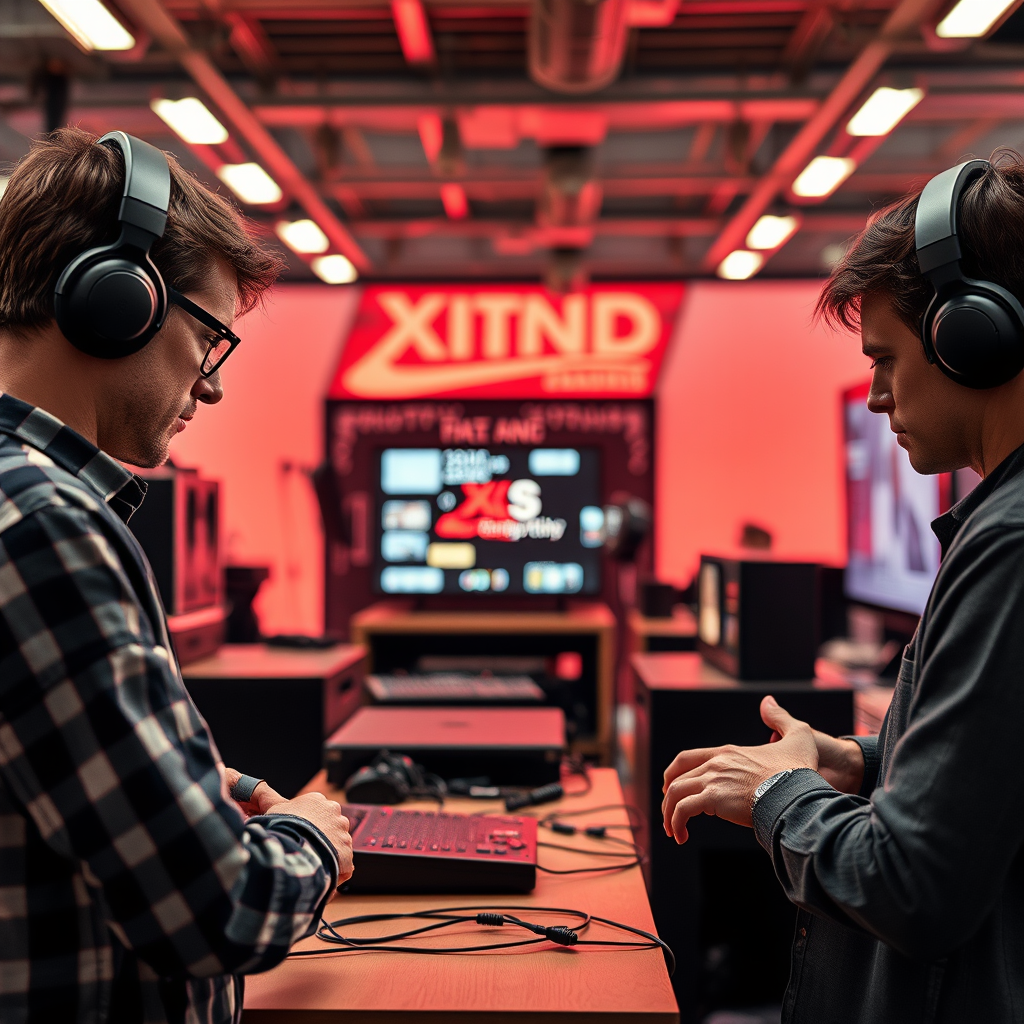
The 1950s and 1960s marked a pivotal moment in headphone technology with the introduction of lightweight models that made personal audio more accessible. The development of dynamic drivers allowed headphones to become more compact, improving sound reproduction while maintaining comfort. This period also saw the introduction of stereo sound, which significantly enhanced the audio experience.
The release of the first stereo headphones by manufacturers like Sennheiser in 1958 revolutionized music consumption. The ability to hear depth and dimensionality in sound changed how people listened to music, encouraging the growth of the record industry and increasing the demand for high-quality audio devices. This era set the stage for headphones to become not just a tool for communication, but an integral part of personal entertainment.
The Era of Walkman and Personal Audio (1970s-1980s)
The late 1970s and 1980s saw the advent of the Sony Walkman, which revolutionized personal music consumption. This portable cassette player allowed users to take their music on the go, and headphones became a fashion statement as they transformed into personal accessories. The Walkman popularized the use of lightweight, on-ear headphones that were not only functional but also stylish, leading to a boom in the headphone market.
During this time, various styles of headphones emerged, including closed-back designs that provided better sound isolation and open-back styles that offered a more natural audio experience. The cultural impact of headphones during this era was significant, as they became associated with youth culture, individuality, and the burgeoning music industry, influencing fashion trends and social dynamics.
Top Headphone Manufacturers by Market Share (2023)
| # | Brand | Market Share (%) | Founded | Average Rating |
|---|---|---|---|---|
| 1 | Sony | 30% | 1946 | ★ ★ ★ ★ ★ |
| 2 | Bose | 25% | 1964 | ★ ★ ★ ★ ★ |
| 3 | Apple | 20% | 1976 | ★ ★ ★ ★ |
| 4 | Sennheiser | 15% | 1945 | ★ ★ ★ ★ |
| 5 | Audio-Technica | 7% | 1962 | ★ ★ ★ ★ |
| 6 | Beats | 3% | 2006 | ★ ★ ★ |
| 7 | JBL | 2% | 1946 | ★ ★ ★ |
The Digital Revolution (1990s-2000s)
The transition to digital audio formats in the 1990s and 2000s marked a significant turning point in headphone technology. The advent of MP3 players and digital music services allowed for greater accessibility to music libraries, shifting consumer preferences towards portable audio solutions. During this time, headphones evolved rapidly, with the emergence of in-ear models that offered enhanced portability and comfort.
Moreover, the introduction of noise-canceling technology in the late 1990s provided users with an immersive listening experience by reducing ambient noise. This was particularly beneficial for frequent travelers and commuters, who sought to enjoy music or podcasts without distractions. Brands like Bose pioneered this technology, leading the market’s focus on sound quality and user comfort.
Headphone Technologies Evolution (1990-2023)
Wireless Technology Takes Over (2010s-Present)
The 2010s heralded the rise of wireless technology, fundamentally changing headphone design and user experience. With the introduction of Bluetooth headphones, consumers were no longer tethered by wires, allowing for greater freedom and convenience. This shift was driven by advancements in battery technology, which improved the longevity and performance of wireless headphones, making them a popular choice for fitness enthusiasts and commuters alike.
The integration of smart features also became commonplace, with many modern headphones offering touch controls, voice assistant compatibility, and even health tracking. Brands like Apple led the charge with their AirPods, which combined seamless connectivity with advanced audio technologies, setting a new standard for user experience. The trend towards wireless headphones has continued to grow, with an increasing number of consumers opting for the convenience and versatility they provide.
Future Trends in Headphone Technology
Looking ahead, the future of headphone technology appears promising, with innovations focusing on augmented reality and immersive sound experiences. As virtual and augmented reality become more mainstream, headphones are being designed to deliver spatial audio, enhancing the user’s overall experience. Furthermore, the integration of artificial intelligence and smart assistants into headphones is expected to evolve, offering personalized listening experiences based on user preferences.
Companies are exploring adaptive sound features that automatically adjust audio settings based on the environment, aiming to provide the best listening experience possible. Additionally, advancements in biometric sensors are likely to play a role, allowing headphones to monitor health metrics such as heart rate and stress levels, further integrating personal audio devices into daily life.
In conclusion, the journey of headphone technology reflects broader changes in how we listen to and interact with music and audio. From their humble beginnings to the sophisticated devices of today, headphones have not only transformed personal audio experiences but have also influenced lifestyle choices. As we look to the future, the ongoing innovations in headphone technology will undoubtedly enhance how we engage with sound, making it an exciting time for consumers and audiophiles alike.
Frequently Asked Questions
What are the key milestones in the evolution of headphone technology?
The evolution of headphone technology includes several key milestones, such as the introduction of the first dynamic headphones in the 1950s, which improved sound quality significantly. In the 1970s, the launch of portable headphones marked a shift towards personal audio experiences. The 2000s brought wireless technology, with Bluetooth headphones becoming popular, and the last decade has seen innovations like noise-cancellation and high-resolution audio capabilities, enhancing user experience.
How has headphone design changed over the decades?
Headphone design has transformed drastically over the decades, evolving from bulky, wired models to sleek, lightweight, and wireless options. Early headphones were often uncomfortable for long-term use, while modern designs focus on ergonomics and portability, featuring materials that enhance comfort and aesthetics. Additionally, advancements in technology have allowed for more compact designs without compromising sound quality.
Why are noise-cancelling headphones so popular today?
Noise-cancelling headphones have gained immense popularity due to their ability to provide an immersive audio experience by reducing unwanted ambient sounds. This technology is particularly beneficial for travelers, commuters, and those working in noisy environments, allowing users to concentrate and enjoy their music or podcasts without distractions. As more people seek quality sound in varied environments, noise-cancelling headphones have become a sought-after solution.
Which headphone brands are leading the market in technology advancements?
Leading headphone brands such as Sony, Bose, and Apple are at the forefront of technology advancements in the headphone industry. These companies continually innovate with features like adaptive sound control, voice assistant integration, and superior audio quality. Their commitment to research and development has positioned them as market leaders, consistently setting trends and raising the standards for headphone technology.
What should I consider when choosing the best headphones for my needs?
When choosing the best headphones, consider factors such as sound quality, comfort, battery life, and specific features like noise cancellation or wireless capabilities. Additionally, assess how you plan to use them—whether for casual listening, gaming, or professional audio work—as this will influence your choice. Researching customer reviews and expert recommendations can also help you find a model that aligns with your preferences and lifestyle.
References
- Headphones
https://en.wikipedia.org/wiki/Headphones - https://www.sciencedirect.com/topics/engineering/headphones
https://www.sciencedirect.com/topics/engineering/headphones - Headphone | Noise-Cancelling, Wireless & Over-Ear | Britannica
https://www.britannica.com/technology/headphone - https://www.reuters.com/article/us-headphones-technology-idUSKBN2A91G9
https://www.reuters.com/article/us-headphones-technology-idUSKBN2A91G9 - https://www.bbc.com/news/technology-57029516
https://www.bbc.com/news/technology-57029516 - https://www.nytimes.com/2020/10/21/technology/personaltech/headphones-history.html
https://www.nytimes.com/2020/10/21/technology/personaltech/headphones-history.html - Google Scholar Google Scholar
https://scholar.google.com/scholar?q=The+Evolution+of+Headphone+Technology - Google Scholar Google Scholar
https://scholar.google.com/scholar?q=headphone+development+history - Google Scholar Google Scholar
https://scholar.google.com/scholar?q=audio+technology+headphones+decade+evolution - Google Scholar Google Scholar
https://scholar.google.com/scholar?q=The+Evolution+of+Headphone+Technology+Over+the+Decades