
Choosing the right sound system for small churches and houses of worship is essential for creating an uplifting and engaging worship experience. A sound system that prioritizes clarity, ease of use, and adaptability can significantly enhance the connection between leaders and the congregation. In this article, you’ll discover top recommendations, essential features to look for, and tips on installation and budgeting, ensuring you find the perfect sound solution for your space.



Understanding Your Acoustic Needs
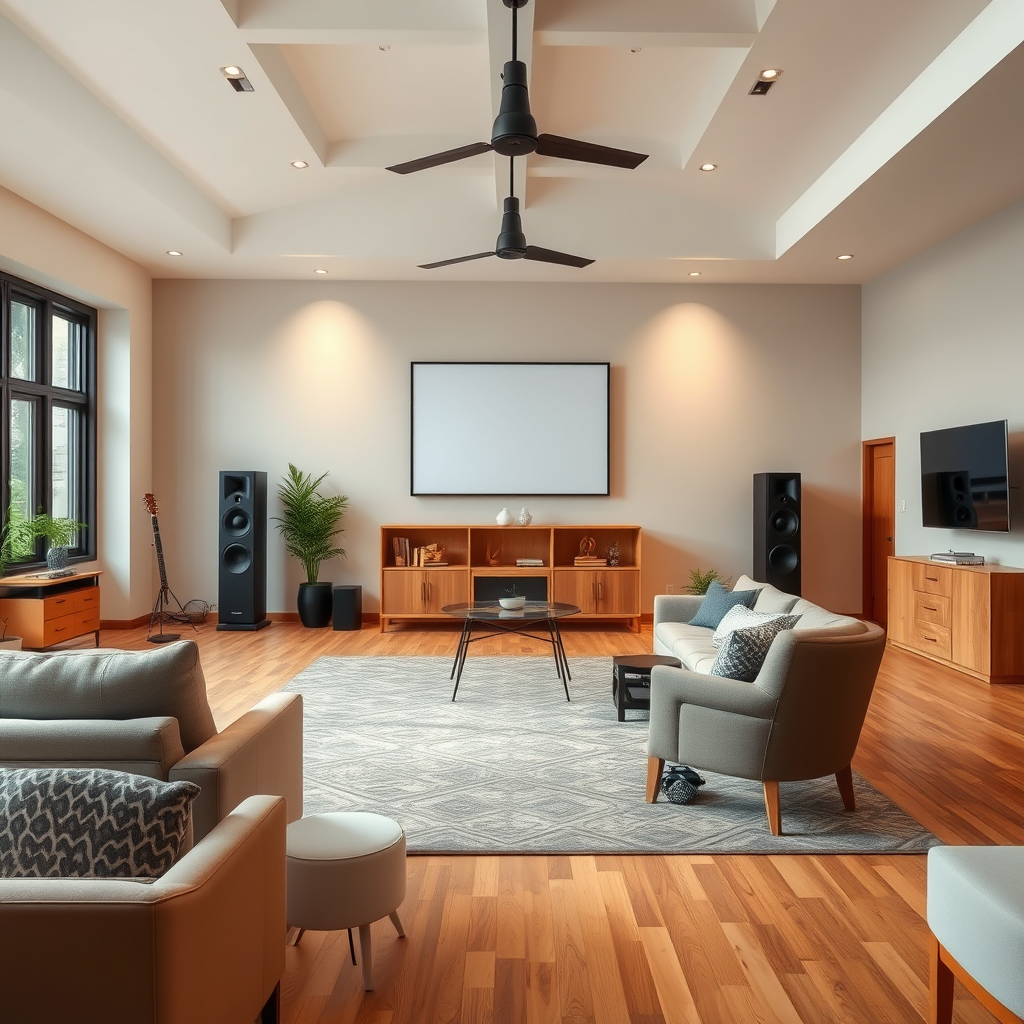
To select the best sound system, start by assessing the size and layout of your worship space. Is your church a cozy gathering of a few dozen or a larger assembly that seats several hundred? The dimensions and architectural features, like high ceilings or hard surfaces, can affect sound projection and clarity. For example, a smaller room may require fewer speakers and a simpler system, while larger spaces might need more advanced setups with multiple speakers for even sound distribution.
Next, consider the types of events hosted in your space. Regular Sunday services may have different audio needs than choir performances or community gatherings. For instance, if your church hosts live music or dynamic speakers, investing in a system that accommodates various sound inputs and outputs will be crucial. Understanding these factors helps you tailor your sound system to meet your specific needs effectively.
Key Features of Sound Systems
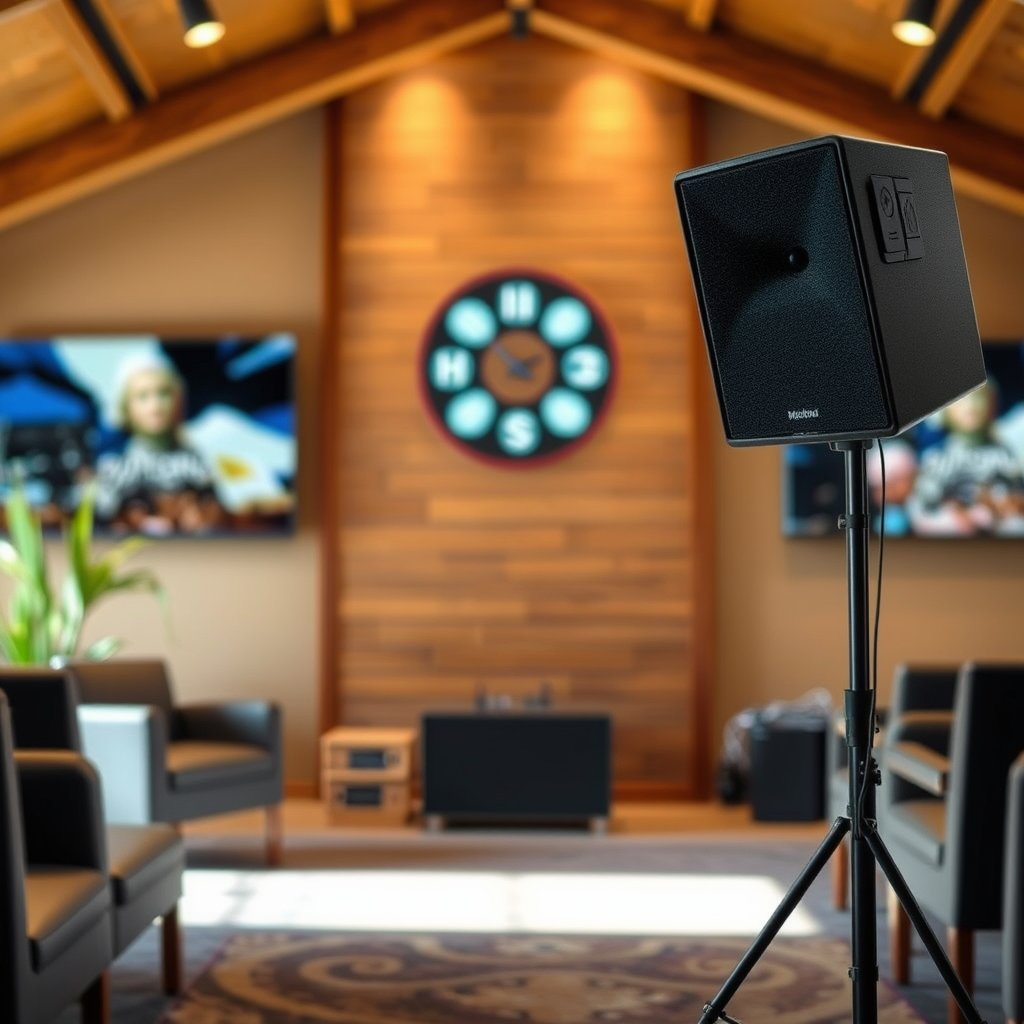
When evaluating sound systems, certain key features can significantly enhance the quality of your audio experience. First and foremost, look for systems that offer a variety of microphone options, including handheld and lapel mics. Handheld mics are great for dynamic speakers, while lapel mics allow for hands-free use during presentations or performances.
Additionally, prioritize systems equipped with built-in equalizers. These allow you to optimize sound quality based on your space’s acoustics and the type of event. For example, if your church has a lot of hard surfaces, a good equalizer can help adjust frequencies to reduce echoes and improve clarity. Accessibility features are also vital; a user-friendly interface can make all the difference for volunteers who may not have technical expertise.
Top Sound System Recommendations
When it comes to reliable brands, Yamaha, Behringer, and Bose are well-respected in the audio community for small venues, including houses of worship. The Yamaha MG10XU is a fantastic choice for small churches, offering a compact mixer with built-in effects and USB connectivity for easy recording and streaming.
Another excellent option is the Behringer X-Air XR18, a digital mixer that provides flexibility for both live sound and recording. Its wireless control allows users to adjust settings from a tablet or smartphone, making it ideal for tech-savvy congregations.
Lastly, the Bose L1 Compact system is renowned for its high-quality sound and portability. Its unique design means it can be easily set up and taken down, making it perfect for smaller worship spaces that require mobility. Each of these systems has garnered positive reviews from users in worship settings, highlighting their reliability and performance.
Installation and Setup Considerations
Installation is a crucial step in maximizing your sound system’s potential. For smaller budgets, DIY installation can be a cost-effective option, but it’s essential to have a basic understanding of audio equipment and acoustics. If you choose to go the DIY route, consider online tutorials or community workshops that focus on audio setup and sound engineering basics.
On the other hand, professional installation can save you time and ensure optimal performance. Professionals can assess your space, provide insights into speaker placement, and help avoid common pitfalls like sound distortion. For instance, placing speakers too close to walls can create feedback issues, while uneven speaker placement can lead to dead spots in the room.
For optimal sound coverage, aim to position speakers at ear level and ensure they are directed toward the audience. This setup will provide a clear and engaging auditory experience for everyone in attendance.
Budgeting for Your Sound System
When budgeting for a sound system, it’s essential to consider the pricing ranges for different quality levels and features. Entry-level systems can start around $300, while more advanced setups may cost several thousand dollars, depending on the capabilities you need. It’s wise to set a realistic budget that reflects the specific needs of your congregation and the type of events you’ll host.
Moreover, don’t forget to account for potential hidden costs. Installation fees can add up, especially if you opt for professional help. Maintenance costs, including replacement parts and servicing, should also be factored into your budget. Planning for these expenses will ensure you have a comprehensive financial outlook for your sound system investment.
Maintenance and Support
Regular maintenance is vital for ensuring the longevity and performance of your sound system. Dust and debris can accumulate in microphones and speakers, impacting sound quality, so routine cleaning is essential. Set a schedule for checking connections, testing equipment, and replacing any worn-out parts.
Additionally, technical support is crucial, especially for systems with digital components. Most reputable brands offer customer service and technical support to assist with troubleshooting common issues. Online forums and local audio communities can also be invaluable resources for learning and sharing experiences related to sound system maintenance.
Future-Proofing Your System
Investing in a scalable sound system can be a smart move for growing congregations. Look for systems that allow for easy upgrades or expansions, such as adding more speakers or integrating advanced technology over time. This adaptability ensures that your investment continues to meet your needs as your congregation grows.
Moreover, consider features like streaming capabilities that support online worship services. As more congregations expand their outreach through digital platforms, having a sound system that can seamlessly integrate with streaming technology will be a significant advantage.
Summarizing the key points, the right sound system can transform the worship experience in small churches and houses of worship. By assessing your specific needs, understanding essential features, and selecting a system within your budget, you can create an inviting atmosphere for your congregation. Ready to elevate your sound experience? Explore the recommended systems today!
Frequently Asked Questions
What are the essential features to look for in a sound system for small churches and houses of worship?
When choosing a sound system for small churches and houses of worship, it’s important to consider features like clarity of sound, ease of use, and flexibility. Look for systems that offer high-quality microphones, a reliable mixer, and portable speakers. Additionally, wireless capabilities and compatibility with existing equipment can greatly enhance the user experience and ensure that the sound system meets the diverse needs of worship services.
How much should I expect to spend on a sound system for a small church?
The cost of a sound system for a small church can vary widely, typically ranging from $1,000 to $5,000, depending on the quality and features. For a basic setup, you might find entry-level systems around $1,000, but investing in higher quality speakers and mixers will improve sound quality and reliability. It’s wise to create a budget that includes installation and potential future upgrades to accommodate growth in your congregation.
Why is sound quality important in a church setting?
Sound quality is crucial in a church setting because it directly impacts the congregation’s ability to engage with the service. Clear and crisp audio ensures that sermons, music, and announcements are heard effectively, enhancing worship experiences. Poor sound quality can lead to frustration and distraction, diminishing the spiritual atmosphere and connection among congregants.
What are the best sound systems for small churches and houses of worship in 2023?
Some of the best sound systems for small churches and houses of worship in 2023 include the Yamaha StagePas 1K, Bose L1 Compact, and the QSC CP8 speakers paired with a mixer. These systems are well-regarded for their clarity, ease of setup, and portability, making them ideal for smaller venues. Research and read user reviews to determine which system aligns best with your specific needs and budget.
Which type of microphones are best for small church sound systems?
For small church sound systems, dynamic handheld microphones are often preferred for their durability and ability to handle high sound pressure levels, making them ideal for vocal performances. Additionally, lavalier and headset microphones provide hands-free options for speakers and worship leaders, ensuring mobility during services. Consider investing in wireless microphones for added flexibility and to reduce clutter on stage.
References
- Sound system
- https://www.thebalancecareers.com/best-sound-systems-for-churches-2892778
- https://www.churchproduction.com/education/understanding-sound-systems-for-your-church/
- https://www.plymouth.edu/news/2020/10/01/a-guide-to-sound-systems-in-small-churches/
- Sound System Considerations For Church Plants – ChurchTechToday.com | Resources For Today’s Churc…
- https://www.cdc.gov/niosh/docs/2015-107/pdfs/2015-107.pdf
- Mindil Beach Casino Resort |Top Darwin Casino for Real Gaming & Jackpots