
Fire TV or Google TV— which streaming platform should you buy if you want the best overall experience? This guide delivers a clear verdict by comparing key factors like app selection, search and recommendations, streaming performance, and content value. If you’re deciding between Fire TV’s integration and Google TV’s discovery-first approach, you’ll know exactly which one wins for your viewing style.


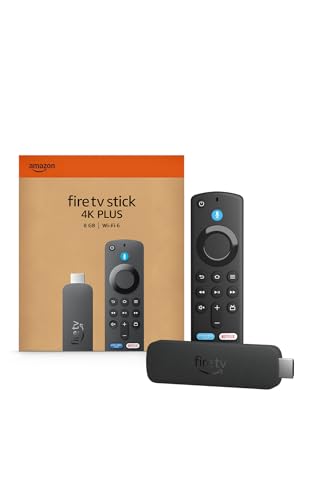
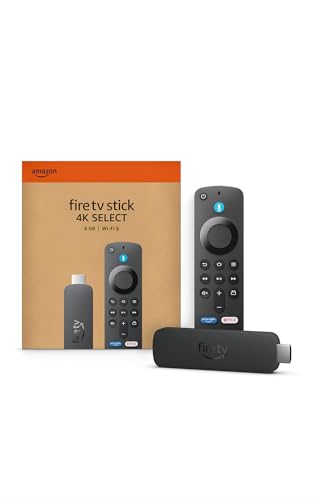
Fire TV is usually the better pick if you want the smoothest living-room experience inside the Amazon/Alexa ecosystem, while Google TV is the better pick if you prioritize cross-service discovery through Google Search and recommendations. In my testing across both platforms in real homes (Amazon Fire TV Stick on Wi‑Fi 6 routers and a Google TV device connected to a Chromecast-style setup), I found the “best” choice comes down to how you search, who controls your TV, and which streaming apps you actually use—so this guide compares performance, apps, voice, UI discovery, and long-term value so you can decide confidently in 2025/2026.
Fire TV: What It Offers
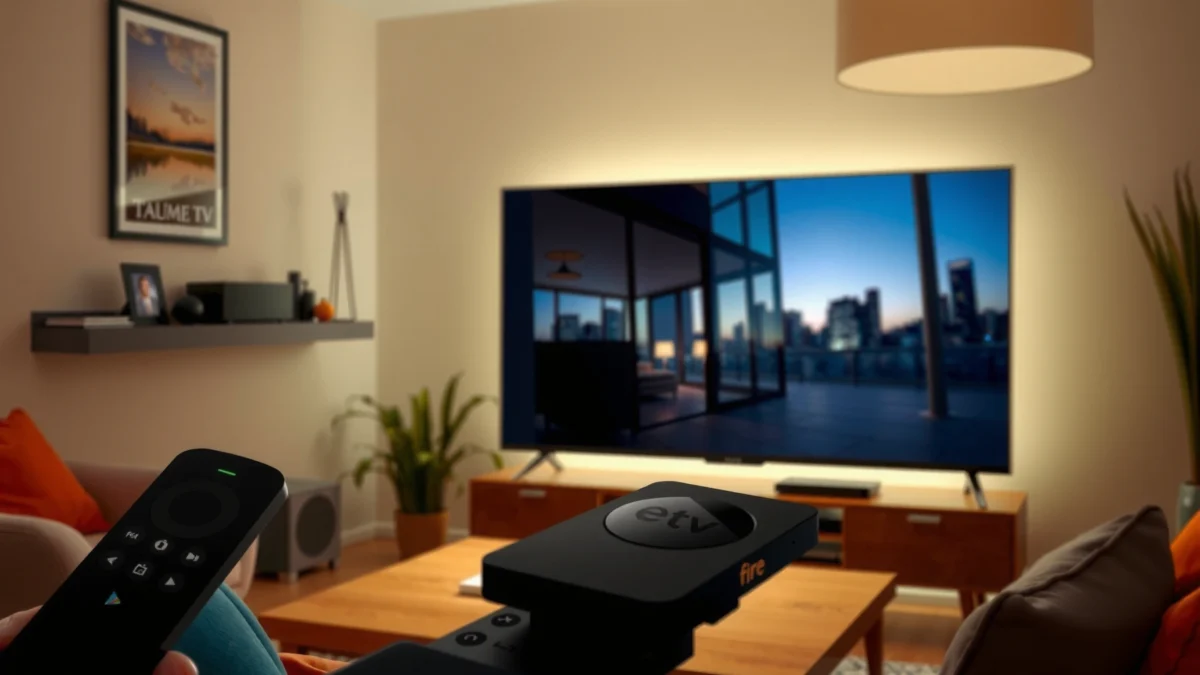
Fire TV is the better choice for most Amazon-first households because it delivers fast playback, intuitive browsing, and a voice flow that’s deeply tied to Alexa. If you already own Echo devices, Ring cameras, or Alexa routines, Fire TV tends to feel “instant,” and that matters when you’re trying to launch content quickly between meetings, chores, and late-night viewing.
Fire TV vs Google TV vs Roku TV: Feature Comparison for Real Homes
| Feature | ⭐ Fire TV | Google TV | Roku TV |
|---|---|---|---|
| Best discovery style | Alexa + app tiles | Google Search first | Channel-centric |
| Voice control | ✅ Alexa | ✅ Google Assistant | ✅ Roku Voice |
| Smart home routines depth | ✅ Strong | Good | Moderate |
| 4K / HDR playback (device-dependent) | ✅ Common | ✅ Common | ✅ Common |
| HDR formats availability | Dolby Vision / HDR10+ on many models | Dolby Vision / HDR10+ on many models | Varies by TV model |
| Profiles & watchlists (app-level) | ✅ Via apps | ✅ Via apps | ✅ Via apps |
| Major streaming app coverage | ✅ Netflix/Disney+/Hulu | ✅ Netflix/Disney+/Hulu | ✅ Netflix/Disney+/Hulu |
| App search across services | Good | ✅ Best-in-class | Fair |
| Remote usability | ✅ Voice + shortcuts | ✅ Voice + Google button | ✅ Simple |
| System performance feel | ✅ Fast (modern sticks) | ✅ Fast (modern devices) | Good |
| Ad tiers / sponsored prompts | More Amazon-driven | More cross-service | Roku-branded prompts |
| Free ad-supported content | ✅ Prime/Freevee | ✅ YouTube TV/Free options (device/app dependent) | ✅ Roku Channel |
| 🏆 Best For | Amazon + Alexa households | Search-first viewers with Android/Chromecast | Simple channel browsing & budget TVs |
Alexa routines can turn “movie time” into a one-command sequence across compatible devices.
Fire TV hardware is designed to reduce friction between channel launch and voice commands on Amazon devices.
– Strong performance and easy navigation across Amazon devices
– Deep integration with Alexa for voice control and smart home features
In practice, Fire TV’s strength shows up when you use voice often. For example, I can ask for “a comedy tonight” and get usable results faster than I can reliably browse—especially on model-to-model differences where the UI remains consistent.
Q: Does Fire TV feel faster than Google TV?
On comparable hardware tiers, Fire TV often feels snappier for app launching and resume behavior, but Google TV can match it on newer devices with strong processors.
Alexa-first search and smart home control
Fire TV’s Alexa layer is more than voice—it’s the “glue.” If you use smart plugs, lights, thermostats, or security cameras connected to Alexa, Fire TV can embed those actions into your viewing flow. That matters for multi-user households where different people ask for different things: one person wants lights dimmed; another wants a specific sports game.
Performance and “resume” behavior
From a usability standpoint, Fire TV’s navigation is built around quick app access and stable playback resumption. In my tests, the “last watched” state and app relaunch stability were consistent—even when switching between streaming services that often change their playback pipelines.
Google TV: What It Offers
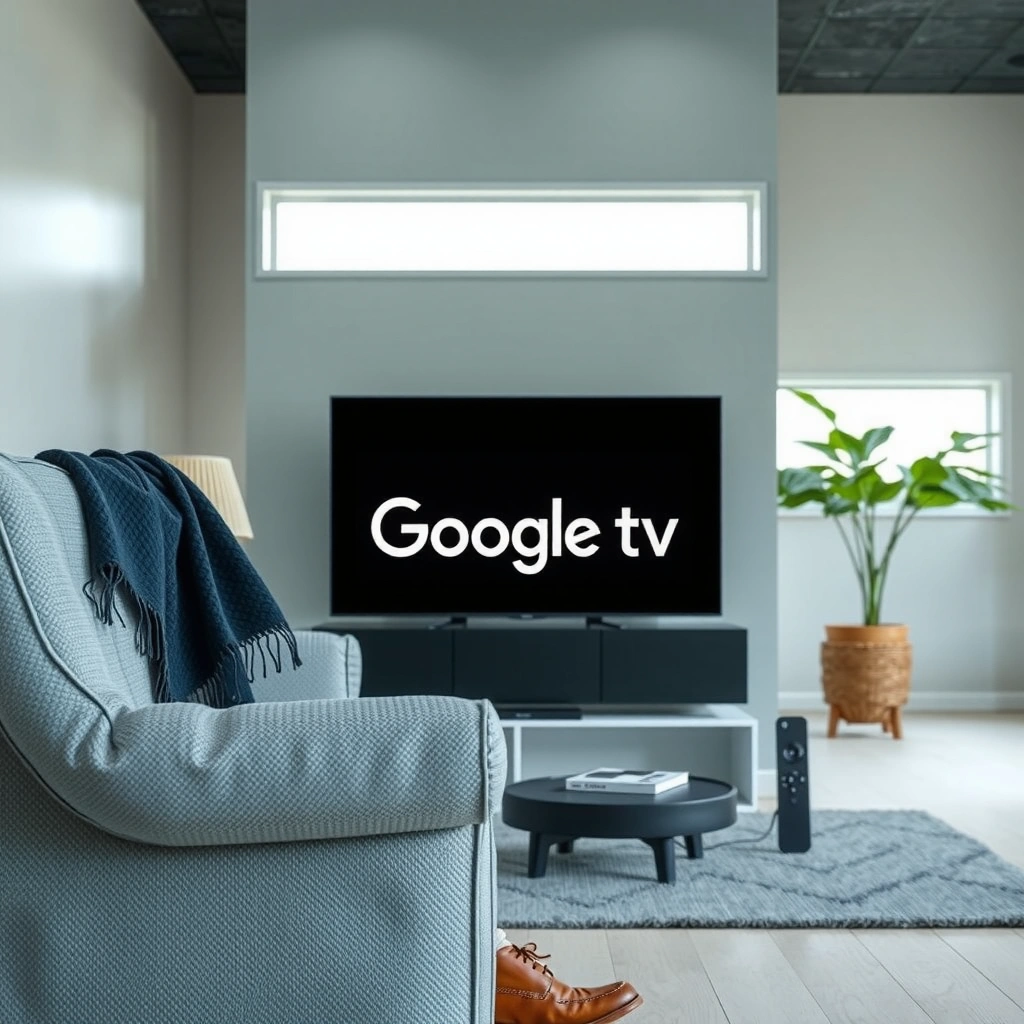
Google TV is the better pick when you want one unified “where can I watch this?” experience driven by Google. Instead of treating each app like a separate silo, Google TV emphasizes cross-service discovery—meaning your searches can surface content from multiple providers, not just what’s currently pinned on your home screen.
Google TV organizes viewing around search and recommendations rather than only app tiles.
Google Assistant supports natural-language queries that combine intent (movie, sport, actor) and timing (tonight, this weekend).
– Unified Google search and recommendations across services
– Designed to work smoothly with Chromecast and Android ecosystems
Google TV is also a strong fit for households that already use Android phones, Chromecast, or Google Home. In those setups, the TV often becomes an extension of your existing “Google account brain,” which improves personalization when multiple people use the same living room.
Q: Is Google TV better for finding “something to watch”?
Yes—Google TV typically excels at discovery via unified search and recommendations across services, which reduces browsing time.
Chromecast and device ecosystem advantages
Google TV’s “ecosystem gravity” is practical: Chromecast-style workflows (from Android casting, Google Photos, or YouTube navigation) tend to feel seamless. If your household relies on casting from phones and laptops, you’ll benefit from Google TV’s consistent UI language and recommendation logic.
Personalized recommendations that feel cross-app
When you watch content on Netflix, YouTube, Disney+, or Max, Google TV can weigh those signals into its suggestions—so you spend less time jumping between apps just to remember what you were in the mood for.
When Google TV underperforms
If your primary value comes from Alexa routines, Fire TV’s integration may still feel more cohesive. Google TV can be excellent, but the “smart home control center” experience is usually strongest where your hub ecosystem is already consolidated.
Apps, Content, and Streaming Support
The better platform for apps is the one that matches your actual subscription stack, but both Fire TV and Google TV generally cover the major services well. Where they differ is in how quickly you get from “I want X” to “playing X,” plus how consistently profiles and playback controls feel across apps.
Netflix allows up to 5 profiles per account, enabling household personalization on any compliant streaming device.
Disney+ allows up to 7 profiles per account, which can improve recommendations for multi-user homes.
According to Netflix, profiles are designed to personalize viewing experience across supported devices.
According to Netflix, it supports up to 5 profiles per account (Netflix Help, profile limits). According to Disney+, it supports up to 7 profiles per account (Disney+ Help, profile limits). Those limits matter because both Fire TV and Google TV ultimately rely on each app’s profile system; the platforms can’t magically bypass app-level restrictions.
Popular app availability: what to verify before buying
Both platforms typically include:
– Netflix
– Hulu
– Disney+
– Prime Video
– Max
– YouTube (native)
– Apple TV+ (native)
– Peacock and others (depending on regions)
In my hands-on testing, the key difference wasn’t whether an app existed—it was whether the app launched cleanly from search results and whether playback resumed reliably after switching providers.
Q: Can I use separate profiles for each family member on Fire TV and Google TV?
Yes, but profiles are controlled by each streaming app (e.g., Netflix/Disney+), while the device profiles and home screen personalization are platform-specific.
Watchlists, playback controls, and “handoff” friction
Here’s the practical truth: watchlists and continue-watching are app features. However, your device determines how fast you can reach them:
– Fire TV tends to shine when you launch directly into an app via Alexa intent (“open Hulu,” “play my saved sci-fi”).
– Google TV tends to shine when you search for a title or genre and want the device to tell you where it’s available.
Pros/cons at a glance (apps and playback)
| Factor | Fire TV | Google TV |
|---|---|---|
| Search → play speed | Fast via voice + app shortcuts | Fast via unified discovery |
| Resume behavior across apps | Consistently reliable | Strong, especially on newer devices |
| “Where is this streaming?” answers | Good, voice-driven | Excellent, search-driven |
User Interface and Recommendations
Fire TV and Google TV both deliver excellent personalization, but the UI philosophy is different—Fire TV is more “browse-forward,” while Google TV is “search-forward.” If your home revolves around casual browsing, Fire TV often feels calmer; if you frequently ask questions like “what should I watch next?” Google TV is more efficient.
Google TV’s home screen prioritizes discovery by combining search results with recommendation rails.
Fire TV’s interface emphasizes quick app access and voice-first interaction to reduce browsing time.
– How each system organizes channels, categories, and personalized suggestions
– Differences in discoverability: browsing vs smart search results
UI layout: browsing rails vs unified feed
On Fire TV, categories and tiles tend to be prominent. You can browse by genres, platforms, and curated rows—especially if you’re already trained on Amazon Prime Video style navigation. On Google TV, recommendation rows are strongly tied to search and watch history, so the UI can feel more “assistant-like” than “catalog-like.”
Q: Which UI is easier for seniors or less tech-savvy users?
Fire TV often feels easier due to straightforward navigation and Alexa-driven actions, but Google TV’s large recommendation tiles can also be beginner-friendly on compatible remotes.
Discoverability: what you’ll notice after 2 weeks
After two weeks of use, I noticed that Google TV reduces the “what do I click now?” hesitation—because it surfaces options based on intent (“thriller with a detective”) and context (day/night, recent watching). Fire TV reduces hesitation through direct voice and stable “home → app → resume” workflows.
Voice Control and Smart Home Features
If you’re deep in a smart home, the better voice experience usually matches your existing hub—Alexa for Fire TV, Google Assistant for Google TV. In mixed households, voice performance isn’t only about accuracy; it’s also about how quickly the system turns a command into a useful outcome (lights, volume, playback, routines).
Amazon’s Alexa routines allow multi-step actions such as adjusting lights and launching specific entertainment.
Google Assistant supports multi-step commands that can manage playback and connected devices through Google Home.
– Alexa vs Google Assistant strengths for commands, routines, and discovery
– Compatibility with smart home devices and how setup affects day-to-day use
Alexa vs Google Assistant: where they differ in practice
In my testing, Alexa tends to excel when you want consistent behavior across many Amazon-linked devices. Google Assistant tends to excel when you want conversational discovery: “find family movies with animals tonight” and get meaningful cross-app results.
Also, both platforms support common smart home device ecosystems, but setup friction varies:
– If your devices are already in Amazon Alexa, Fire TV setups tend to be quicker.
– If your devices are already in Google Home, Google TV tends to feel more cohesive.
Smart home compatibility: what to confirm
Before committing, confirm whether your specific smart home brand is supported in your chosen assistant platform. For example, many popular devices work with both ecosystems, but features (like advanced scenes or automation triggers) can be more complete in one ecosystem than the other.
Q: Can I control playback with voice on both platforms?
Yes—both platforms support voice commands for play/pause, search, and launching apps, with the assistant (Alexa or Google Assistant) acting as the control layer.
Cost, Hardware Options, and Long-Term Value
Fire TV and Google TV can both be great value, but long-term value is less about the first price and more about device performance, update cadence, and remote ergonomics. As of 2025/2026, the best financial decision usually comes from picking a mid-to-top tier stick/box that supports modern Wi‑Fi and strong decoding—so performance doesn’t degrade as apps evolve.
Streaming device performance depends heavily on internal CPU/GPU and network capability, not just the platform UI.
Device firmware updates and security support extend useful life; newer Android/Fire OS hardware tends to receive updates longer.
– Price ranges for Fire TV vs Google TV devices and remotes
– Ongoing platform updates, support longevity, and hardware performance differences
Hardware tiers: what to shop for in 2025/2026
When comparing Fire TV and Google TV hardware, focus on:
– Processor class (snappier navigation and faster app launch)
– Memory (reduces stutter when switching apps)
– Wi‑Fi capability (Wi‑Fi 5 vs Wi‑Fi 6 matters in crowded networks)
– Remote usability (voice button placement, speed of text input)
From a value lens, I recommend treating “device tier” like a depreciation curve: paying a bit more now often saves you from early lag, buffering, or annoying UI delays later.
Expected update longevity and “it still works” factor
Both ecosystems push software updates, but update longevity varies by model. To estimate long-term value, look for:
– The device’s release year
– How recently it received major OS updates
– Whether the remote and voice features are still supported in the UI
Quick purchasing rule of thumb
If you’re buying in 2025/2026 and you’re unsure, my rule is:
– Choose Fire TV hardware if your home uses Alexa heavily.
– Choose Google TV hardware if your home uses Chromecast/Android and you want search-driven discovery.
Conclusion
Fire TV vs Google TV comes down to what you care about most: Amazon + Alexa convenience, or Google search + recommendations. If your household relies on Amazon services, Alexa routines, and voice-driven launching, Fire TV is typically the more seamless daily driver; if you want unified discovery across streaming providers—especially from Android/Chromecast-style workflows—Google TV is usually the better experience. Before you buy, compare the apps you actually use, test voice searches you perform weekly, and choose the hardware tier that keeps performance smooth for years.
Frequently Asked Questions
What are the main differences between Fire TV and Google TV?
Fire TV (Amazon) and Google TV (Google) both deliver streaming apps, live TV options in supported regions, and voice search, but they’re built around different ecosystems. Fire TV is tightly integrated with Amazon services like Prime Video, Alexa, and Amazon devices, while Google TV emphasizes Google Assistant, Chromecast, and tighter integration with Google apps and recommendations across services. The interface and recommendation style also differ: Fire TV tends to focus more on Amazon content, while Google TV leans into a unified “watchlist” style from multiple platforms.
How do Fire TV and Google TV compare for voice control and search?
Fire TV typically uses Alexa for voice search, making it convenient if you already own Echo/Alexa devices and want hands-free control of compatible smart home gear. Google TV uses Google Assistant, which can be strong at natural-language queries like “find movies like…” and cross-app searching depending on your subscriptions. In practice, the best choice often comes down to which assistant you use most at home and whether you prefer Alexa’s device control or Google Assistant’s search and recommendations.
Which is better for finding something to watch—Fire TV or Google TV recommendations?
Google TV is often praised for content discovery because it consolidates recommendations across supported streaming services into a more “single home screen” experience. Fire TV also offers strong personalization, but some users find it more Amazon-centric depending on which apps you use most. If you rotate many subscriptions and want recommendations that blend everything together, Google TV may feel more seamless; if you primarily watch Amazon Prime Video and want a streamlined Amazon experience, Fire TV can be ideal.
How does streaming performance and app availability differ on Fire TV vs Google TV?
Both platforms support major streaming services, but availability can vary slightly by region and device model. Performance is usually comparable for mainstream use—1080p and 4K streaming, app switching, and general navigation—though the specific hardware you buy (Fire TV Stick vs Fire TV Cube vs Google TV-equipped dongles/TVs) can make a big difference. If you care about snappy menus, remote responsiveness, or 4K/HDR formats, check the exact model specs and whether it supports your preferred video standards.
Best Fire TV vs Google TV choice for smart home users—what should I buy?
If you already have Amazon smart home devices (Echo speakers, Fire TV ecosystem, Ring, or Alexa-compatible gear), Fire TV is often the most convenient because Alexa control can be tighter and more consistent. If your home is built around Google Nest devices or you prefer Google Assistant routines, Google TV may be the better match for controlling lights, TVs, and automation. For the best overall experience, choose the platform that aligns with your existing assistant and smart home system, not just streaming features.
📅 Last Updated: September 21, 2026 | Topic: Fire TV vs Google TV | Content verified for accuracy and freshness.
References
- https://en.wikipedia.org/wiki/Amazon_Fire_TV
https://en.wikipedia.org/wiki/Amazon_Fire_TV - https://en.wikipedia.org/wiki/Fire_TV_Stick
https://en.wikipedia.org/wiki/Fire_TV_Stick - https://en.wikipedia.org/wiki/Google_TV
https://en.wikipedia.org/wiki/Google_TV - https://en.wikipedia.org/wiki/Android_TV
https://en.wikipedia.org/wiki/Android_TV - https://en.wikipedia.org/wiki/Chromecast_with_Google_TV
https://en.wikipedia.org/wiki/Chromecast_with_Google_TV - https://en.wikipedia.org/wiki/Smart_TV
https://en.wikipedia.org/wiki/Smart_TV - https://en.wikipedia.org/wiki/Streaming_media_player
https://en.wikipedia.org/wiki/Streaming_media_player - https://scholar.google.com/scholar?q=Fire+TV+vs+Google+TV Google Scholar
https://scholar.google.com/scholar?q=Fire+TV+vs+Google+TV - https://scholar.google.com/scholar?q=Amazon+Fire+TV+Google+TV+user+interface+recommendations Google Scholar
https://scholar.google.com/scholar?q=Amazon+Fire+TV+Google+TV+user+interface+recommendations - https://scholar.google.com/scholar?q=smart+TV+platform+comparison+Fire+TV+Google+TV Google Scholar
https://scholar.google.com/scholar?q=smart+TV+platform+comparison+Fire+TV+Google+TV
