
To enhance sound clarity, start by repositioning your speakers to optimal locations that suit your room’s acoustics. By ensuring proper distance from walls and aligning speakers at ear level, you can significantly improve audio quality. This article outlines key strategies to help you identify and rectify common speaker placement problems.
Understanding Speaker Placement Basics
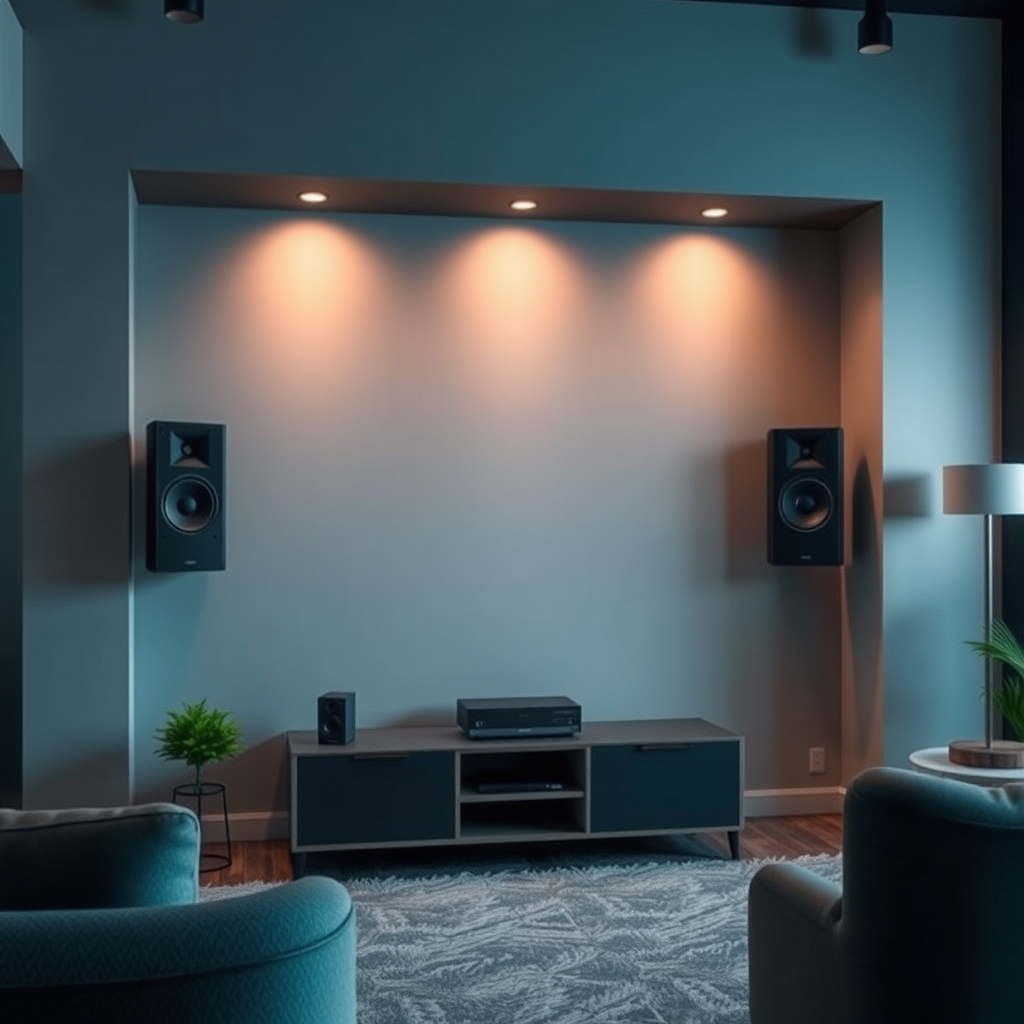
For optimal sound clarity, speaker placement is crucial. Ideally, speakers should be positioned at ear level when seated, which allows the listener to experience the full frequency range without distortion. This typically means that the tweeters, which produce high frequencies, should align with the height of the listener’s ears. If the speakers are too low or too high, it can lead to an imbalanced sound profile.
Moreover, the distance from walls is equally important. Placing speakers too close to a wall can create excessive reflections, resulting in muddied sound clarity. Sound waves bounce off hard surfaces, causing echoes or phase cancellations. To avoid this, it’s advisable to maintain at least a foot of space from walls for optimal sound dispersal.

Assessing Room Acoustics
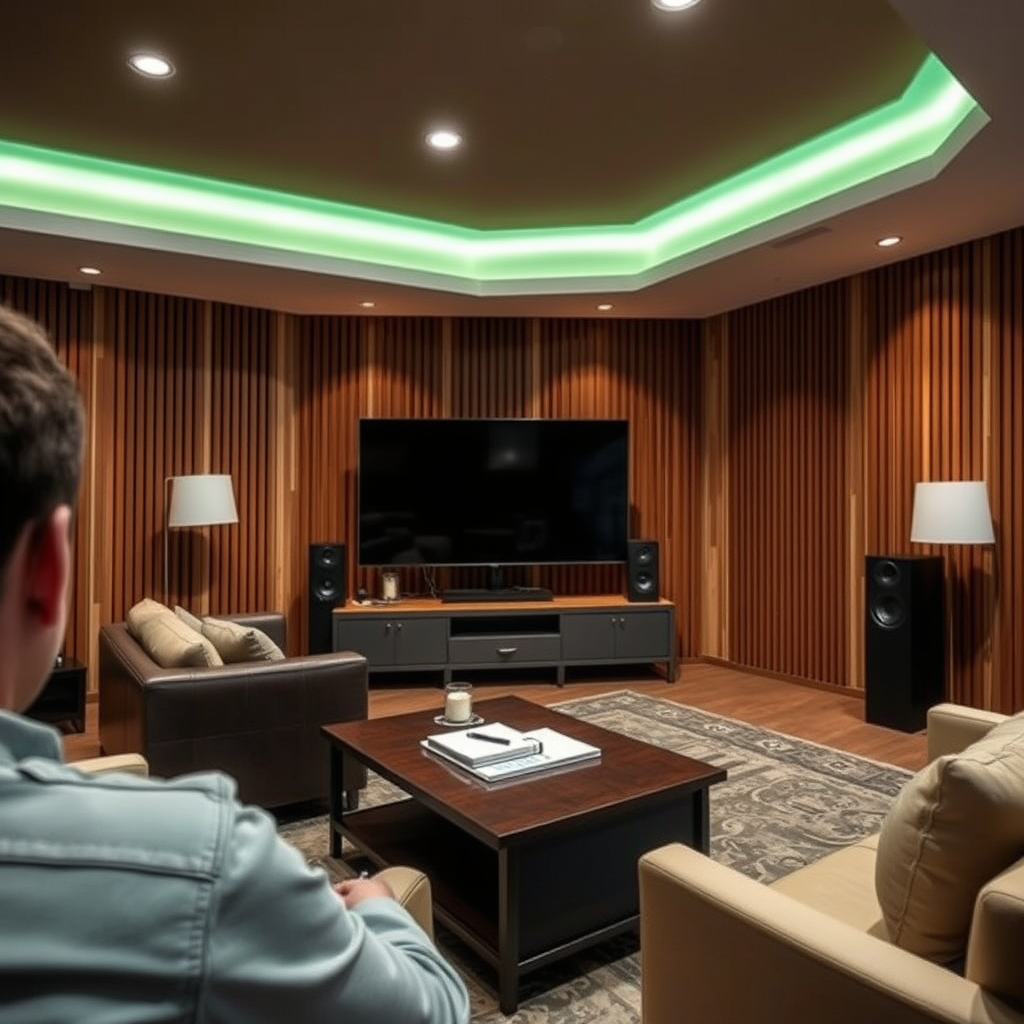
Room acoustics play a significant role in how sound is perceived. An often-overlooked factor is the presence of reflective surfaces. Hard floors, glass windows, and bare walls can distort sound, leading to a less-than-ideal listening experience. It’s beneficial to assess these surfaces and consider how they may be affecting your audio quality.
To mitigate these effects, incorporating soft furnishings such as rugs, curtains, and upholstered furniture can help absorb sound waves. These materials reduce echo and create a more balanced sound environment. Similarly, strategically placing bookshelves or acoustic panels can further enhance your room’s acoustics, providing a clearer and more distinct audio experience.
Optimal Speaker Arrangement
One of the most effective ways to enhance sound clarity is through optimal speaker arrangement. The ideal configuration for most setups is the equilateral triangle arrangement, where the distance between the two speakers is equal to the distance from each speaker to the listening position. This arrangement allows for a balanced soundstage, creating an immersive listening experience.
Additionally, speakers should be angled slightly toward the listening area. This positioning ensures that the direct sound waves reach the listener without interference from reflected sound, enhancing clarity. Properly positioning the subwoofer is also critical; placing it near a wall can amplify bass response, while positioning it too far can lead to a lack of depth.
Common Speaker Placement Problems and Solutions
| # | Placement Issue | Impact on Sound | Recommended Solution |
|---|---|---|---|
| 1 | Too Close to Walls | Unwanted reflections, muddied sound | Move speakers at least 1 foot away from walls |
| 2 | Incorrect Height | Imbalanced frequency response | Adjust speakers to ear level |
| 3 | Corner Placement | Overemphasized bass frequencies | Move speakers away from corners |
| 4 | Too Close Together | Narrow soundstage | Separate speakers to create an equilateral triangle |
| 5 | Facing Away from Listener | Diminished sound quality | Angle speakers toward the listening area |
| 6 | Improper Subwoofer Placement | Unbalanced bass response | Experiment with subwoofer location |
| 7 | Obstructions in Path | Blocked sound waves | Clear obstructions between speakers and listener |
Avoiding Common Mistakes
To achieve optimal sound clarity, it’s essential to avoid common placement mistakes that can negatively affect audio performance. One major mistake is placing speakers in corners, which often leads to a bass-heavy sound that lacks clarity and definition. This phenomenon occurs due to the way sound waves interact in confined spaces.
Another common error is positioning speakers too close to one another or to the listening area. This can create a narrow soundstage, limiting the immersive experience that high-fidelity audio can provide. Instead, ensuring adequate spacing between speakers and proper distance from the listener can enhance the overall sound stage, allowing for a more engaging listening experience.
Fine-Tuning Audio Settings
Once the physical placement of the speakers is optimized, fine-tuning the audio settings can further enhance sound clarity. Using an equalizer can help adjust frequencies based on the specific acoustics of your room and the characteristics of your speakers. For instance, if the room tends to amplify bass frequencies excessively, reducing the low-end on the equalizer can help balance the sound.
Experimenting with speaker distance and angles while actively listening for clarity is also beneficial. Small adjustments can yield significant improvements; for example, slight angling of speakers can alter sound perception dramatically. It is recommended to take notes on the sound changes as adjustments are made to find the best configuration.
Speaker Distance vs. Sound Clarity Improvement
Maintenance and Regular Checks
Sound clarity can be affected by more than just initial placement; it is essential to maintain and regularly check your speaker setup. As furniture or room layouts change, the optimal positioning of speakers may also change. Therefore, periodically reassessing your setup is crucial to maintaining sound quality.
Additionally, keeping speaker connections clean and free from dust is vital for optimal performance. Dust can obstruct connections, leading to diminished sound quality. Regularly checking for any obstructions, such as furniture or decor, that may interfere with the sound path is also recommended. Ensuring that your speakers are consistently in the best possible position will lead to the most enjoyable listening experience.
By carefully considering your speaker placement and following these tips, you can greatly enhance your audio experience. Make adjustments according to room characteristics and don’t hesitate to experiment until you find the best sound clarity. The pursuit of audio excellence is a continuous journey, and optimizing speaker placement is a critical step in that journey.
Frequently Asked Questions
What are the common signs of poor speaker placement affecting sound clarity?
Common signs of poor speaker placement include muffled sound, uneven audio levels, and a lack of stereo imaging. You may also notice that dialogue sounds unclear or distant, and bass may be overpowering or underwhelming. These issues often arise from inadequate positioning or room acoustics, leading to a compromised listening experience.
How can I determine the best speaker placement for optimal sound clarity?
To determine the best speaker placement, start by positioning your speakers at ear level when seated and forming an equilateral triangle with your listening position. Ensure that the speakers are away from walls and corners, as this can enhance clarity and reduce bass boom. Experiment with different placements and angles to find the setup that produces the clearest sound.
Why is room acoustics important when fixing sound clarity issues?
Room acoustics play a crucial role in sound clarity because they affect how sound waves interact with surfaces, leading to reflections, echoes, and absorption. Poor room acoustics can distort audio and create an uneven sound field. By addressing issues like hard surfaces and adding soft furnishings, you can improve sound clarity and enhance your overall listening experience.
What are the best practices for positioning speakers to enhance sound clarity?
Best practices for positioning speakers include placing them at least a few feet away from walls, angling them towards the listening position, and ensuring they are at ear level. Additionally, avoid placing speakers in corners, as this can amplify bass and muddle sound clarity. Utilizing speaker stands can also help achieve the ideal height and positioning for better audio performance.
Which tools can help me analyze and improve my speaker placement for better sound?
Tools like smartphone sound analysis apps and microphone calibration systems can help analyze sound levels and frequency response in your room. Acoustic measurement software can provide insights into how your speaker placement affects sound clarity. Additionally, using a sound level meter can help you identify any discrepancies in audio output, enabling you to make informed adjustments for optimal sound quality.
References
- Sound system
https://en.wikipedia.org/wiki/Sound_system - https://www.arts.gov/publications/how-to-listen-to-music
https://www.arts.gov/publications/how-to-listen-to-music - https://www.sciencedirect.com/topics/engineering/speaker-placement
https://www.sciencedirect.com/topics/engineering/speaker-placement - https://www.britannica.com/science/sound
https://www.britannica.com/science/sound - https://pubmed.ncbi.nlm.nih.gov/26668137/
https://pubmed.ncbi.nlm.nih.gov/26668137/ - https://www.ncbi.nlm.nih.gov/pmc/articles/PMC4181352/
https://www.ncbi.nlm.nih.gov/pmc/articles/PMC4181352/ - Google Scholar Google Scholar
https://scholar.google.com/scholar?q=sound+clarity+speaker+placement - Google Scholar Google Scholar
https://scholar.google.com/scholar?q=improving+sound+quality+speaker+arrangement - Google Scholar Google Scholar
https://scholar.google.com/scholar?q=How+to+Fix+Problems+with+Sound+Clarity+Due+to+Poor+Speaker+Placement - How to Fix Problems with Sound Clarity Due to Poor Speaker Placement – Search results
https://en.wikipedia.org/wiki/Special:Search?search=How+to+Fix+Problems+with+Sound+Clarity+Due+to+Poor+Speaker+Placement
