Keeping your home audio speakers in top shape requires regular maintenance and cleaning to ensure optimal sound quality and longevity. In this guide, you’ll learn effective techniques for maintaining and cleaning your speakers, helping you enjoy the best audio experience possible. Proper care not only preserves the aesthetics of your speakers but also significantly improves their performance, allowing you to enjoy your favorite music and movies as intended.




Understanding Your Speakers
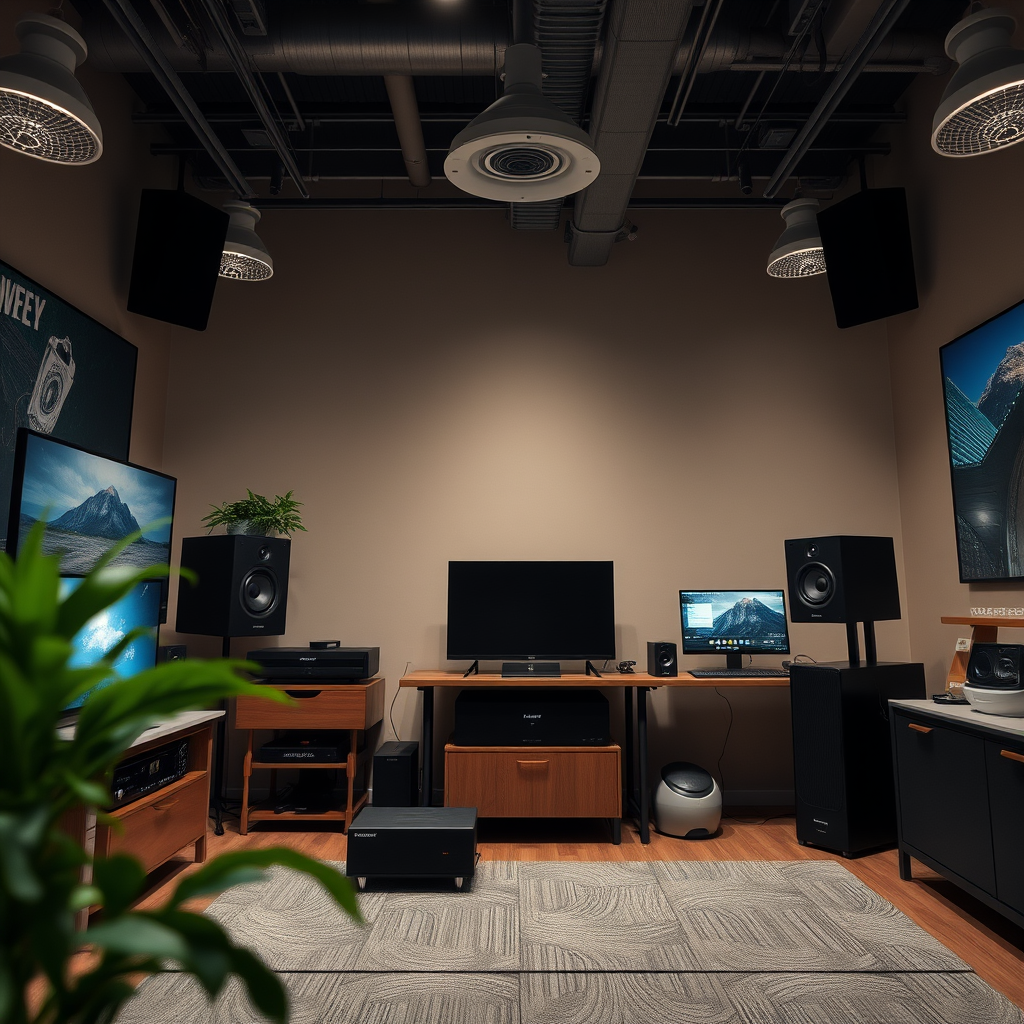
Understanding the type of speakers you have is crucial for their maintenance. Home audio speakers can be broadly categorized into several types: floor-standing, bookshelf, in-wall, and satellite speakers, each with its unique maintenance requirements.
– Floor-standing Speakers: These typically require more attention due to their size and the complexity of their components. They may need periodic checks for stability and may collect dust more readily due to their height.
– Bookshelf Speakers: Smaller and more compact, these speakers are often placed on shelves or stands. They require less space but should still be monitored for dust and connection integrity.
– In-wall Speakers: These are often installed in a fixed position, making them less prone to physical wear but still susceptible to dust and moisture.
– Satellite Speakers: Commonly used in surround sound setups, these speakers may require occasional repositioning and should be cleaned regularly to ensure unobstructed sound.
Consulting the manufacturer’s manual is essential to understand specific care instructions and recommendations tailored to your speaker model. This documentation often provides valuable insights into the materials used and potential vulnerabilities.
General Maintenance Tips
Regular maintenance is critical for the longevity of your speakers. Here are some general tips to keep your audio equipment in prime condition:
– Connection Checks: Regularly check and tighten connections to prevent sound issues caused by loose wiring. This includes speaker cables, connections to the amplifier, and other components in your audio setup.
– Stable Environment: Keep your speakers in a stable environment, avoiding extreme temperatures and humidity. High humidity can damage the internal components and affect sound quality, while extreme temperatures can warp materials.
– Placement: Ensure that your speakers are placed on stable surfaces, away from direct sunlight and heat sources. This will protect them from heat damage and ensure consistent performance.
By following these maintenance tips, you can greatly enhance the performance and lifespan of your audio speakers.
Cleaning Your Speakers Externally
Maintaining the exterior of your speakers is equally important. A clean surface not only looks better but also prevents dust accumulation that can affect sound quality.
– Dusting: Use a soft, lint-free cloth to dust the surfaces gently. This helps remove dust without scratching the finish. For speakers with a high-gloss finish, microfiber cloths are particularly effective.
– Avoid Harsh Chemicals: Never use abrasive cleaners or harsh chemicals, as these can damage the finish or the components. Instead, a mixture of mild soap and water can be used for deeper cleaning, but ensure that the cloth is only slightly damp.
– Regular Cleaning Schedule: Establish a cleaning schedule based on the dust accumulation in your environment. For households with pets or in dusty areas, more frequent cleaning may be necessary.
Top Speaker Brands by Customer Satisfaction (2024)
| # | Brand | Satisfaction Rating | Price Range | Durability |
|---|---|---|---|---|
| 1 | Bowers & Wilkins | ★ ★ ★ ★ ★ | $800 – $5,000 | High |
| 2 | Klipsch | ★ ★ ★ ★ ★ | $200 – $1,500 | High |
| 3 | Sonos | ★ ★ ★ ★ | $150 – $1,000 | Medium |
| 4 | Yamaha | ★ ★ ★ ★ | $300 – $2,000 | High |
| 5 | JBL | ★ ★ ★ ★ | $100 – $1,200 | Medium |
| 6 | Polk Audio | ★ ★ ★ ★ | $150 – $1,500 | High |
| 7 | Bose | ★ ★ ★ ★ | $200 – $1,800 | Medium |
Cleaning Speaker Grills
The speaker grills are often the first point of contact and can accumulate dust and debris over time. Cleaning them helps maintain sound quality and enhances the aesthetic appeal of your audio setup.
– Removing Grill Covers: Carefully remove grill covers following the manufacturer’s instructions. This typically involves gently pulling them away from the speaker frame. Use caution to avoid damaging the clips or the grill itself.
– Vacuuming: Use a vacuum cleaner with a brush attachment to remove dust and dirt from the grills. For more stubborn debris, a soft brush can be used gently to avoid damaging the fabric or mesh.
– Deep Cleaning: If the grills are particularly dirty, you may wash them with mild soap and water. Ensure they are completely dry before reattaching them to the speakers.
Cleaning Speaker Drivers
Cleaning the speaker drivers is critical, as dust accumulation can severely impact sound quality.
– Compressed Air: Use a can of compressed air to blow dust out of the driver cones. Be careful not to touch the cones directly, as oils from your skin can damage them.
– Damp Cloth for Surrounds: Wipe down the surrounds of the drivers with a damp cloth to remove any residue. Avoid applying too much moisture, as this can seep into the components.
– Frequency of Cleaning: Depending on usage and environment, cleaning the drivers should be done every few months or more frequently if you notice a significant buildup of dust.
Speaker Driver Cleaning Frequency
Troubleshooting Common Issues
Even with the best maintenance practices, issues may arise with your speakers. It’s essential to identify these problems early to prevent further damage.
– Distorted Sound: If you notice distorted sound, it could indicate speaker damage or an issue with the amplifier. Check connections first and then inspect the drivers.
– Rattling Noises: Rattling can be a sign of loose components or debris inside the speaker. Inspect the cabinet and drivers for any loose parts or accumulated dirt.
– When to Seek Help: For complex issues like internal damage or electrical problems, it’s advisable to seek professional repair services. Attempting to fix these issues without expertise can lead to further damage.
Protecting Your Speakers
Preventive measures can significantly extend the life of your speakers. Here are some practical tips for protecting your audio equipment:
– Speaker Stands or Mounts: Consider investing in speaker stands or mounts to reduce vibration and improve sound quality. Proper placement can also enhance acoustics.
– Speaker Covers: Use speaker covers to shield them from dust when not in use. Covers can prevent scratches and protect the finish from environmental factors.
– Avoid Direct Sunlight: Position your speakers away from direct sunlight to prevent fading and heat damage to the components.
Maintaining and cleaning your home audio speakers is essential for achieving great sound quality and extending their lifespan. By following these straightforward tips, you’ll ensure that your speakers perform at their best for years to come. Start implementing these practices today for a superior audio experience!
Frequently Asked Questions
What are the best methods to clean my home audio speakers without damaging them?
To clean your home audio speakers, use a soft, dry microfiber cloth to gently wipe the surfaces. For fabric grills, lightly vacuum them with a brush attachment or use a lint roller. Avoid using water or cleaning solutions directly on the speakers, as moisture can cause damage to the internal components.
How often should I maintain and clean my audio speakers?
It’s recommended to clean your audio speakers at least once a month to prevent dust buildup that can affect sound quality. Additionally, conduct a more thorough inspection and maintenance every six months, including checking the wiring and connections, to ensure optimal performance.
Why is it important to maintain and clean my home audio speakers regularly?
Regular maintenance and cleaning of your home audio speakers are crucial for preserving sound quality and extending their lifespan. Dust and debris can accumulate in the speaker cones and grills, leading to distorted sound and potential damage to the components over time.
Which cleaning products should I avoid when cleaning my audio speakers?
Avoid using any cleaning products that contain alcohol, ammonia, or strong solvents, as these can damage the finish and materials of your speakers. Instead, opt for gentle cleaning solutions specifically designed for electronics or simply use a damp cloth with water for minor stains.
What steps should I take to protect my audio speakers from dust and damage?
To protect your audio speakers, place them in a dedicated area away from direct sunlight and high-traffic zones. Use speaker covers when they are not in use, and consider investing in a dust-free storage solution. Regularly dust the surrounding area to minimize the accumulation of particles that can settle on your speakers.
References
- Loudspeaker
https://en.wikipedia.org/wiki/Loudspeaker - https://www.sciencedirect.com/topics/engineering/loudspeakers
https://www.sciencedirect.com/topics/engineering/loudspeakers - Loudspeaker | Definition, Types, & Facts | Britannica
https://www.britannica.com/technology/loudspeaker - https://www.nytimes.com/2021/03/05/technology/home-audio-systems.html
https://www.nytimes.com/2021/03/05/technology/home-audio-systems.html - https://www.theguardian.com/technology/2020/feb/12/how-to-choose-the-best-home-audio-system
https://www.theguardian.com/technology/2020/feb/12/how-to-choose-the-best-home-audio-system - https://www.ncbi.nlm.nih.gov/pmc/articles/PMC6150949/
https://www.ncbi.nlm.nih.gov/pmc/articles/PMC6150949/ - https://www.hq.nasa.gov/office/codeq/doctree/cleaning.pdf
https://www.hq.nasa.gov/office/codeq/doctree/cleaning.pdf - Google Scholar Google Scholar
https://scholar.google.com/scholar?q=maintain+clean+home+audio+speakers - Google Scholar Google Scholar
https://scholar.google.com/scholar?q=home+audio+speaker+care - Google Scholar Google Scholar
https://scholar.google.com/scholar?q=cleaning+audio+speakers+guidelines




One thought on “How to Properly Maintain and Clean Your Home Audio Speakers”