
To effectively reduce echo, using sound absorption panels in your space is a practical solution. These panels can significantly dampen sound reflections that cause echo, making your environment more acoustically pleasing. By understanding how echo works and strategically placing sound absorption panels, you can create a comfortable and inviting atmosphere in any room. In this article, you’ll learn how to select, install, and maximize the benefits of sound absorption panels.



Understanding Echo and Its Causes
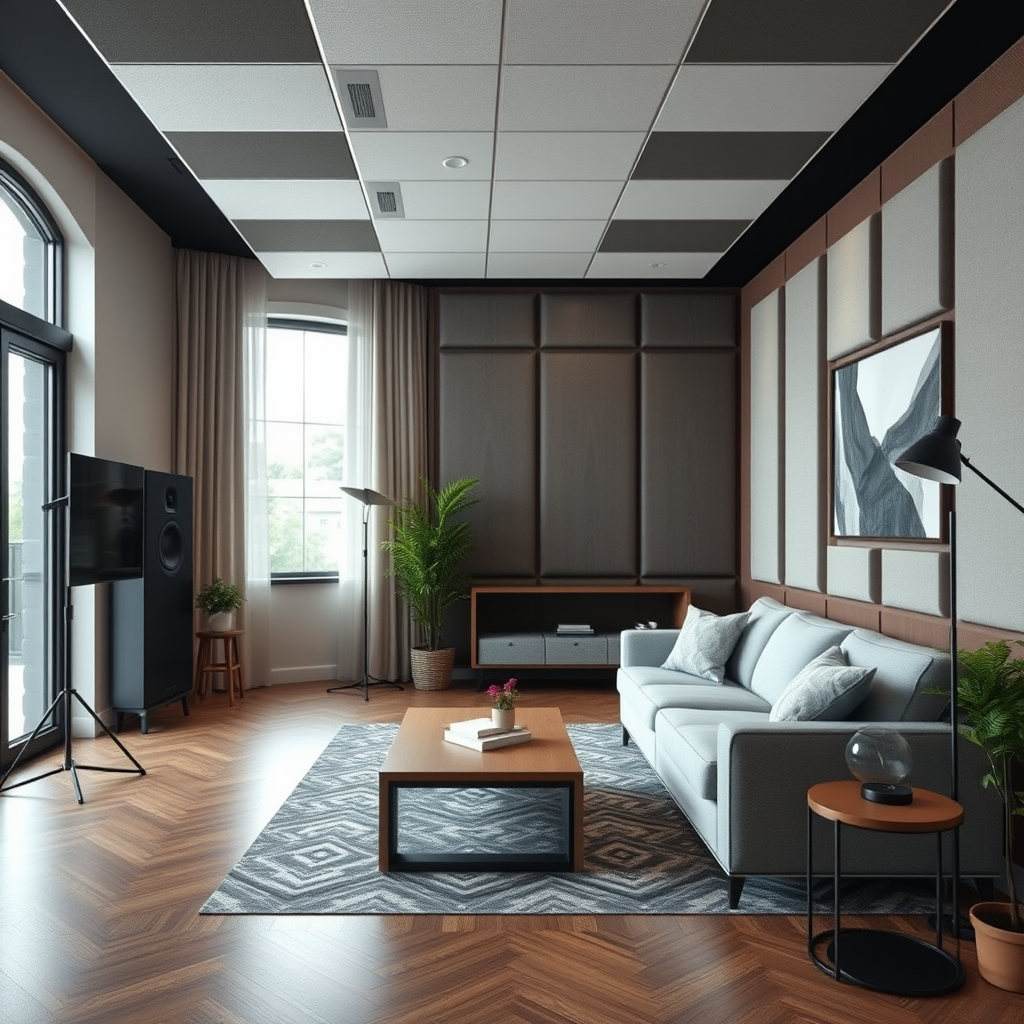
Echo is a phenomenon that arises when sound waves bounce off hard surfaces, creating a delayed return of sound to the listener. This can lead to confusion and discomfort, especially in spaces designed for communication, such as conference rooms, classrooms, or home theaters. Common causes of echo include bare walls, ceilings, and floors, which lack sound-absorbing materials. For example, an empty room with hardwood floors and large windows can produce overwhelming echoes that disrupt conversation and listening experiences. Understanding the sources of echo is the first step toward mitigating its effects.
Choosing the Right Sound Absorption Panels
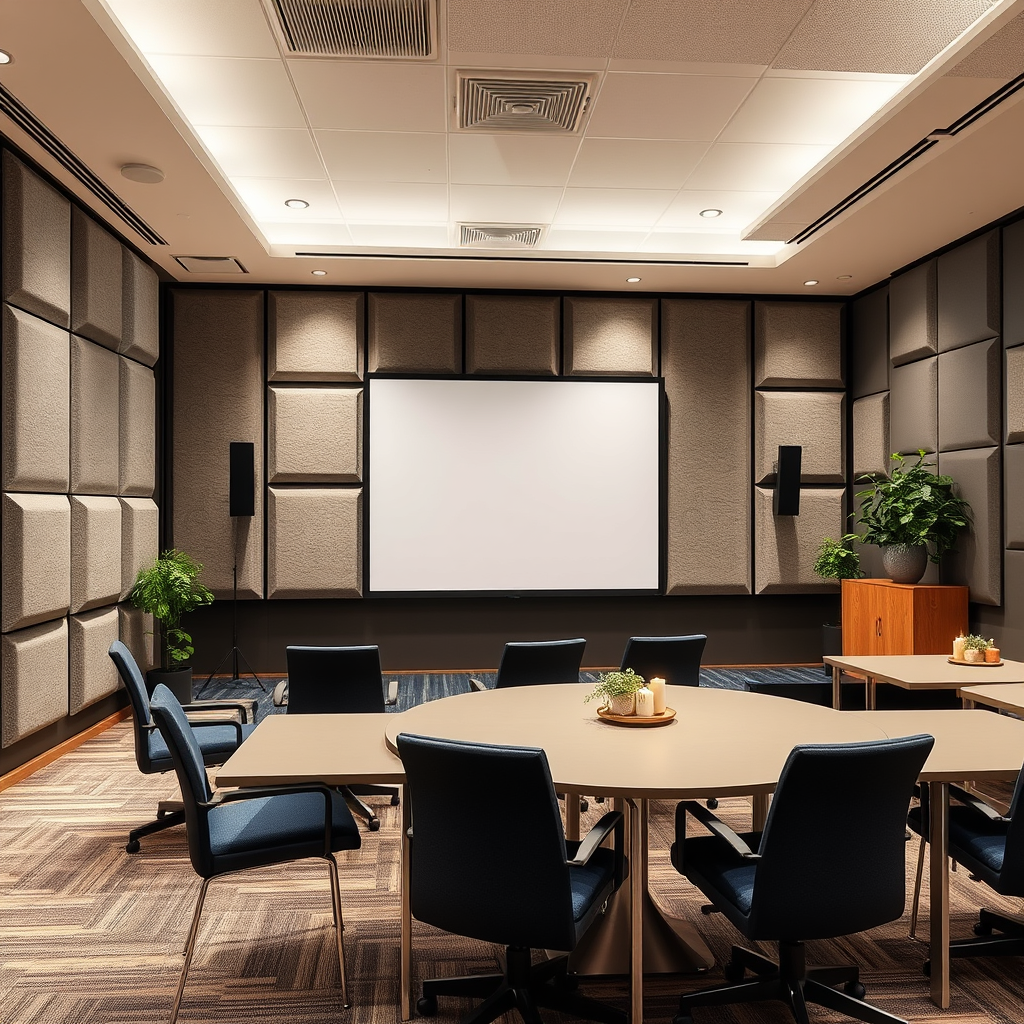
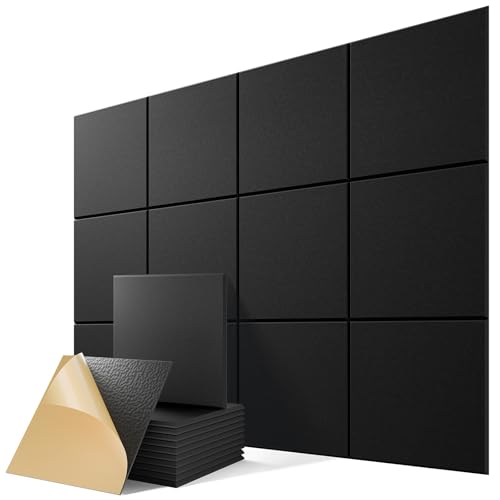
When selecting sound absorption panels, it’s essential to consider the material used in their construction. Foam, fabric, and fiberglass are popular options, each offering distinct advantages. Foam panels are lightweight and easy to install, making them a favorite for home studios. Fabric-wrapped panels not only absorb sound effectively but can also enhance the room’s aesthetic appeal. Fiberglass panels are excellent for high-performance sound absorption, especially in commercial settings.

In addition to material, evaluate the panel thickness and density. Thicker panels generally provide better sound absorption, particularly for lower frequencies. If you’re dealing with a space that has significant echo issues, consider panels that are at least two to three inches thick. This will ensure that the panels can absorb a wider range of sound frequencies, from sharp voices to low bass notes.
Ideal Placement of Sound Absorption Panels
Placement is critical for maximizing the effectiveness of sound absorption panels. Focus on areas where sound waves are likely to bounce, such as corners and directly across from large flat surfaces like walls or windows. Corners often amplify sound reflections, so using corner-mounted panels can significantly reduce echo.
A good strategy is to create a “reflection-free zone” around the primary listening area. Imagine a triangle where the points are the speakers and the main listener—placing panels on the walls adjacent to this triangle can greatly enhance sound quality. Additionally, mixing panel sizes and orientations can help diffuse sound more evenly throughout the room, ensuring that no area is left untreated.
Installation Tips for Optimal Results
Installing sound absorption panels may seem like a daunting task, but it can be straightforward with the right approach. Start by ensuring the panels are securely mounted; you can use adhesive, double-sided tape, or mounting hardware as recommended by the manufacturer.
Follow manufacturer guidelines for spacing and arrangement to achieve the best results. It’s often suggested to leave a few inches of space between panels to enhance airflow and absorption potential. Also, consider using a laser level to ensure that your panels are straight and evenly spaced—this not only looks professional but also optimizes their acoustic performance.
Additional Acoustic Treatments to Consider
While sound absorption panels are effective on their own, incorporating additional acoustic treatments can further enhance your space. Consider adding rugs, curtains, and upholstered furniture, as these materials contribute to sound absorption as well. For instance, a plush area rug can help absorb sound on hard floors, while heavy curtains can dampen sound coming from windows.
If low-frequency echo is a concern, you might also want to consider installing bass traps. These specialized panels are designed to target specific low-frequency sound waves that standard panels might not effectively absorb. Placing bass traps in the corners of your room can significantly improve overall sound quality, especially in spaces used for music production or home theaters.
Maintenance and Care of Sound Absorption Panels
To ensure your sound absorption panels continue to perform effectively, regular maintenance is key. Dust and dirt can accumulate on the surfaces, diminishing their sound-absorbing properties. Make it a habit to check your panels regularly and clean them as per the manufacturer’s recommendations—usually, a gentle vacuum or a damp cloth will do the trick.
Additionally, keep an eye out for any damage, such as tears or dents. Replacing damaged panels promptly is essential to maintaining optimal sound absorption. Not only does this keep your acoustic environment in top shape, but it also helps maintain the aesthetic appeal of your space.
Creating an acoustically friendly environment is a journey, and sound absorption panels are a significant step in that direction.
By understanding echo and its causes, choosing the right panels, placing them strategically, and maintaining them properly, you can dramatically improve the sound quality of any room. So, take a moment to assess your space’s echo issues and explore the various sound absorption panel options available. Your ears (and your guests) will thank you for it!
Frequently Asked Questions
What are sound absorption panels and how do they work to reduce echo?
Sound absorption panels are specially designed materials that help reduce echo and reverberation in a space by absorbing sound waves. They are typically made from porous materials like foam, fabric, or fiberglass, which trap the sound energy, preventing it from bouncing off hard surfaces. By strategically placing these panels on walls or ceilings, you can significantly enhance the acoustics of a room, making it quieter and more comfortable for activities like speaking, music, or recording.
How do I choose the right sound absorption panels for my space?
When selecting sound absorption panels, consider the size of the room, the type of activities you’ll be doing, and the aesthetic you desire. Look for panels with a high Noise Reduction Coefficient (NRC) rating, as this indicates their effectiveness at absorbing sound. Additionally, evaluate the panel thickness, material, and installation method to ensure they fit your specific needs and budget while providing optimal noise control.
Why is echo reduction important in certain environments?
Echo reduction is crucial in environments such as recording studios, conference rooms, and classrooms where clear communication is essential. Excessive echo can lead to misunderstandings, distractions, and even fatigue during long meetings or lectures. By using sound absorption panels, you can create a more acoustically balanced space, allowing for better sound clarity, improved focus, and an overall enhanced experience for occupants.
What is the best way to install sound absorption panels for maximum effectiveness?
To install sound absorption panels effectively, first, identify the areas where sound reflections are most pronounced, typically opposite hard surfaces like windows or concrete walls. Mount the panels at ear level for optimal sound absorption, and consider placing them in a staggered pattern to cover more surface area. Depending on the type of panel, you can use adhesive, brackets, or mounting hardware to secure them to the walls or ceiling, ensuring they remain stable and effective.
Which areas of my room should I focus on when placing sound absorption panels?
Focus on placing sound absorption panels on walls directly opposite sound sources, such as speakers or televisions, as well as on the ceiling if the room has high ceilings. Additionally, target corners where sound waves tend to accumulate; corner bass traps can be particularly effective in these areas. By addressing these key locations, you can maximize the impact of your sound absorption panels and significantly reduce echo throughout the room.
