
Understanding emotional intelligence (EQ) is vital in professional audio mixing, as it not only enhances communication but also deepens artistic collaboration, leading to a more impactful sound experience. Audio engineers who master EQ can connect with artists on a more profound level, ensuring that the music resonates emotionally with listeners. This article will explore how developing emotional intelligence can elevate your mixing skills and create a more resonant auditory experience for everyone involved.



Understanding Emotional Intelligence (EQ) in Audio Mixing
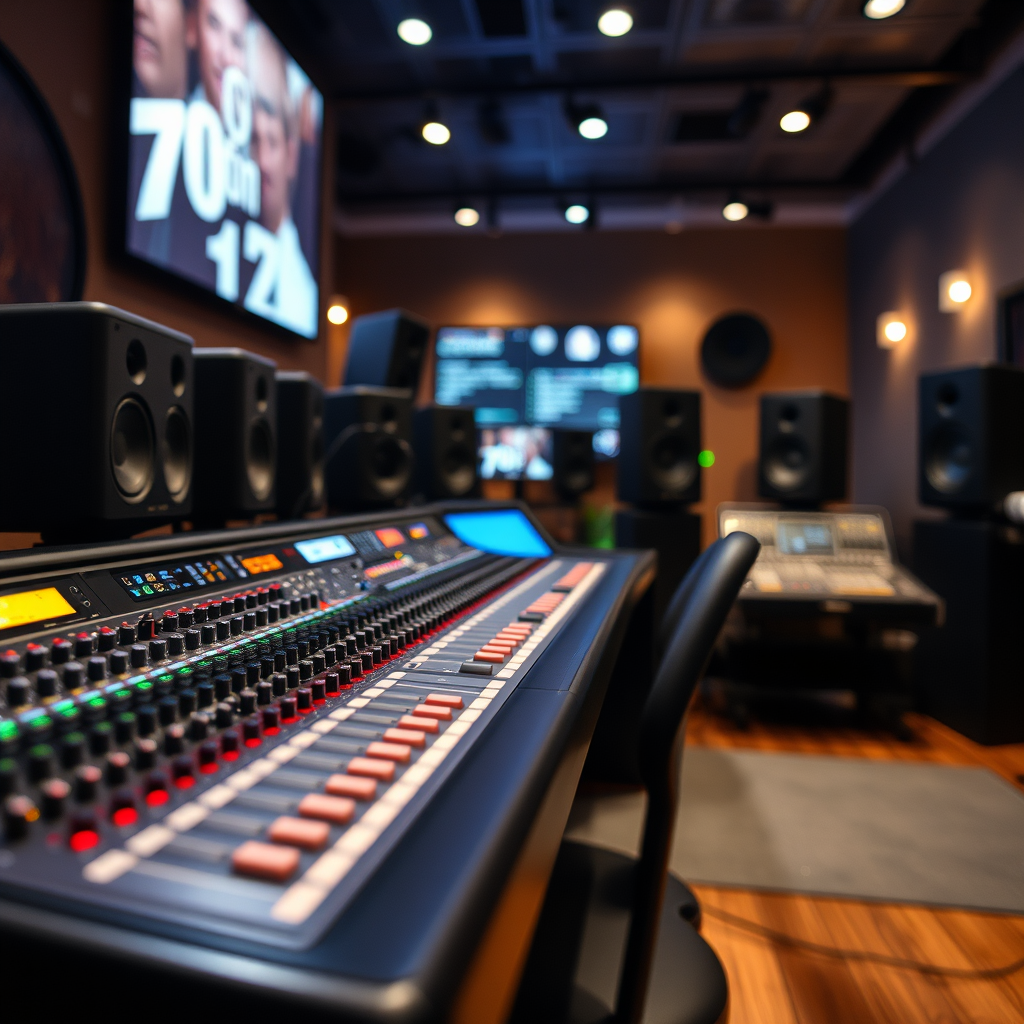
Emotional intelligence, often referred to as EQ, is the ability to recognize, understand, and manage our own emotions while also being aware of the emotions of others. In the realm of audio mixing, this skill is especially relevant, as mixing is not just a technical task; it’s an artistic endeavor that requires a deep understanding of the emotional landscape that music seeks to convey. A sound engineer equipped with high EQ can better interpret the intentions behind a track, aligning their mixing decisions with the artist’s vision. This understanding fosters a collaborative environment where creativity thrives.
Empathy, a core component of emotional intelligence, plays a significant role in grasping an artist’s vision and intentions. For instance, when an artist expresses a desire for a particular sound that evokes nostalgia, an emotionally intelligent audio engineer can connect with that sentiment, translating it into the mix. This synergy between artist and engineer can lead to a richer, more fulfilling final product that truly reflects the artist’s message.

Enhancing Communication with Artists and Clients
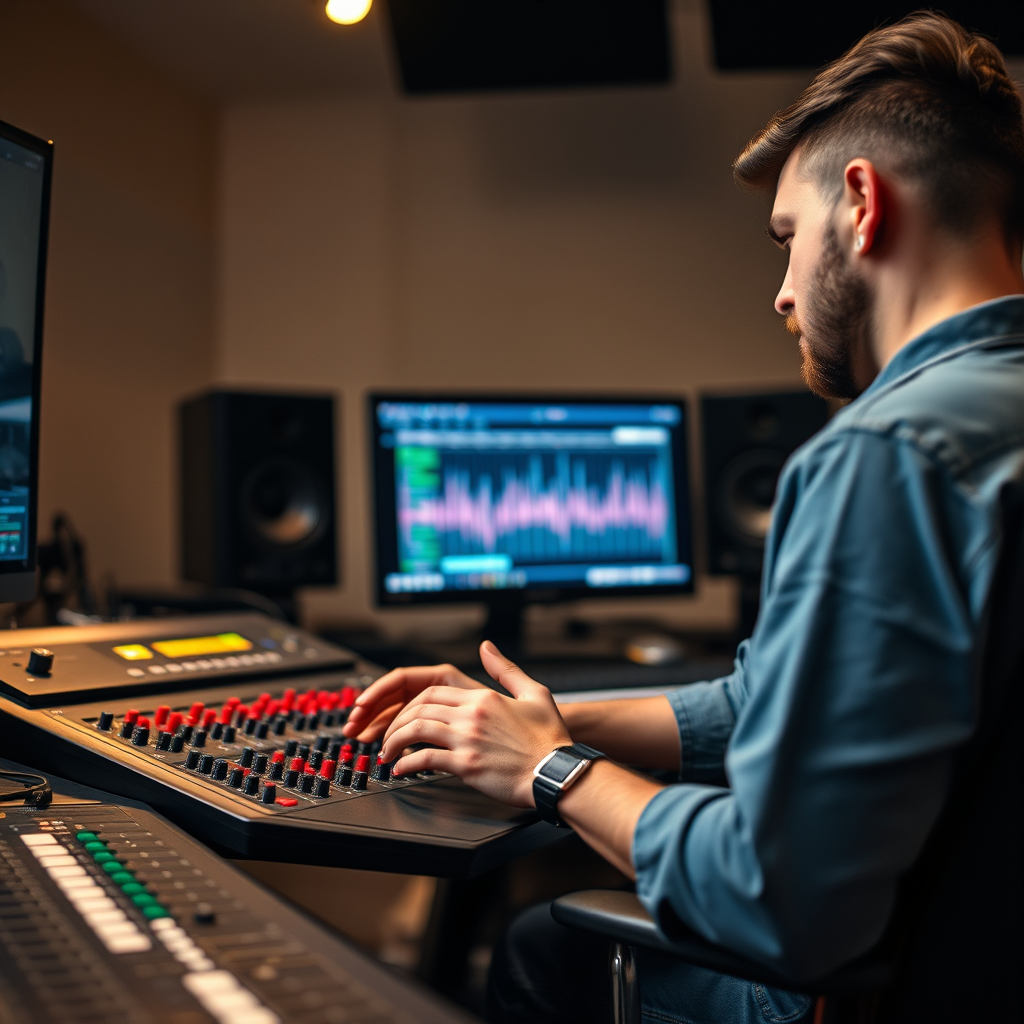
Effective communication is crucial in any professional setting, and in audio mixing, it can make all the difference. When sound engineers possess strong emotional intelligence, they naturally foster better dialogue with artists and clients. This improved communication can lead to a clearer understanding of project goals, preferences, and expectations.
One technique that can significantly enhance communication is active listening. This involves not just hearing the words being spoken but truly understanding the emotions behind them. An audio engineer might practice active listening by summarizing what an artist has shared and asking clarifying questions, ensuring that they capture the artist’s intent accurately. Additionally, maintaining open feedback channels allows for a collaborative atmosphere where both parties feel comfortable sharing their thoughts and ideas. This creates a cycle of constructive feedback that can refine the project to perfection.
Collaborating Effectively in a Team Environment
Collaboration is at the heart of professional audio mixing, especially when working within a team. Building strong relationships among team members is essential for creating an environment conducive to creativity and innovation. A high EQ can help audio engineers navigate interpersonal dynamics, ensuring that everyone feels valued and understood.
Conflict is an inevitable part of teamwork, but emotional intelligence can provide effective conflict resolution strategies. For example, if two team members disagree on a mixing technique, an emotionally aware engineer can mediate the conversation by acknowledging both perspectives and guiding the discussion towards a compromise. Such skills not only resolve conflicts but also strengthen team bonds, as members feel heard and respected in the process.
Creating a Resonant Sound Experience
The emotional impact of sound is profound, and an audio engineer’s EQ can significantly influence how listeners respond to music. By understanding the emotional cues embedded within a track, engineers can make mixing choices that enhance the listener’s experience. For instance, knowing when to emphasize a vocal’s vulnerability or highlight a driving rhythm can lead to a far more compelling and resonant sound.
Striking a balance between technical skill and emotional connection is crucial in mixing. While technical proficiency in using software and equipment is essential, the magic often happens when engineers tap into the emotional essence of the music. A great mix not only sounds good but also evokes a powerful emotional response, drawing listeners deeper into the experience. This is where an engineer’s emotional intelligence truly shines, allowing them to create mixes that resonate on a personal level with the audience.
Developing Your Own EQ Skills
Improving your emotional intelligence is a journey, and there are plenty of practical exercises you can undertake to enhance these skills in a professional setting. One effective method is to practice self-reflection. Take time to assess your own emotional responses during mixing sessions and how they may affect your work. Journaling can be a helpful tool to explore these feelings and identify patterns.
Additionally, engaging in role-playing scenarios can help you practice empathy and active listening. Gather a few colleagues and simulate various client interactions, focusing on understanding their emotional needs and responding appropriately. This exercise can boost your confidence and prepare you for real-life situations.
For those looking to dive deeper, consider exploring resources such as Daniel Goleman’s book “Emotional Intelligence” or attending workshops that focus on EQ development. Online courses that teach emotional intelligence in the workplace can also be beneficial, providing structured learning and actionable insights.
The Impact of EQ on Client Satisfaction and Success
The benefits of high emotional intelligence in professional audio mixing extend beyond just effective collaboration; they can significantly impact client satisfaction and overall project success. Many audio professionals have shared testimonials highlighting how their high EQ led to stronger relationships with artists and clients, resulting in repeat business and referrals.
For example, an audio engineer might recall a successful project where their ability to empathize with an artist led to a breakthrough in sound design, ultimately creating a track that topped charts. These experiences demonstrate that fostering emotional intelligence not only enhances the quality of the work but also builds lasting professional relationships that are foundational in the music industry.
In conclusion, the critical role of emotional intelligence in professional audio mixing cannot be overstated. It profoundly impacts collaboration, communication, and the quality of sound produced. By developing your EQ skills, you can elevate your mixing practices and create more meaningful auditory experiences that resonate with both artists and listeners alike. Start your journey today by exploring resources that enhance your emotional intelligence and improve your professional relationships, ensuring that your mixes not only sound great but also connect deeply with audiences.
Frequently Asked Questions
What is EQ and why is it important in professional audio mixing?
EQ, or equalization, is a process used in audio mixing to adjust the balance of specific frequency ranges within a sound. It is crucial in professional audio mixing because it helps to enhance clarity, remove unwanted frequencies, and create a polished final mix. By using EQ effectively, audio engineers can ensure that each element of a mix occupies its own space, leading to a more cohesive and professional-sounding track.
How can I improve my EQ skills for better audio mixing results?
To improve your EQ skills, start by familiarizing yourself with the frequency spectrum and the characteristics of different instruments. Practice using EQ on various audio tracks, focusing on cutting unwanted frequencies instead of boosting desirable ones. Additionally, listening critically to professionally mixed tracks can provide insights into effective EQ techniques, which you can then apply to your own mixing projects.
Why is emotional intelligence (EQ) important for audio engineers during the mixing process?
Emotional intelligence (EQ) is essential for audio engineers as it enhances communication, collaboration, and creativity. An engineer with high EQ can better interpret the artistic vision of clients and artists, leading to more successful outcomes. Furthermore, being emotionally attuned helps engineers manage stress and navigate the often high-pressure environment of audio production, resulting in a more productive mixing session.
Which EQ techniques are most effective for mixing vocals?
Effective EQ techniques for mixing vocals include applying a high-pass filter to remove low-end muddiness, gently boosting the presence frequencies around 3kHz to 5kHz to enhance clarity, and cutting harshness around 2kHz to 3kHz if necessary. Additionally, using a de-esser can help control sibilance without compromising the vocal’s natural tone. These techniques help ensure that vocals sit well in the mix and remain clear and engaging.
What common mistakes should I avoid when using EQ in audio mixing?
Common mistakes to avoid when using EQ include excessive boosting of frequencies, which can lead to a harsh or unnatural sound, and failing to listen in context, as adjustments may sound different when isolated. Another mistake is neglecting to use EQ on individual tracks; each element should be treated uniquely to create space in the mix. Finally, forgetting to reference your mix with and without EQ can prevent you from achieving the best results.
References
- Emotional intelligence
- Emotional Intelligence | Psychology Today
- https://www.sciencedirect.com/science/article/pii/S1877042811018313
- https://www.forbes.com/sites/forbeshumanresourcescouncil/2021/11/10/the-role-of-emotional-intelligence-in-the-workplace/?sh=6d7d7b5d3f41
- https://www.ted.com/talks/daniel_goleman_the_power_of_emotional_intelligence
- https://www.ncbi.nlm.nih.gov/pmc/articles/PMC5578435/
- https://www.hbr.org/2019/03/emotional-intelligence-is-the-key-to-great-leadership
- MindTools | Home
