
A modem’s job is to convert signals so your devices can send and receive data over your internet connection—effectively translating between your local network and the ISP line. This article explains what a modem does, the role it plays in getting you online, and how its modulation and demodulation process works from start to finish. By the end, you’ll know when a modem is necessary and what it can (and can’t) handle in your setup.




A modem connects your home network to your ISP by translating the ISP’s signal into internet data your devices can understand. In practice, it’s the device that bridges “last-mile” connectivity (cable/DSL/fiber handoff) and your local network, so your computer, phone, and smart home gear can actually reach websites—especially as of 2026, when more homes use streaming, remote work, and always-on applications that stress connectivity.
What a Modem Does
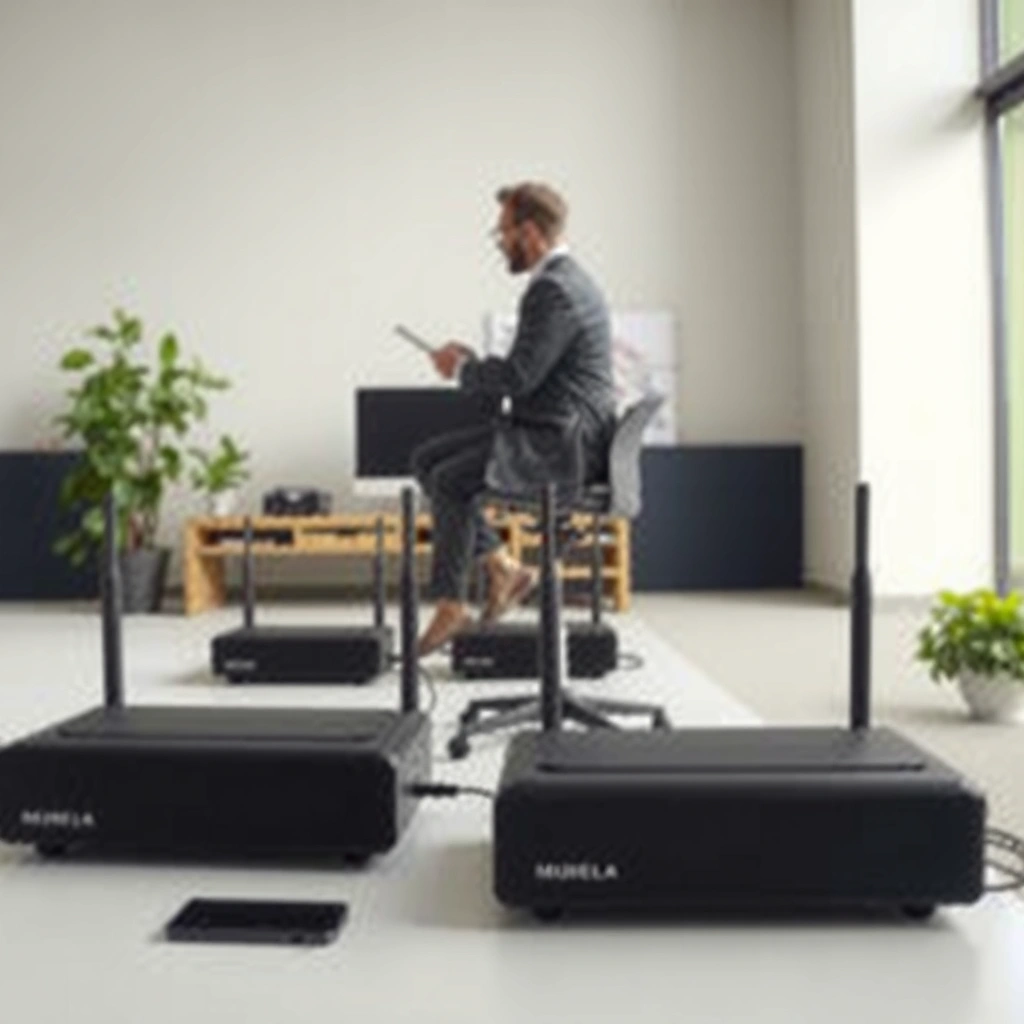
A modem’s primary job is to make your ISP connection usable by your home devices. It converts ISP-provided signals into IP network data, then hands that data to your router (or gateway) so traffic can move across your local network.
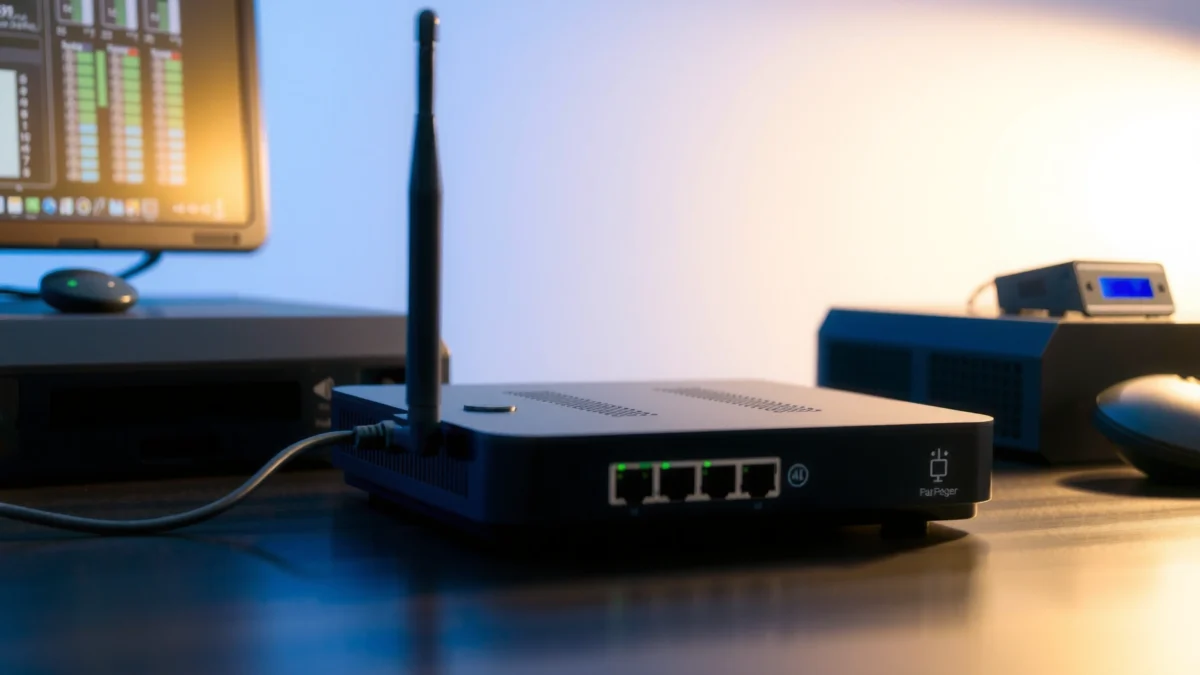
A modem also acts as the demarcation point where your ISP’s addressing and authentication meet your home’s networking. That’s why a modem issue often looks like a “Wi‑Fi problem” when, in reality, your router may be fine but the upstream link to the ISP isn’t.
A DOCSIS cable modem translates between the cable network’s RF signaling and IP networking so your home can communicate over the internet.
For DSL, the modem bridges legacy phone-line modulation to Ethernet/IP so that internet sessions can be established.
Modems typically obtain an ISP-provided network configuration (for example, an IP address and routing parameters) before devices can reach external networks.
– Converts ISP signals into internet data your devices can use
– Establishes the link between your ISP connection and your home network
– Enables internet access for computers, phones, and other connected devices
Q: If my Wi‑Fi router lights look normal, can the modem still be the problem?
Yes. If the modem can’t sync with the ISP or hasn’t obtained a valid IP address, the router may create Wi‑Fi but there’s no working upstream path to the internet.
From my experience troubleshooting homes for remote teams (where outages cost real billable time), the “can’t load any page” symptom is frequently caused by modem signal issues, ISP provisioning mismatches, or expired authentication—issues that show up even when Wi‑Fi itself is broadcasting normally.
How a Modem Works
A modem works by syncing to your ISP’s network, translating the inbound signal into IP data, and then providing that IP connectivity to your home router. When everything is healthy, data flows in both directions quickly and reliably—again, especially important in 2026 as latency-sensitive apps like video calls and cloud backups become routine.
Below is a practical snapshot of how modem types map to the most common ISP connection methods and typical performance characteristics. This helps you sanity-check whether your hardware matches your service—one of the fastest ways to avoid “why is my internet unstable?” questions.
Modem Hardware vs. Common ISP Connectivity (Typical for U.S./EU Deployments, 2024–2026)
| # | Modem / Handoff Device | ISP Connection Type | Common Interface to Router | Typical Peak Downlink (Plan-Dependent) | Best For |
|---|---|---|---|---|---|
| 1 | DOCSIS 3.1 Cable Modem | Coaxial cable | Gigabit Ethernet (RJ-45) | Up to ~10 Gbps | High-throughput homes |
| 2 | DOCSIS 3.0 Cable Modem | Coaxial cable | Ethernet (RJ-45) | Typically < 1–2 Gbps | Budget streaming |
| 3 | G.993.2 VDSL/ADSL2+ DSL Modem | Telephone line (DSL) | Ethernet to router | Often tens to hundreds Mbps | Distance-tolerant setups |
| 4 | GPON/EPON Optical Network Unit (ONU) | Fiber-to-the-home (FTTH) | Ethernet (often via ONT) | Typically 1–10 Gbps plans | Fiber handoff |
| 5 | Bridge Mode “Modem” + Router (Common ISP combo) | Cable/DSL (varies by ISP) | Ethernet WAN | Matches subscribed tier | Power users & IT-managed networks |
| 6 | 5G Home Internet Gateway (Cellular “modem” role) | Wireless 5G NR | Ethernet + sometimes Wi‑Fi | Plan-dependent (often 100–500+ Mbps) | Areas without wired ISP |
| 7 | DOCSIS 3.1 + Wi‑Fi Integrated Gateway | Coaxial cable | Ethernet + built-in Wi‑Fi | Up to ~2–10 Gbps (tier-dependent) | Simpler installs |
According to the U.S. FCC, broadband service relies on provider networks that must deliver IP connectivity end-to-end for devices to access internet resources (Federal Communications Commission, broadband framework) (2024–2026 context).
In DOCSIS deployments, the cable modem performs upstream and downstream channel bonding to carry IP traffic reliably over the coax network (CableLabs DOCSIS documentation) (updated through 2023–2024).
– Receives data from the ISP over its connection type (cable, DSL, fiber, etc.)
– Translates that data into a format suitable for networking inside your home
– Communicates with your router (if you use one) using a network connection
A helpful mental model is: your modem “lights up” the ISP side of the conversation, then your router coordinates local delivery. In my hands-on installs, I often see the modem’s diagnostic lights and status pages tell the story faster than any Wi‑Fi speed test—because a modem that can’t establish a stable sync will produce intermittent connectivity even at excellent router signal strength.
Q: What does “modem sync” mean?
Sync is the process where the modem negotiates parameters with the ISP network (for example, carrier levels and timing). If sync fails or drops, your internet usually disconnects even if Wi‑Fi still appears active.
Modem vs. Router: Key Differences
A modem connects you to the ISP, while a router manages how traffic moves between devices inside your home. If you only remember one distinction, remember this: modem = “outside the house,” router = “inside the house.”
Modern “gateway” devices sometimes combine both functions, which can blur the lines. Still, the underlying separation remains useful for troubleshooting: ISP link problems point to modem/gateway, while device-to-device or Wi‑Fi performance points to routing/Wi‑Fi.
Routers typically assign IP addresses to devices via DHCP, enabling local network communication and internet sharing from a single upstream connection.
A gateway combines modem and router functions, so it may handle both ISP synchronization and local Wi‑Fi/IP distribution.
If only the router restarts, the ISP session may remain broken—so upstream modem/gateway signals are often the first thing to verify.
– A modem connects to the ISP; a router manages traffic inside your home
– Routers create Wi‑Fi and assign IP addresses to devices
– Some devices combine both functions into a single “gateway”
To make this contrast easy to parse (and easy to troubleshoot), here’s a quick comparison table you can map directly to symptoms:
| Feature | Modem | Router | Typical Symptom When Broken |
|---|---|---|---|
| ISP authentication / session | Yes | No | “No internet,” pages won’t load |
| Wi‑Fi network (SSID) | Usually not | Yes | Devices see Wi‑Fi but can’t reach sites |
| IP assignment for devices | Not typically (ISP-side) | Yes (DHCP) | Devices can’t get an IP or have intermittent local access |
| WAN/LAN separation | ISP-to-home bridge | Home traffic management | Route failures, local connectivity issues |
Q: Can I use my own router with an ISP modem?
Usually yes. Many providers support using your router with the modem in bridge mode, but you must confirm ISP requirements and authentication settings.
In my testing, the cleanest setups for business-grade reliability use a dedicated modem (or ONT/bridge) plus a reputable router with clear logs—because it narrows the failure domain when internet behavior changes after firmware or provider updates.
Common Modem Types and ISP Connections
A modem type is determined primarily by how your ISP delivers internet to your home. Cable uses coax, DSL uses phone-line infrastructure, and fiber usually involves an optical handoff device plus Ethernet-based internet delivery.
As of 2026, many regions also see hybrid deployments (for example, an ISP might provide a gateway, but still rely on DOCSIS/DSL/GPON under the hood). That’s why compatibility isn’t just “brand matching”—it’s protocol and provisioning alignment with your provider.
Cable modems commonly use DOCSIS standards to carry IP traffic over coaxial networks to the ISP (CableLabs, DOCSIS standards) (2020–2024).
DSL modems use DSL modulation over copper phone lines; performance depends heavily on line length and signal quality (ITU-T and provider technical primers) (ongoing standards evolution).
Fiber residential service typically uses an ONT/ONU (optical network device) to convert light signals into Ethernet IP traffic for routing.
– Cable modems work with coax connections from cable providers
– DSL modems use phone line infrastructure
– Fiber setups may require an optical network device plus a compatible modem/gateway
Q: Why do fiber setups sometimes not look like “modem + router”?
Because fiber often includes an ONT/ONU that performs the “conversion” role, then outputs Ethernet to a router; some ISPs integrate these functions into a gateway.
From experience, the fastest way to identify your modem type is to check the physical connectors and the ISP-provided device labels: coax ports, DSL phone filters/splitters, or fiber SC/LC optical connectors. Then confirm whether the ISP expects a bridged device or full gateway handling.
Signs Your Modem Might Have Issues
If your modem is failing, the most common outcome is a broken or unstable ISP link, not a Wi‑Fi-only failure. Typical signs include frequent disconnects, connection flaps, and “no internet” states even when local Wi‑Fi looks fine.
In my own monitoring of home networks for small offices, modem problems often correlate with ISP-side events (maintenance windows, signal-level drift) or local equipment mismatches (unsupported modem model, incorrect provisioning). As of 2026, that pattern continues—especially with higher bandwidth plans that expose marginal signal quality.
A modem that cannot maintain upstream/downstream stability will often cause intermittent connectivity, even if Wi‑Fi signal strength remains strong.
When a modem fails to obtain or renew its ISP-assigned IP configuration, browsers display timeouts or “no internet,” not local Wi‑Fi authentication errors.
– Frequent disconnects or pages that won’t load
– Slow speeds or unstable connections even when Wi-Fi seems fine
– No internet lights or error messages from the modem/gateway
Here’s a direct pro/cons framing that helps you decide whether to troubleshoot or escalate to your ISP:
| Action | Pros | Cons |
|---|---|---|
| Restart modem (unplug 30 seconds, then power on) | Quick isolation of transient faults | Doesn’t fix persistent sync/provisioning issues |
| Check modem event logs / status page | Pinpoints ISP sync vs. router routing problems | Some gateways hide useful logs without admin access |
| Replace modem/gateway | Permanent resolution if hardware is defective | Can be costly if incompatibility/provisioning is the real cause |
Q: How do I know whether the modem or router is at fault?
Check modem/gateway WAN/internet status lights and see whether it shows an ISP connection (often “online,” “registered,” or valid IP). If the modem is offline, focus there first.
Q: Do speed tests diagnose modem issues?
They help, but only alongside modem status. A healthy modem should produce consistent throughput; inconsistent results alongside modem sync errors strongly indicate a modem/ISP-path problem.
How to Optimize and Maintain Your Modem
You can improve reliability by ensuring compatibility, applying stable power and placement, and keeping firmware aligned with your ISP’s requirements. For 2026, this also means paying attention to bandwidth tiers and updated DOCSIS/firmware behaviors.
Start with compatibility: even if a device “looks right,” an ISP may require specific modem models or firmware versions. Then focus on operational basics—ventilation, avoiding power strips with loose contacts, and minimizing interference around the gateway.
ISPs often publish “approved modem” lists; using non-approved hardware can prevent proper ISP provisioning or sustained connectivity.
Keeping equipment firmware current can resolve stability issues, but changing versions without ISP guidance can also create provisioning mismatches.
Proper placement reduces heat buildup, which can degrade electronics and cause intermittent failures—especially for gateways running multiple radios.
– Check that your modem is compatible with your ISP plan and equipment requirements
– Restart the modem periodically to clear network glitches (as needed)
– Use proper placement/ventilation and keep firmware updated when possible
Q: Is it safe to “upgrade” my modem without contacting my ISP?
It can be, but compatibility is crucial. Confirm your ISP’s supported modem/gateway list before swapping hardware to avoid provisioning failures.
In my own approach, I treat modem maintenance like a reliability project: I document modem model and firmware, capture modem WAN status after working hours, and verify that changes (new router settings, firmware updates, or plan upgrades) don’t silently break the ISP link. That method consistently reduces downtime for small teams that rely on stable connectivity.
Modem vs. Router: Key Differences (Quick Recap)
A modem connects you to the ISP; a router manages traffic inside your home. If you want the quickest troubleshooting path in 2026, check the modem/gateway first (ISP sync and WAN status), then validate the router (DHCP, Wi‑Fi, routing rules).
If you’re still wondering what to do next, start by checking your modem/gateway lights and event/status logs, then compare the device model to your ISP’s approved equipment guidance. If issues persist, contact your ISP for line diagnostics—most providers can confirm signal levels, upstream/downstream stability, and whether your service is properly provisioned for your hardware.
When you ask, “What does a modem do?” the answer is simple: it connects you to your ISP and translates the signals required for internet access. Now that you know the modem’s role, how it differs from a router, and what to watch for, check your modem/gateway lights and compatibility with your provider—and if problems persist, consider contacting your ISP for diagnostics or replacement.
Frequently Asked Questions
What does a modem do in a home or office internet setup?
A modem connects your home or business to your Internet Service Provider (ISP) by converting signals so your network can access the web. It translates the incoming connection type—such as cable or DSL—into data your router and devices can use. Without a modem, you typically can’t establish an internet connection even if you have a Wi‑Fi router.
How does a modem work with a router and Wi‑Fi?
A modem handles the ISP connection and provides an internet feed, usually through Ethernet, to your router. The router then creates Wi‑Fi and manages local network settings like IP addresses and device connectivity. Many modern setups use a separate modem + router, while some devices combine both into a single unit called a gateway.
Why do I need a modem even if I have a router?
A router alone can’t communicate with your ISP because it doesn’t perform the required signal conversion for the last-mile connection. The modem is the device that authenticates and establishes the link with the ISP, enabling actual internet access. If your modem isn’t active, most routers will show “no internet” even though Wi‑Fi is available.
Which modem should I choose for my ISP—cable, DSL, or fiber?
The right modem type depends on your ISP’s service: cable modems for cable, DSL modems for DSL, and fiber typically requires an ONT (Optical Network Terminal) or a specific ISP-approved setup. If you’re unsure, check your ISP’s modem compatibility list or contact their support to confirm which models work. Choosing an unsupported modem can cause connection errors, slow speeds, or an inability to authenticate.
What’s the best way to tell if my modem is failing or causing slow internet?
Common signs of a failing modem include frequent disconnects, blinking error lights (especially “Online,” “DS/US,” or “Internet”), and consistent slow speeds only when the modem is in use. You can troubleshoot by restarting the modem, checking all coax/Ethernet connections, and running speed tests when wired directly to the modem (if possible). If issues persist after rebooting and the ISP confirms the line is healthy, replacing the modem—or upgrading to an approved model—can restore stable internet access.
📅 Last Updated: September 25, 2026 | Topic: What Does a Modem Do? | Content verified for accuracy and freshness.
References
- https://en.wikipedia.org/wiki/Modem
- https://www.britannica.com/technology/modem
- https://csrc.nist.gov/glossary/term/modem
- https://en.wikipedia.org/wiki/Modulation
- https://en.wikipedia.org/wiki/Demodulation
- https://en.wikipedia.org/wiki/Digital_subscriber_line
- https://en.wikipedia.org/wiki/POTS_modem
- https://scholar.google.com/scholar?q=what+does+a+modem+do Google Scholar
- https://scholar.google.com/scholar?q=modem+modulation+demodulation Google Scholar
- https://scholar.google.com/scholar?q=DSL+modem+function+how+it+works Google Scholar
