
If your wireless audio system keeps losing signal, the first step is to identify and eliminate potential interference sources and ensure your devices are properly configured. A stable wireless audio connection is essential for seamless listening experiences, whether for professional audio setups, events, or home entertainment systems. In this article, we will guide you through troubleshooting methods, setup improvements, and maintenance tips to stabilize your wireless audio connection effectively.
Understand the Causes of Signal Loss
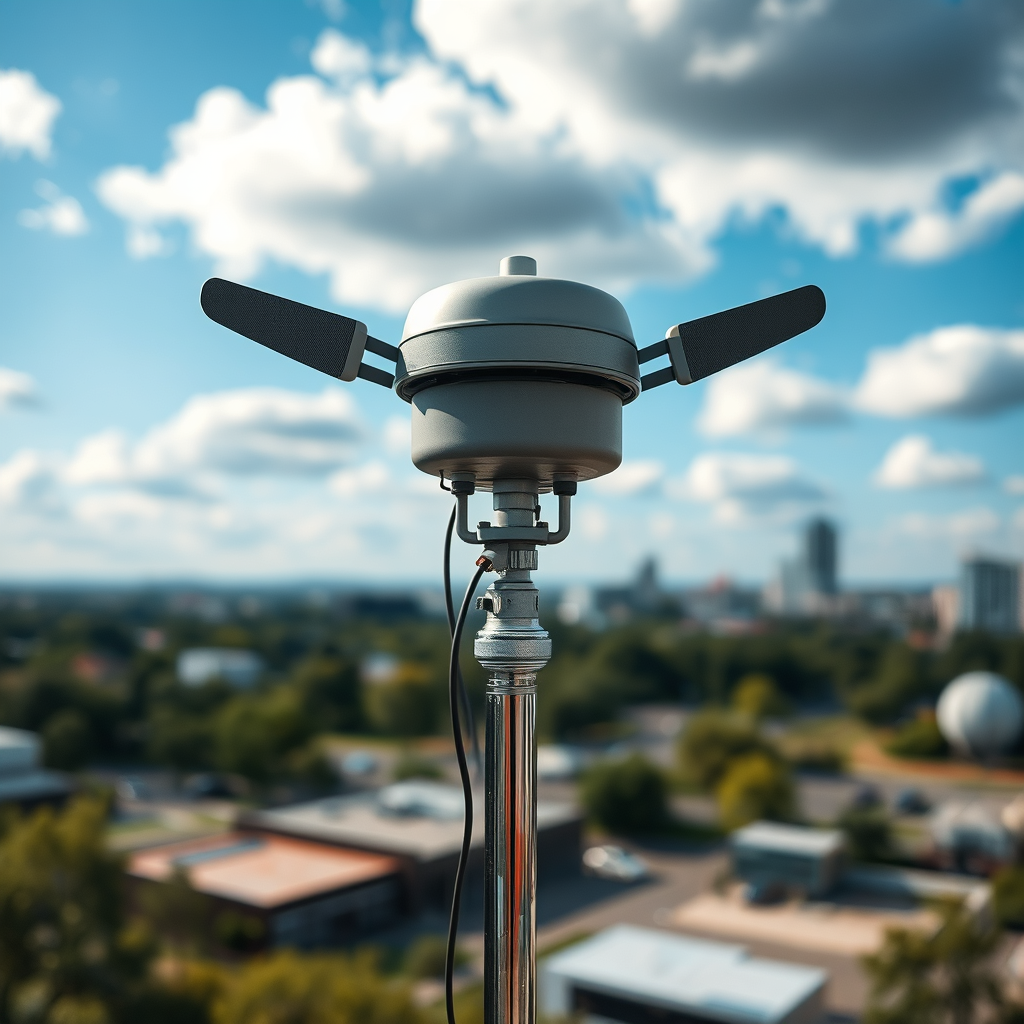
Signal loss in wireless audio systems can be attributed to various factors, primarily interference from other electronic devices and physical barriers. Common interference sources include Wi-Fi networks, microwave ovens, Bluetooth devices, and even cordless phones. These devices often operate on similar frequencies as your audio equipment, leading to disruptions in signal transmission.
Moreover, physical barriers also play a significant role in degrading signal strength. Walls, furniture, and even human bodies can obstruct the line of sight between the transmitter and receiver, leading to intermittent audio dropouts. Understanding these causes is pivotal in addressing the root of the problem effectively.
Check Your Audio System Setup
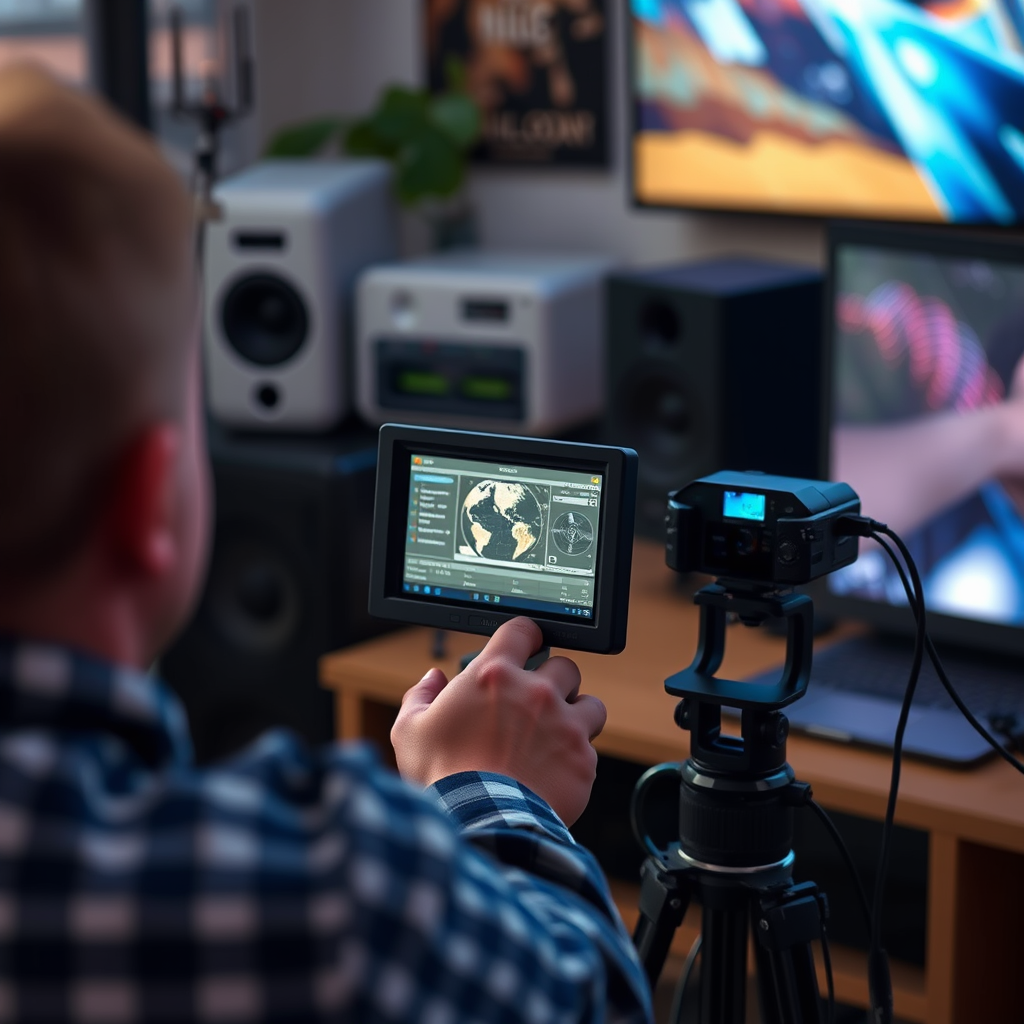
To minimize signal loss, ensure that your audio system’s transmitters and receivers are placed optimally. Ideally, they should have a clear line of sight, as this significantly enhances the stability of the connection. If possible, position the transmitter at a higher elevation to reduce the likelihood of interference from obstacles.
Additionally, verify that your audio system is configured to the correct frequency and channel. Many wireless audio systems allow users to switch between different frequencies to avoid overlap with competing signals. Check the user manual for instructions on how to access these settings and make necessary adjustments.
Update Firmware and Drivers
Keeping your audio equipment up-to-date is crucial for maintaining optimal performance. Manufacturers regularly release firmware updates to fix bugs and improve features. Make it a habit to check the manufacturer’s website for the latest firmware for your audio devices, and ensure that you follow their instructions for installation.
In addition to audio equipment updates, it’s equally important to keep the drivers for your computer or mobile device current. Outdated drivers can lead to connectivity issues, so check the manufacturer’s site for updates or use automatic tools to manage driver updates for you.
Top 7 Factors Contributing to Wireless Audio Signal Loss
| # | Factor | Impact Level | Frequency Range |
|---|---|---|---|
| 1 | Wi-Fi Interference | High | 2.4GHz |
| 2 | Microwave Ovens | Medium | 2.4GHz |
| 3 | Cordless Phones | Medium | 1.9GHz |
| 4 | Bluetooth Devices | Medium | 2.4GHz |
| 5 | Physical Barriers | High | N/A |
| 6 | Distance from Transmitter | High | N/A |
| 7 | Low Battery | Medium | N/A |
Optimize Your Wireless Network
A congested Wi-Fi network can significantly hinder the performance of your wireless audio system. One effective method to alleviate this issue is by changing your Wi-Fi channel. Most routers operate on overlapping channels in the 2.4GHz band, which can cause interference. Access your router settings and switch to a less congested channel to improve audio performance.
Additionally, consider extending your Wi-Fi range to enhance connectivity for your audio devices. This can be achieved by using Wi-Fi extenders, mesh systems, or even relocating your router to a more centralized location within your premises. A stronger Wi-Fi signal translates to a more stable audio connection, reducing the chances of dropouts.
Effective Wi-Fi Channels for Audio Systems
Perform Regular Maintenance
Regular maintenance of your wireless audio system and network devices is vital for ensuring consistent performance. Begin by routinely cleaning and inspecting all cables and connectors. Dust and debris can accumulate over time, leading to connectivity issues. Use a soft cloth to clean connectors and ensure that all connections are secure.
Rebooting your audio system and network devices periodically can also refresh connections and clear potential glitches that may affect performance. A simple restart can resolve many issues that contribute to signal loss.
Explore Alternative Solutions
If you find that signal loss is a persistent issue despite your best efforts, it may be time to explore alternative solutions. Consider using wired connections, which, while less flexible, offer a more stable and reliable audio experience. For environments where wireless connectivity is essential, evaluate different wireless audio systems designed specifically to minimize signal loss, such as systems using advanced technologies like the 5GHz band or proprietary wireless protocols.
You may also want to consider upgrading to higher-quality audio equipment that provides better range and signal reliability. Research reputable brands known for their robust wireless audio solutions and read reviews to make informed decisions.
Seek Professional Assistance
If all troubleshooting methods fail to resolve your signal loss issues, it may be beneficial to seek professional assistance. Consult the manufacturer’s support team for specific guidance related to your equipment. Additionally, enlisting the help of a professional audio technician can provide you with expert insights and tailored solutions based on your unique setup.
Lastly, consider joining online forums and communities dedicated to audio enthusiasts. Engaging with other users facing similar challenges can yield valuable tips and shared experiences that may help you troubleshoot more effectively.
By applying the methods outlined above, you can effectively address the problems of signal loss in your wireless audio system. Evaluating each point carefully and taking action to improve your audio experience is essential. Don’t hesitate to reach out for support if needed, as a stable audio connection is critical for enjoying high-quality sound in any setting.
Frequently Asked Questions
What are the common causes of a wireless audio system losing signal?
Common causes of a wireless audio system losing signal include interference from other electronic devices, physical obstructions like walls or furniture, and low battery levels in transmitters or receivers. Additionally, using outdated or low-quality equipment can also contribute to signal loss, making it important to ensure all components are up-to-date and compatible.
How can I improve the signal strength of my wireless audio system?
To improve the signal strength of your wireless audio system, you can try repositioning the transmitter and receiver to minimize obstructions, ensuring they have a clear line of sight. Additionally, changing the frequency channel on your device can help avoid interference and using high-quality cables and antennas can further enhance signal reliability.
Why does my wireless audio system lose signal during specific times of the day?
Your wireless audio system may lose signal during specific times of the day due to increased interference from other devices, such as Wi-Fi networks or microwaves, which can be more active at those times. Additionally, environmental factors like weather changes or increased usage of nearby devices can also impact signal strength.
What is the best way to troubleshoot a wireless audio system that keeps dropping signal?
The best way to troubleshoot a wireless audio system that keeps dropping signal is to first check the power levels of your devices and replace any low batteries. Next, try moving devices closer together to eliminate distance-related issues, and scan for sources of interference in your environment, such as other wireless networks or electronics.
Which wireless audio systems are known for better signal stability?
Wireless audio systems known for better signal stability typically include brands like Sennheiser, Shure, and Audio-Technica, which are recognized for their advanced technology and robust build quality. When selecting a system, look for features such as frequency diversity and automatic frequency selection to enhance signal reliability and reduce dropouts.
References
- Wireless
https://en.wikipedia.org/wiki/Wireless_audio - https://www.sciencedirect.com/topics/engineering/wireless-audio
https://www.sciencedirect.com/topics/engineering/wireless-audio - https://www.ncbi.nlm.nih.gov/pmc/articles/PMC6754087/
https://www.ncbi.nlm.nih.gov/pmc/articles/PMC6754087/ - https://www.researchgate.net/publication/327471081_Wireless_Audio_Systems_Design_and_Implementation
https://www.researchgate.net/publication/327471081_Wireless_Audio_Systems_Design_and_Implementation - https://www.bbc.com/future/article/20220627-why-your-wireless-signal-is-slow
https://www.bbc.com/future/article/20220627-why-your-wireless-signal-is-slow - Google Scholar Google Scholar
https://scholar.google.com/scholar?q=Wireless+Audio+System+Signal+Issues - Google Scholar Google Scholar
https://scholar.google.com/scholar?q=Wireless+Audio+Interference+Solutions - https://www.nature.com/articles/s41598-018-21302-2
https://www.nature.com/articles/s41598-018-21302-2 - https://www.mayoclinic.org/healthy-lifestyle/consumer-health/in-depth/wireless-technology/art-20419669
https://www.mayoclinic.org/healthy-lifestyle/consumer-health/in-depth/wireless-technology/art-20419669 - https://www.cdc.gov/nceh/lead/faq/wireless_audio_systems.html
https://www.cdc.gov/nceh/lead/faq/wireless_audio_systems.html