Medical display monitors for surgery have evolved significantly over the years, enhancing the precision and efficiency of surgical procedures. These advancements not only improve visualization for surgeons but also contribute to better patient outcomes. From early, rudimentary displays to today’s high-definition, feature-rich monitors, this article will explore the technological advancements, key features, and future trends of these critical tools in the operating room, providing insights into their impact on surgical outcomes and healthcare practices.



The Historical Development of Medical Display Monitors

In the early days of medical technology, surgical displays were limited to basic analog screens that provided a rudimentary view of the surgical field. These monitors often lacked the clarity and detail necessary for complex procedures, making it difficult for surgeons to make informed decisions. As surgical techniques advanced, so did the need for better visualization tools, leading to a significant transition from analog to digital displays in the late 20th century.
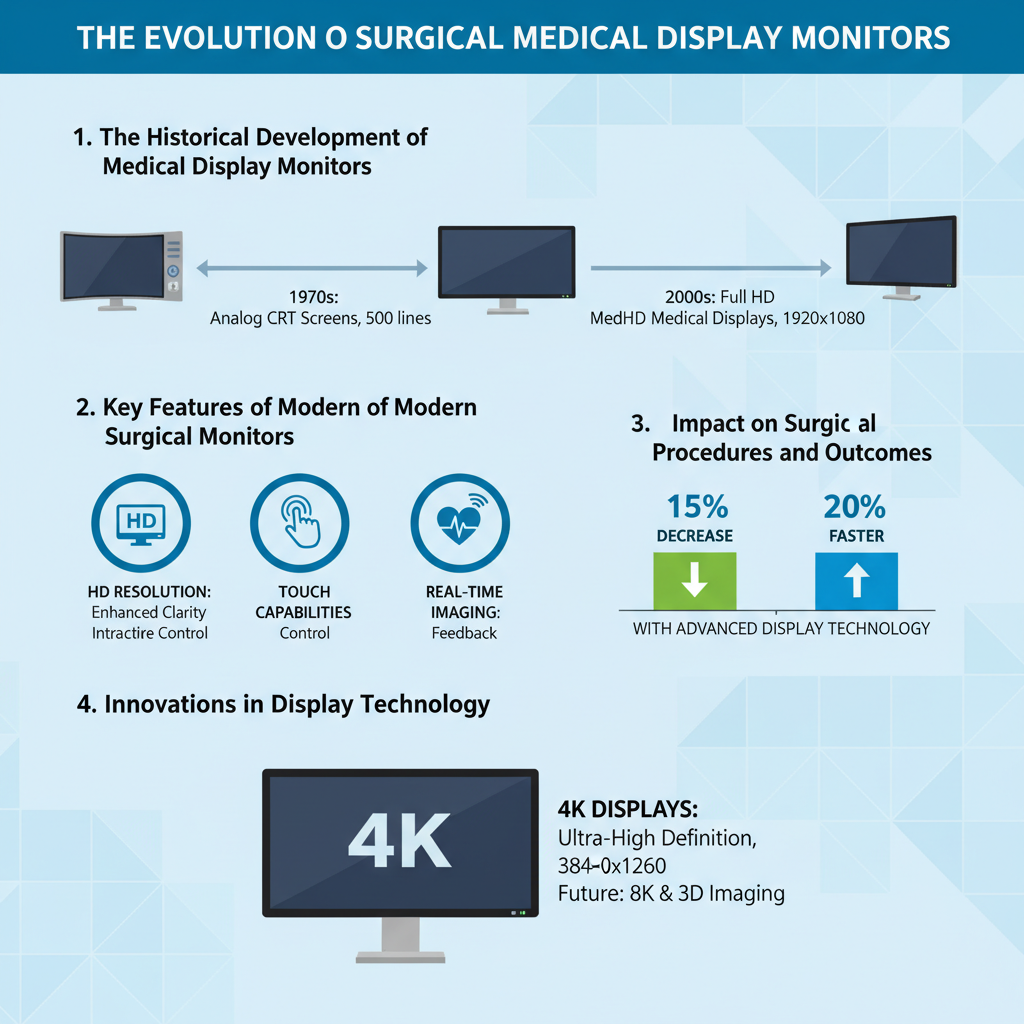
With the introduction of digital technology, medical display monitors began to feature high-definition screens that allowed for sharper images and more accurate color representation. This shift not only enhanced the clarity of images but also enabled healthcare professionals to make more precise assessments during operations. The evolution of display technology has been pivotal in improving surgical practices, marking a significant milestone in the history of medical instrumentation.
Key Features of Modern Surgical Monitors

Modern surgical monitors boast several key features that are essential for today’s operating rooms. One of the most critical aspects is color accuracy and resolution. In surgical settings, even the slightest variation in color can be crucial for identifying tissues and blood vessels. High-resolution displays, often reaching 4K or even 8K quality, provide surgeons with the clarity needed to make decisions in real-time, thus enhancing the overall surgical experience.
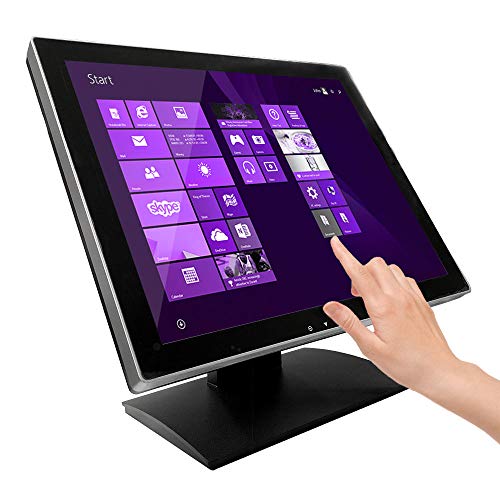
Another exciting development is the integration of touch-screen capabilities into these monitors. This feature allows surgeons to interact with the display seamlessly, zooming in on areas of interest or switching between imaging modalities without the need for additional equipment. This not only improves usability but also streamlines the surgical process, allowing for a more focused and efficient approach to patient care.
Impact on Surgical Procedures and Outcomes
The impact of enhanced imaging technologies on surgical procedures cannot be overstated. Improved visualization contributes to better surgical precision, which directly correlates with increased patient safety. For instance, studies have shown that utilizing high-definition displays during laparoscopic surgeries can reduce the risk of complications and improve recovery times. Surgeons can identify critical structures more clearly, minimizing the chance of inadvertent damage to surrounding tissues.
Case studies highlight this transformation vividly. In one notable instance, a hospital that upgraded its surgical monitors reported a 30% decrease in surgical errors after implementing high-definition displays. Surgeons attributed this improvement to clearer visuals that allowed them to navigate complex anatomy with greater confidence. Such outcomes underscore the vital role that advanced display technology plays in enhancing the quality of surgical care.
Innovations in Display Technology
As technology continues to advance, innovations in display technology are setting new standards in surgical environments. The introduction of 4K and 8K displays provides surgeons with unprecedented detail and depth perception, allowing them to visualize intricate anatomical structures with remarkable clarity. These high-resolution displays are particularly beneficial in delicate procedures where precision is paramount.
Moreover, emerging technologies such as augmented reality (AR) are beginning to find applications in surgery. AR can overlay crucial information onto the surgeon’s view, such as anatomical landmarks or real-time patient data, facilitating a more informed and dynamic surgical approach. This cutting-edge technology holds the promise of transforming how surgeries are performed, making them not only more effective but also safer for patients.
Future Trends in Medical Display Monitors
Looking ahead, the future of surgical display monitors is bright, with several exciting trends on the horizon. One of the most significant predictions is the integration of artificial intelligence (AI) into display systems. AI can analyze surgical visuals in real-time, providing surgeons with insights and alerts that enhance decision-making processes. For instance, AI could help identify anomalies in tissue that may require immediate attention, thereby improving patient outcomes.
Additionally, the importance of portability and wireless technology cannot be overlooked. As surgical environments become more dynamic, the need for flexible, wireless display systems that can be easily transported and set up will become increasingly critical. These advancements will allow for greater adaptability in various surgical scenarios, ensuring that healthcare providers can focus on what matters most—delivering exceptional patient care.
Challenges and Considerations
Despite the clear benefits of upgrading to advanced display systems, there are challenges and considerations that healthcare facilities must address. One primary concern is the cost associated with acquiring new technology. While the long-term benefits often outweigh the initial investment, budget constraints can pose a significant barrier for many institutions.
Moreover, ensuring compatibility with existing surgical equipment and systems is crucial. New display monitors must integrate seamlessly with current surgical tools and technologies to avoid disruptions in workflow. This requires careful planning and consultation with manufacturers to ensure that upgrades enhance, rather than complicate, surgical practices.
The advancements in medical display monitors for surgery have transformed how procedures are performed, dramatically enhancing visualization and surgical precision. As technology continues to evolve, healthcare professionals must stay informed about these changes and consider how to implement the latest innovations in their practices. Embracing these advancements can lead to improved patient outcomes and more efficient surgical processes. The journey of surgical display technology is just beginning, and the future promises even more exciting developments that will further enhance the art and science of surgery.
Frequently Asked Questions
What are the key advancements in medical display monitors for surgery over the years?
Medical display monitors have evolved significantly, with key advancements including higher resolution displays, improved color accuracy, and enhanced brightness. Modern monitors often feature 4K resolution, which allows for clearer visualization of intricate details during surgery. Additionally, technologies like OLED and LED backlighting have improved contrast ratios, making it easier for surgeons to differentiate between tissues and identify potential issues.
How do surgical display monitors improve patient outcomes during operations?
Surgical display monitors enhance patient outcomes by providing surgeons with high-quality images that aid in precise decision-making. The clarity and detail provided by advanced monitors allow for better visualization of anatomical structures, which minimizes the risk of complications. Furthermore, real-time imaging capabilities enable quick assessments and adjustments during procedures, ultimately leading to safer and more effective surgeries.
Why is color accuracy important in medical display monitors for surgical use?
Color accuracy in medical display monitors is crucial because it ensures that surgical teams can correctly identify and differentiate between various tissues and anatomical features. Accurate color representation helps in recognizing blood vessels, tumors, and healthy tissues, which is vital for successful surgical interventions. Poor color accuracy could lead to misinterpretations and increase the risk of surgical errors, making high-quality displays essential for effective surgical procedures.
What features should I look for when selecting a medical display monitor for surgery?
When selecting a medical display monitor for surgery, consider features such as resolution (preferably 4K), brightness levels (at least 1000 nits), color accuracy (ideally covering 99% of the Adobe RGB color space), and viewing angles. Additionally, look for monitors with anti-reflective coatings to reduce glare and improve visibility in operating rooms. Connectivity options, such as HDMI and DVI, along with compliance to medical standards like DICOM, are also important for ensuring compatibility and performance in surgical settings.
Which brands are known for producing the best medical display monitors for surgical applications?
Several brands are recognized for their high-quality medical display monitors suited for surgical applications, including Eizo, Barco, and NEC. Eizo is known for its exceptional color accuracy and ergonomic designs, while Barco offers advanced imaging technology tailored for surgical environments. NEC combines high-performance displays with reliable customer support, making them a preferred choice in many operating rooms. When selecting a brand, it’s essential to assess the specific needs of your surgical practice and consider factors such as warranty and service agreements.
References
- https://en.wikipedia.org/wiki/Medical_imaging
- https://www.ncbi.nlm.nih.gov/pmc/articles/PMC6120645/
- https://www.sciencedirect.com/science/article/pii/S1361841515000324
- https://www.healthit.gov/topic/scientific-initiatives/health-it-initiatives/electronic-health-records
- https://www.journalofhospitalmedicine.com/jhospmed/article/1368
- Defense Science and Technology: Opportunities to Better Integrate Industry Independent Research a…
- https://www.fda.gov/media/130438/download
- Innate immune system – Autoimmunity – NCBI Bookshelf