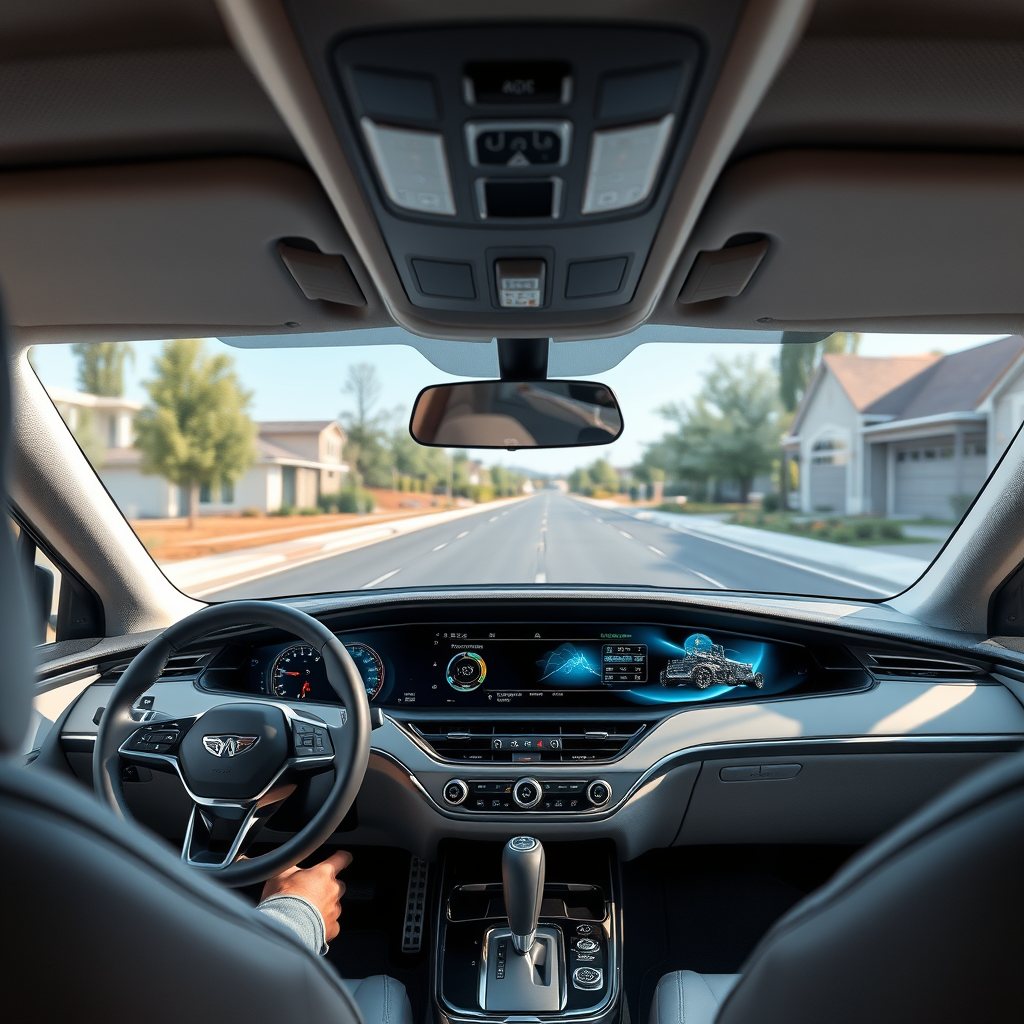

Transparent displays are transforming automotive dashboards by providing drivers with crucial information in a visually appealing and accessible manner. These innovative screens not only enhance the overall aesthetic of the vehicle’s interior but also significantly improve driver safety by allowing important data to be overlaid on the windshield or presented in a non-distracting format. In this article, we will delve into the technology behind transparent displays, their applications in modern vehicles, the benefits they offer to drivers, the challenges they face, future trends, and case studies of leading automakers implementing this exciting technology.
The Technology Behind Transparent Displays
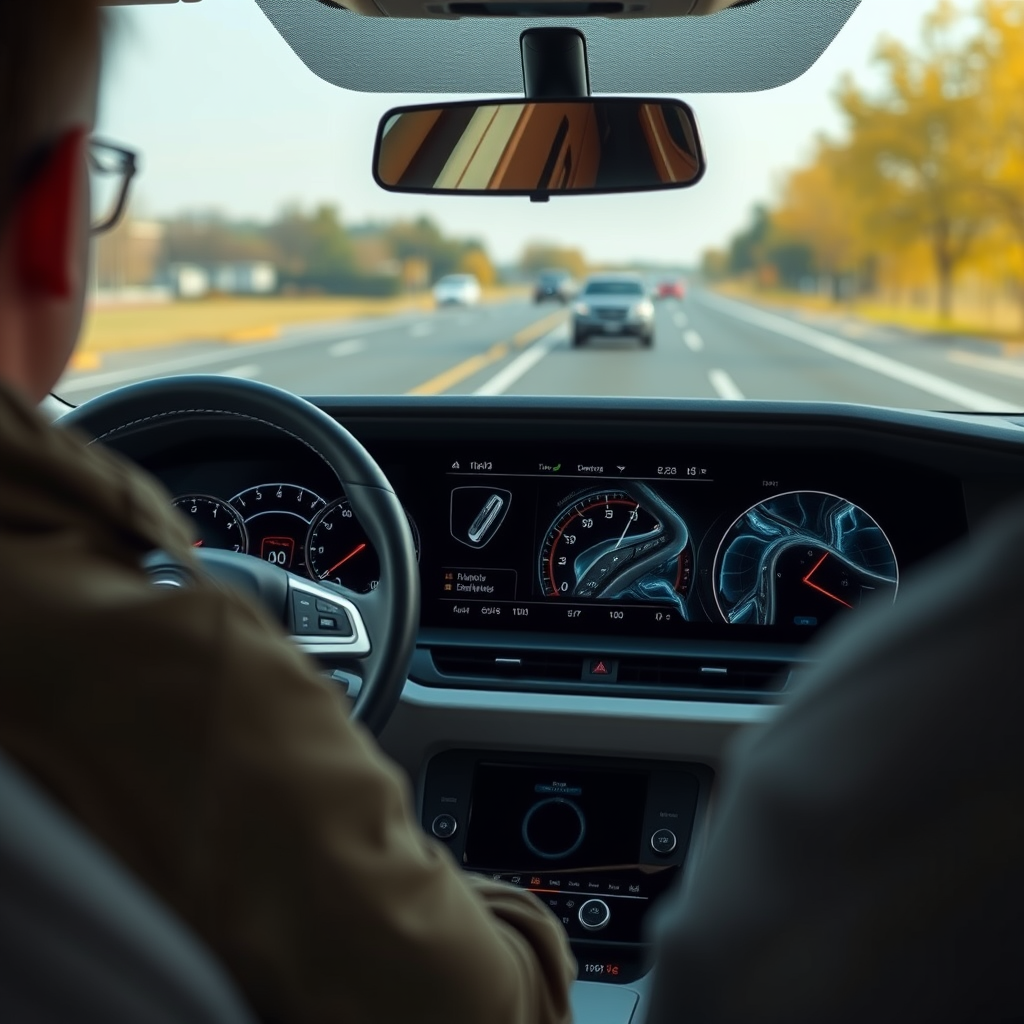
Transparent displays primarily utilize advanced technologies such as OLED (Organic Light Emitting Diodes) and LCD (Liquid Crystal Display) to achieve their unique appearance. OLED technology is particularly suited for transparent displays due to its ability to emit light independently, allowing for vibrant colors and high contrast ratios while maintaining transparency. This means that when the display is inactive, it can effectively disappear, blending seamlessly with its surroundings.
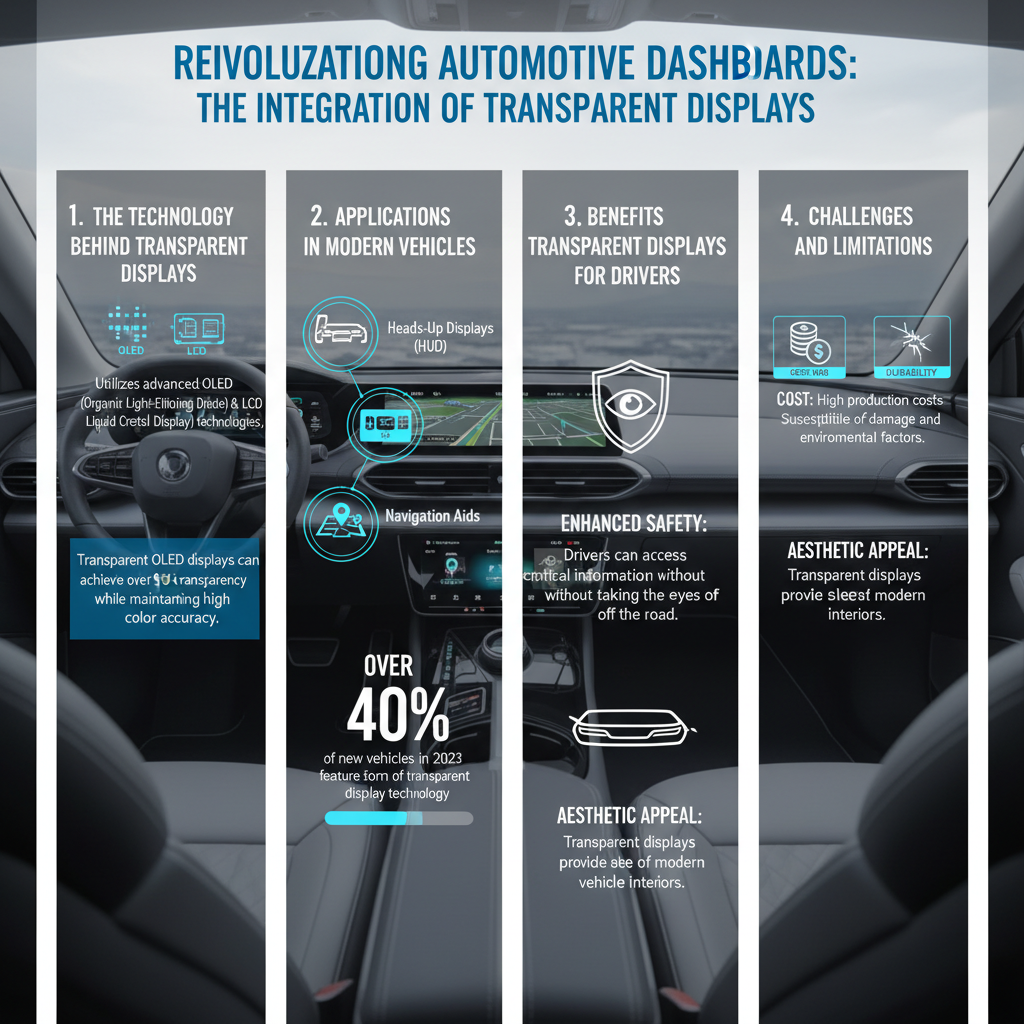
LCD technology, while more traditional, can also be adapted for transparency, although it typically requires a backlight, which can complicate the design. These displays achieve transparency by using a combination of specialized materials and sophisticated layering techniques. The result is a high-resolution screen that can present both visual information and the real-world environment behind it, creating a seamless interaction between the vehicle’s dashboard and the driver’s line of sight.
Applications in Modern Vehicles
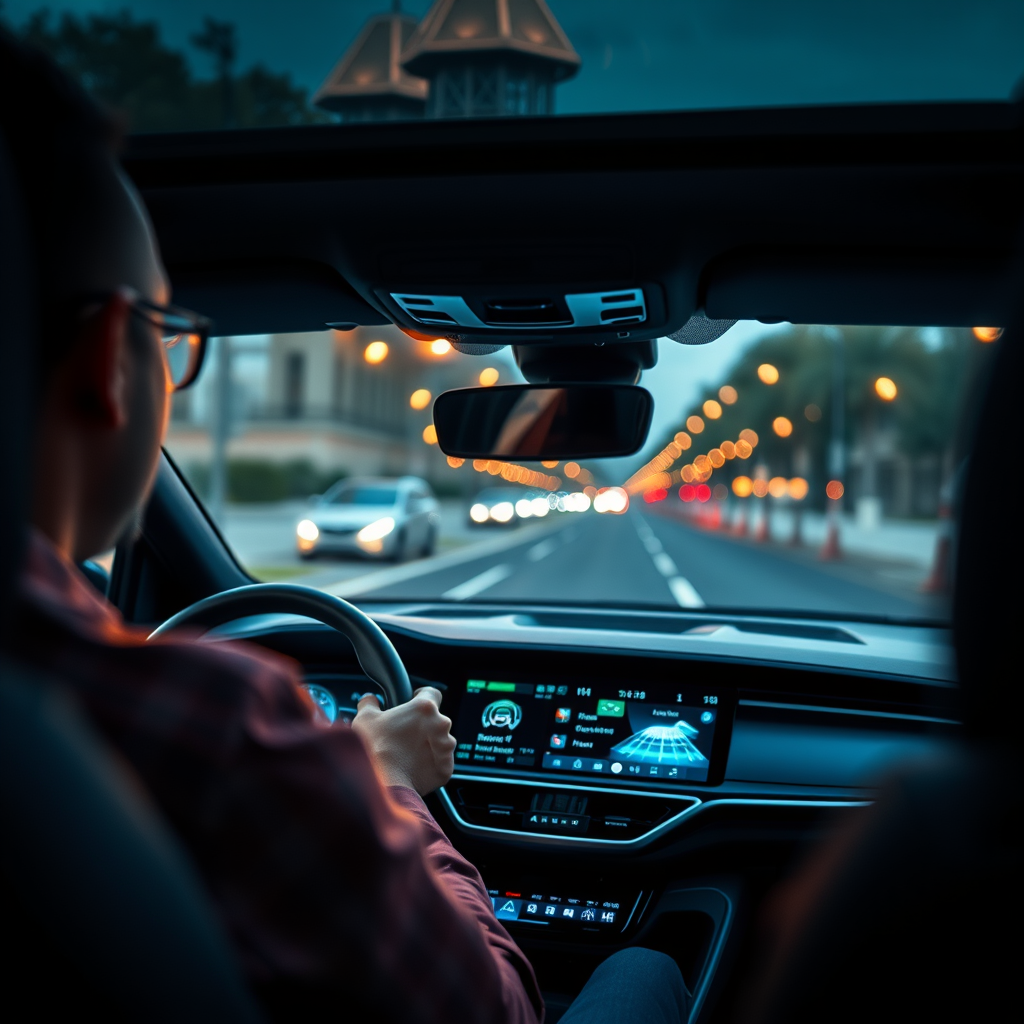
Transparent displays are making their mark in high-end vehicles, serving as a focal point for driver information. For instance, luxury brands like Mercedes-Benz have integrated transparent displays into their MBUX (Mercedes-Benz User Experience) infotainment system. This system features a glass cockpit with floating displays that provide information without obstructing the driver’s view of the road.
Moreover, augmented reality (AR) applications are becoming increasingly prevalent within these displays. With AR, navigation cues can be projected directly onto the windshield, guiding drivers with arrows and highlights that align with actual roadways. This technology not only enhances navigation but also provides safety features by highlighting potential hazards, such as pedestrians or obstacles, ensuring that drivers remain informed without taking their eyes off the road.
Benefits of Transparent Displays for Drivers
The integration of transparent displays into automotive dashboards brings numerous benefits, most notably increased safety. By presenting key information directly in the driver’s line of sight, these displays reduce the need for drivers to look down at traditional dashboards or infotainment systems. This means less time spent distracted and more focus on the road, which can significantly reduce the likelihood of accidents.
In addition to safety, transparent displays enhance the user experience by allowing for customizable information overlays. Drivers can choose what data they want to see—be it speed, navigation information, or vehicle diagnostics—tailoring their dashboard to suit their preferences. This personalization fosters a more engaged driving experience and encourages drivers to utilize the full range of features available in their vehicles.
Challenges and Limitations
Despite their advantages, transparent displays face several challenges in production and implementation. One of the main technical difficulties lies in creating displays that are not only functional but also cost-effective. The advanced materials and technologies required for transparent displays can drive up production costs, potentially making them less accessible for mainstream vehicles.
Additionally, visibility can become an issue under varying light conditions. For example, bright sunlight can make it difficult to read information displayed on a transparent screen, while nighttime driving may require adjustments to ensure the display’s brightness does not become a distraction. Manufacturers must continue to innovate and find solutions to these challenges to ensure that transparent displays are practical in all driving conditions.
Future Trends in Automotive Displays
The future of transparent display technology in the automotive industry looks promising. As advancements continue, we can expect to see even more sophisticated displays that enhance functionality and user experience. For instance, integration with other smart technologies, such as Artificial Intelligence (AI) and the Internet of Things (IoT), could enable vehicles to provide real-time updates and predictive analytics based on driving patterns and environmental conditions.
Moreover, the potential for increased interactivity is vast. Imagine a dashboard that can not only display essential information but also engage with the driver through voice commands and gestures, creating a truly immersive driving experience. As these technologies develop, the role of transparent displays in vehicles will likely expand, paving the way for smarter, safer, and more enjoyable journeys.
Case Studies of Leading Automakers
Several leading automakers are already pioneering the use of transparent displays, setting benchmarks for the industry. Tesla, for instance, has embraced this technology within its Model S and Model X, utilizing large touchscreen displays that provide a wealth of information while maintaining a sleek interface. The feedback from users has been overwhelmingly positive, with many praising the intuitive layout and ease of access to data.
Mercedes-Benz, as mentioned earlier, is also at the forefront, showcasing the MBUX system that incorporates transparent displays for an enhanced user experience. Consumer feedback indicates that the integration of AR features has made navigation more intuitive, further illustrating the potential of transparent displays to improve safety and convenience.
As these technologies gain traction, market trends suggest a growing demand for vehicles equipped with advanced dashboard displays. Consumers are becoming more tech-savvy and are increasingly looking for vehicles that offer innovative features that enhance their driving experiences.
In summary, transparent displays are set to revolutionize automotive dashboards by making critical information more accessible and engaging for drivers. As we look ahead, the benefits of enhanced safety, personalized experiences, and innovative applications make transparent displays a vital aspect of future vehicles. We invite you to share your thoughts or experiences with transparent display features in vehicles—how do you think they will shape the future of driving?
Frequently Asked Questions
What are transparent displays and how are they used in automotive dashboards?
Transparent displays are innovative screen technologies that allow for visual information to be projected while maintaining visibility of the surroundings. In automotive dashboards, these displays enable drivers to access critical data like speed, navigation, and vehicle diagnostics without taking their eyes off the road. This integration enhances safety and promotes a more intuitive driving experience by providing essential information in a non-obtrusive manner.
How do transparent displays improve driver safety in vehicles?
Transparent displays improve driver safety by providing real-time information directly in the driver’s line of sight, reducing the need for eye movement away from the road. This technology allows for heads-up displays (HUDs) that can show navigation directions, speed limits, and alerts without distracting the driver. By keeping essential information visible while driving, transparent displays help to minimize accidents caused by distracted driving.
Why are automotive manufacturers investing in transparent display technology?
Automotive manufacturers are investing in transparent display technology to enhance user experience and differentiate their vehicles in a competitive market. As consumer demand for advanced technology and smart features increases, transparent displays offer a futuristic appeal that aligns with trends in connectivity and digital interfaces. Additionally, they can improve functionality and safety, making vehicles more attractive to tech-savvy buyers.
What are the best applications of transparent displays in automotive dashboards?
The best applications of transparent displays in automotive dashboards include heads-up displays (HUDs) for navigation, augmented reality (AR) overlays for enhanced situational awareness, and customizable instrument clusters that adapt to driver preferences. These applications not only enhance the aesthetic appeal of the dashboard but also provide critical information in an easily digestible format, making driving safer and more enjoyable.
Which vehicles currently feature transparent display technology in their dashboards?
Several high-end and luxury vehicles currently feature transparent display technology in their dashboards, including models from brands like Mercedes-Benz, BMW, and Audi. These vehicles often incorporate advanced HUDs that project vital information onto the windshield, enhancing the driving experience. As technology continues to evolve, more mainstream manufacturers are expected to adopt this innovative feature, making it more accessible to a wider range of consumers.
References
- See-through display
- https://www.sciencedirect.com/science/article/pii/S0360132317312035
- https://www.wired.com/story/transparent-displays-future-cars/
- https://www.reuters.com/article/us-autos-displays-idUSKBN2A80O4
- https://www.techcrunch.com/2021/01/11/transparent-displays-in-cars/
- https://www.forbes.com/sites/bernardmarr/2021/07/15/how-transparent-displays-will-transform-the-automotive-industry/
- https://www.bbc.com/future/article/20210304-the-futuristic-tech-of-transparent-displays
- https://www.nature.com/articles/s41598-020-68375-8