
Repairing audio equipment instead of replacing it can save you money and extend the life of your gear. With the right knowledge and tools, many audio issues can be effectively addressed, allowing you to maintain and enjoy your devices longer. In this article, you’ll learn practical steps to diagnose issues, explore common repairs, and find resources to help you effectively fix your audio devices.
Understanding Common Audio Equipment Issues
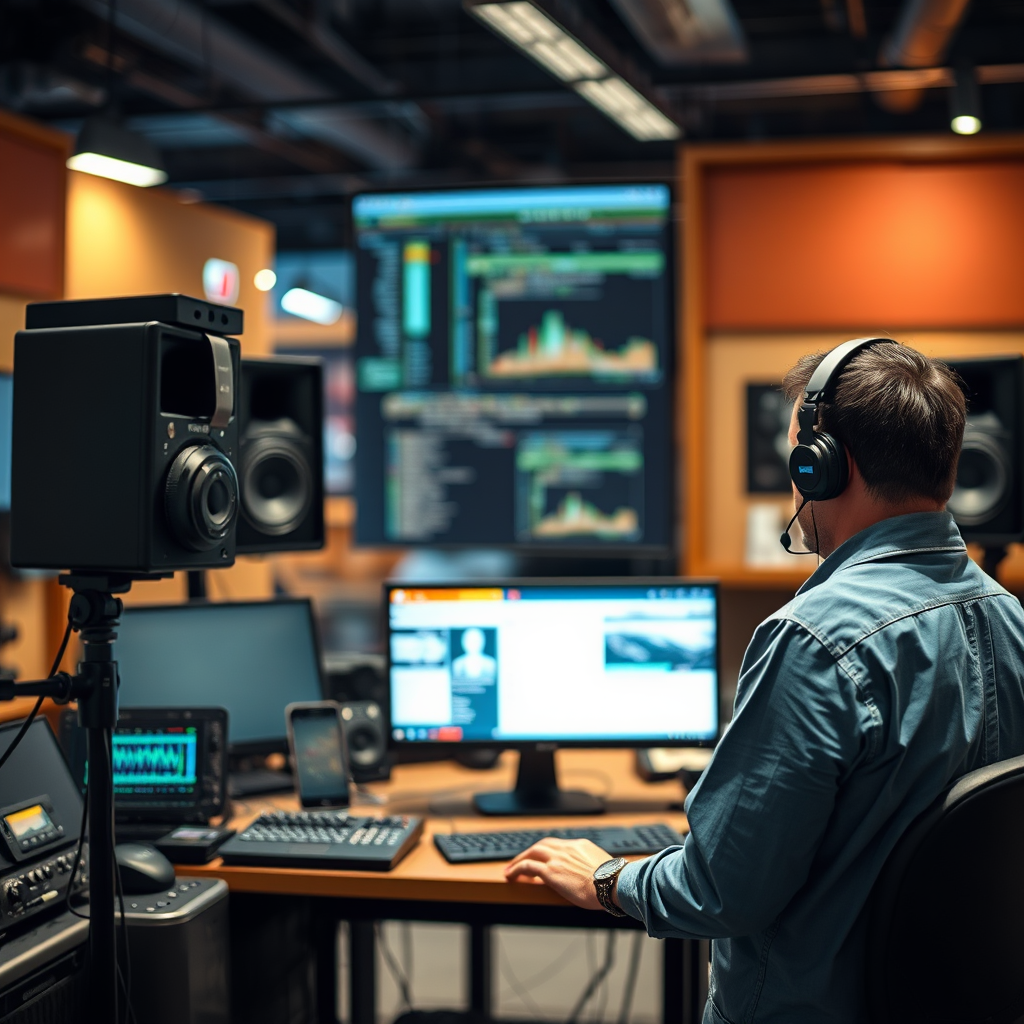
Audio equipment can experience a range of issues that affect performance and sound quality. Some common problems include poor sound quality, such as distortion or intermittent cutting out, connectivity issues where devices fail to communicate, and physical damage like broken cables or damaged connectors. Understanding these issues is crucial for effective repairs.
When troubleshooting, start by conducting a basic check of physical connections and power sources. Ensure all cables are properly connected and not frayed or damaged. If you’re experiencing sound quality issues, test the device with different audio sources to determine if the problem lies within the equipment or the source itself. For wireless devices, verify that they are adequately charged, properly paired, and within range.
Gathering this information can help you decide whether a repair is necessary or if the problem is simpler than it initially appears.
Tools and Materials You’ll Need
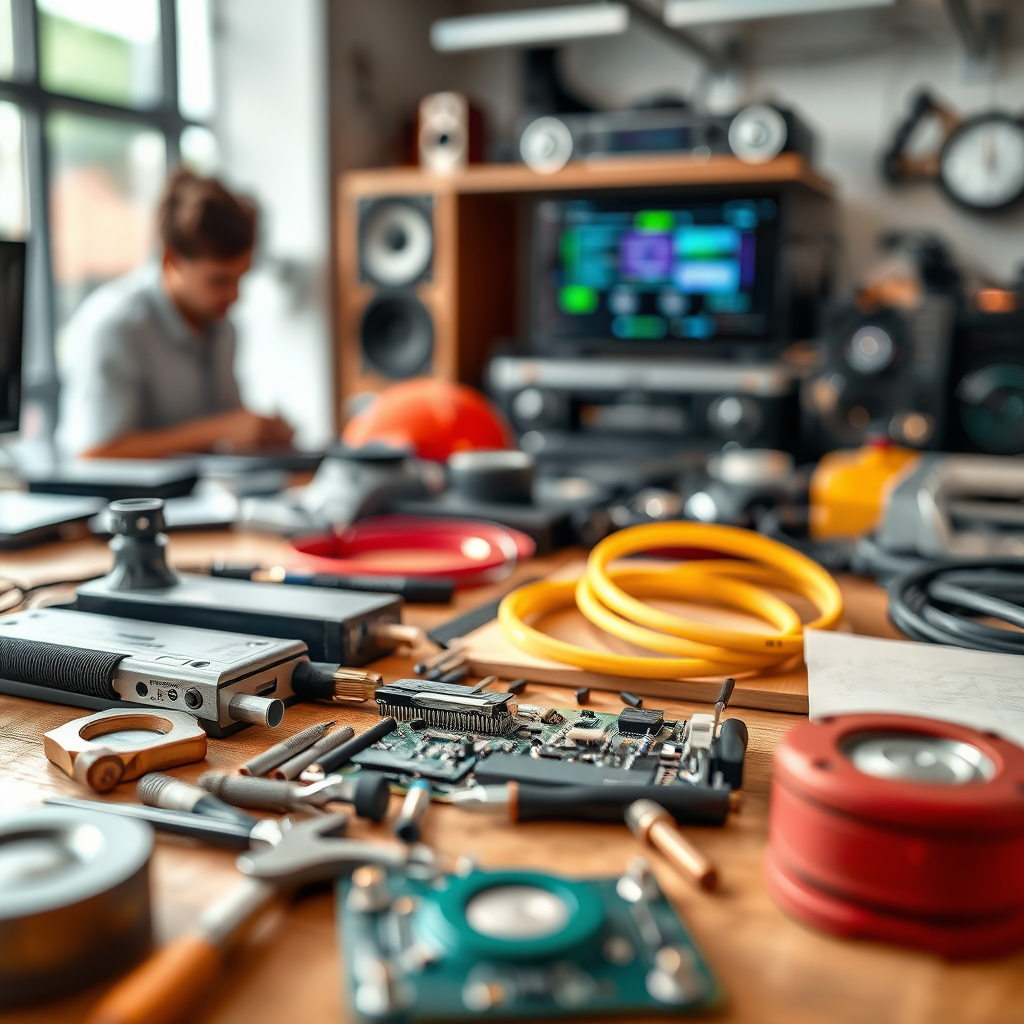
To effectively repair audio equipment, having the right tools is essential. Here’s a list of common tools and materials you might need:
– Screwdrivers: A variety of Phillips and flathead screwdrivers will help you open and close different audio devices.
– Soldering Iron: Useful for repairing damaged cables or connectors by reattaching wires.
– Multimeter: A vital tool for testing electrical components and troubleshooting connectivity issues.
– Cleaning Supplies: Compressed air, isopropyl alcohol, and cotton swabs can help clean components and connections.
– Heat Shrink Tubing: Ideal for insulating repaired wires to prevent short-circuits.
Additionally, consider investing in specialized repair kits designed for specific types of audio equipment, such as headphone repair kits that include replacement parts and tools tailored to earphones or studio monitors.
Step-by-Step Repair Techniques
Many audio equipment repairs can be done with basic skills and tools. Here are some common repairs you can perform:
1. Replacing Cables: If you have a frayed or broken cable, cut the damaged section and strip the ends of the wires. Use a soldering iron to attach new connectors or solder the wires back together, ensuring a solid connection.
2. Fixing Connectors: For loose or damaged connectors, disassemble the device and check for broken solder joints or loose wires. Re-solder any connections that appear faulty and ensure connectors fit tightly.
3. Cleaning Components: Dust and debris can accumulate within audio devices, affecting sound quality. Use compressed air to blow out dust from speaker grills and ports. For more thorough cleaning, gently wipe surfaces with a cloth moistened with isopropyl alcohol.
Safety is paramount while performing repairs. Always unplug devices before opening them, and use appropriate personal protective equipment, such as safety glasses, when soldering.
Common Audio Equipment Repairs and Difficulty Levels
| # | Repair Type | Difficulty Level | Estimated Time (hrs) | Cost ($) |
|---|---|---|---|---|
| 1 | Cable Replacement | Low | 1 | 15 |
| 2 | Connector Repair | Medium | 2 | 25 |
| 3 | Speaker Cleaning | Low | 0.5 | 5 |
| 4 | Headphone Driver Replacement | High | 3 | 40 |
| 5 | Microphone Capsule Replacement | Medium | 2 | 30 |
| 6 | Circuit Board Repair | Very High | 5 | 100 |
Finding Resources and Support
In your audio repair journey, numerous resources can help enhance your skills and provide support. Online forums, such as Gearslutz and Reddit’s r/audiorepair, are great places to ask questions, share experiences, and seek advice from other audio enthusiasts.
YouTube is an invaluable resource for visual learners; channels like “The DIY Audio Guy” and “Fix It” offer comprehensive tutorials that can guide you through common repairs step-by-step.
Additionally, consider local repair shops or community workshops that may offer hands-on classes or assistance. Many communities have makerspaces or repair cafes where you can learn from experienced technicians or collaborate with others on repairs.
When to Seek Professional Help
While many audio repairs can be handled independently, there are situations where professional help is advisable. Signs that indicate a need for professional assistance include:
– Complex Circuitry Issues: If you encounter problems with circuit boards or internal electronics, it may be best to consult a professional. These repairs often require specialized equipment and expertise.
– Valuable Equipment: If you are dealing with high-end audio gear, consider professional repairs to preserve the integrity and functionality of your investment.
– Time Constraints: If you lack the time or confidence to repair the equipment, it may be more cost-effective to seek professional help rather than risking further damage.
When weighing the cost of professional repairs against the price of replacement, consider not only the financial aspect but also the sentimental value and potential longevity of high-quality audio gear.
Preventative Maintenance Tips
To keep your audio equipment in optimal condition, implementing regular maintenance practices is crucial. Here are some tips:
– Regular Cleaning: Dust and debris can affect performance. Clean components regularly with appropriate cleaning supplies to ensure longevity.
– Proper Storage: Store your equipment in a cool, dry place, away from direct sunlight and humidity, which can cause damage over time.
– Cable Management: Use cable ties or organizers to prevent tangles and wear on cables, which can lead to connectivity issues.
– Environmental Considerations: Be mindful of where you place your audio devices. Avoid areas with excessive heat, moisture, or dust accumulation.
By adopting these maintenance practices, you can significantly prolong the lifespan of your audio equipment and maintain its performance.
Common Audio Equipment Issues and Repair Success Rates
By applying these strategies, you can confidently repair your audio equipment and avoid the expense of replacement. Taking the time to understand the issues and learn repair techniques not only saves money but also enhances your appreciation for the technology you use. Start exploring your audio gear today and discover how easy it can be to fix rather than toss out!
Frequently Asked Questions
What are the most common audio equipment issues that can be repaired instead of replaced?
Common audio equipment issues include faulty connections, blown speakers, and damaged cables. Many of these problems can often be fixed with simple repairs, such as resoldering loose connections or replacing fuses, which can save you money and extend the life of your equipment.
How can I diagnose problems with my audio equipment before attempting repairs?
To diagnose audio equipment problems, start by checking the power source, connections, and settings. Use a multimeter to test for continuity in cables and components, and listen for unusual sounds during operation, as these can indicate specific issues that may be repairable instead of requiring a full replacement.
Why is it often better to repair audio equipment rather than buy new?
Repairing audio equipment is often more cost-effective than purchasing new gear, especially for high-quality or vintage items. Additionally, repairs can minimize electronic waste and support sustainable practices, allowing you to enjoy your favorite audio gear without contributing to environmental issues.
What tools do I need for basic audio equipment repairs?
Essential tools for basic audio equipment repairs include a soldering iron, multimeter, screwdrivers, and a set of replacement parts like capacitors and connectors. Having these tools on hand will enable you to tackle common issues and make effective repairs without the need for professional help.
Which audio equipment brands are known for being easier to repair?
Brands like Yamaha, Pioneer, and Marantz are often regarded as more repair-friendly due to their availability of replacement parts and user-friendly designs. Choosing equipment from these manufacturers can make DIY repairs more feasible and reduce long-term maintenance costs.
References
- Audio equipment
https://en.wikipedia.org/wiki/Audio_equipment - https://www.sciencedirect.com/topics/engineering/audio-equipment
https://www.sciencedirect.com/topics/engineering/audio-equipment - https://pubmed.ncbi.nlm.nih.gov/
https://pubmed.ncbi.nlm.nih.gov/ - Google Scholar Google Scholar
https://scholar.google.com/scholar?q=repair+audio+equipment - Google Scholar Google Scholar
https://scholar.google.com/scholar?q=audio+equipment+repair+techniques - https://www.bbc.com/future/article/20210927-how-repairing-your-tech-can-save-the-planet
https://www.bbc.com/future/article/20210927-how-repairing-your-tech-can-save-the-planet - https://www.nature.com/articles/s41599-020-00677-6
https://www.nature.com/articles/s41599-020-00677-6 - https://www.theguardian.com/environment/2021/mar/29/repair-revolution-how-fixers-are-saving-the-world-from-waste
https://www.theguardian.com/environment/2021/mar/29/repair-revolution-how-fixers-are-saving-the-world-from-waste - https://www.cdc.gov/niosh/topics/repair.html
https://www.cdc.gov/niosh/topics/repair.html - https://www.nytimes.com/2020/09/23/technology/repair-right-to-repair.html
https://www.nytimes.com/2020/09/23/technology/repair-right-to-repair.html