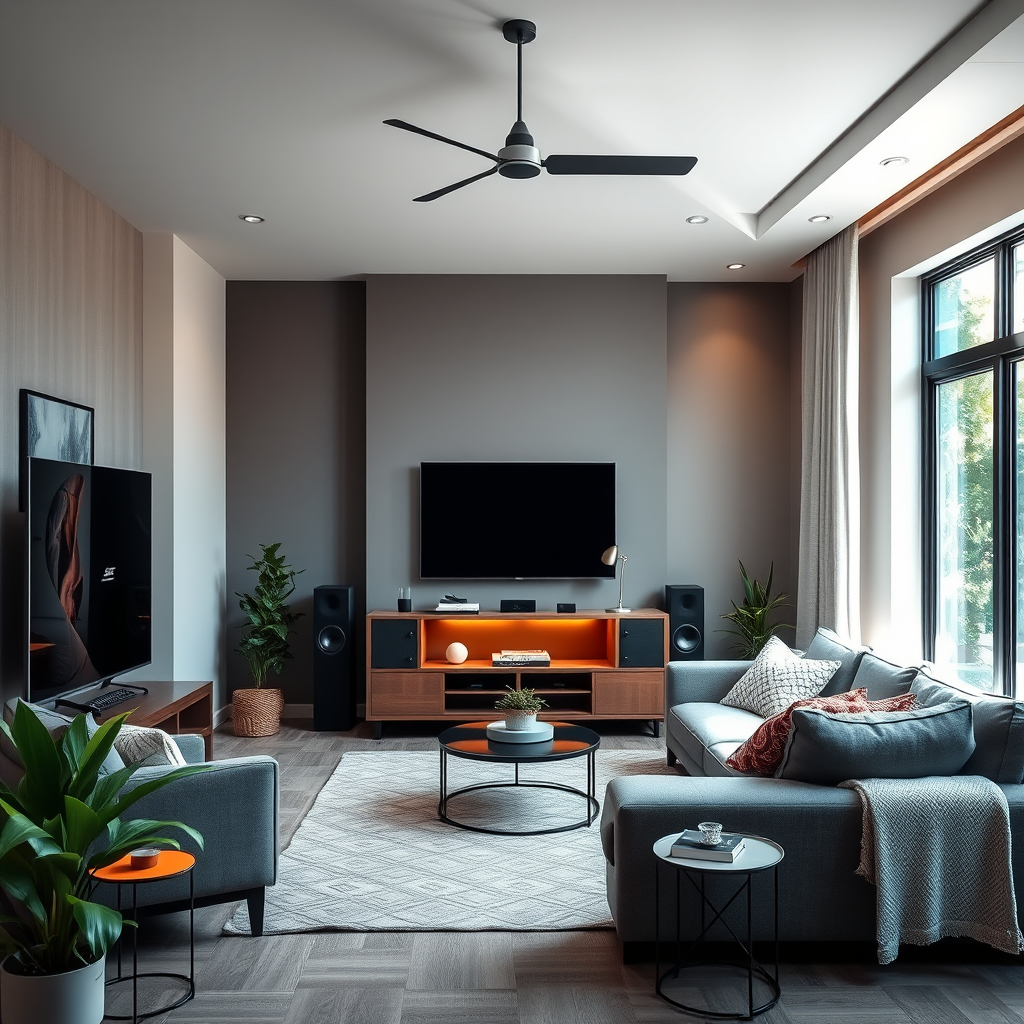
Experiencing low volume from your Bose home theater system can be frustrating, but it’s often an issue that can be easily resolved. The first step is to ensure that all connections are secure, and the sound settings are properly configured. In this article, we’ll explore common reasons for low sound output and provide effective solutions to enhance your audio experience.




Common Causes of Low Volume
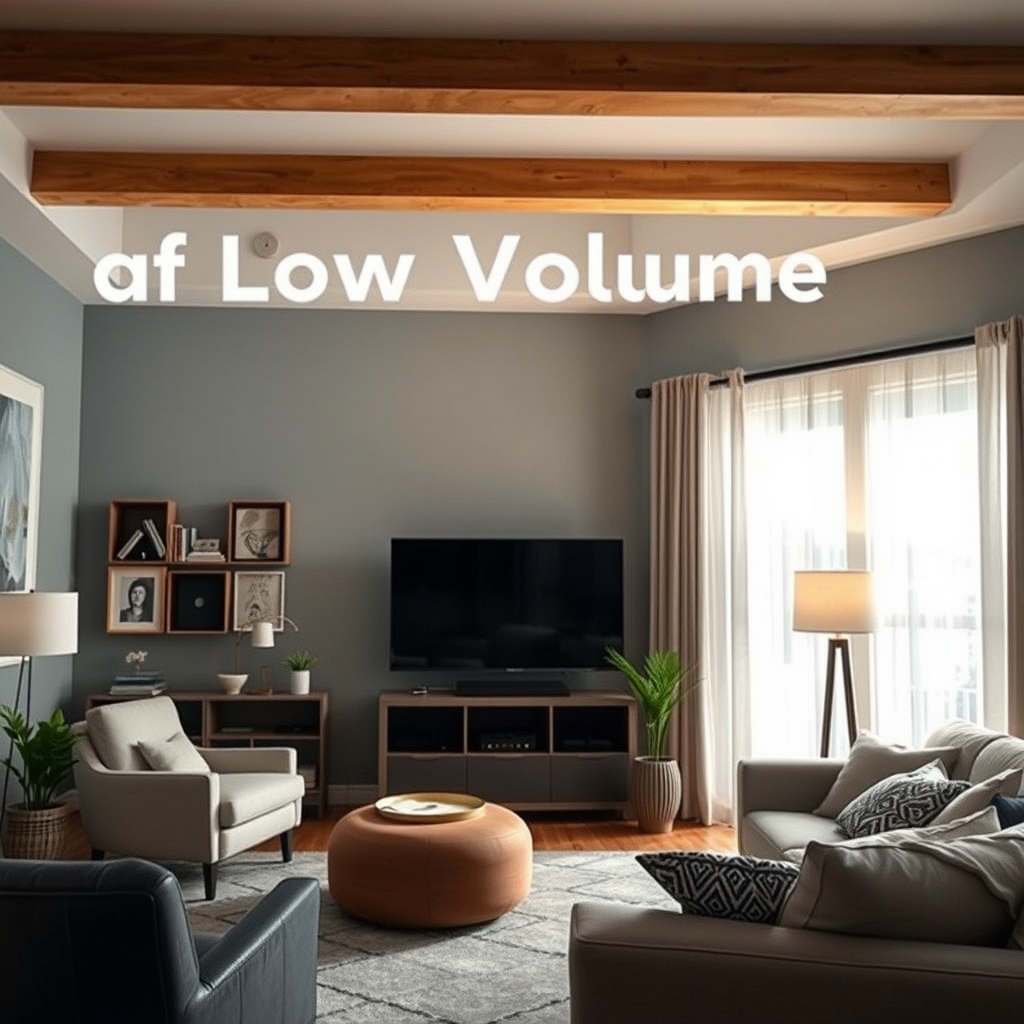
One of the most frequent culprits of low volume in home theater systems is poor speaker placement. The positioning of your speakers can significantly affect sound distribution. Ideally, surround sound speakers should be placed at ear level and angled towards the listening area to maximize audio clarity. If your speakers are too far from walls or in corners, the sound may not project effectively.
Additionally, it’s important to check your sound settings. Ensure that the volume is turned up on both your Bose system and the input device. Sometimes, specific audio modes may inadvertently be set to limit the overall sound output. For instance, if “night mode” is enabled, it often compresses dynamic range, which can lead to lower perceived volume.
Audio Source Issues
Low volume may stem from the audio source itself. Streaming services, DVDs, or other media types can have varying audio levels. Testing different sources can help isolate whether the issue lies with the Bose system or the content being played. For example, movies may have lower volume levels compared to music tracks, so it’s beneficial to compare various types of audio.
Moreover, ensure that the audio output settings on your device are configured to be compatible with your Bose system. If you’re using an external device, like a Blu-ray player or streaming box, double-check the audio settings. It’s critical to ensure they are set to output in formats that your Bose system can process effectively, such as Dolby Digital or PCM.
Cable and Connection Problems
Inspecting all cables and connections is essential when troubleshooting low volume issues. Loose or damaged cables can lead to significant sound quality degradation. Make sure all HDMI, optical, or audio cables are securely connected and free of damage. If you suspect a cable issue, try replacing the cable with a high-quality alternative specifically designed for audio transmission to mitigate interference and improve sound quality.
Additionally, ensure that the correct input is selected on your Bose system. Sometimes, users inadvertently select the wrong input source, which can lead to confusion regarding sound output.
Common Causes of Low Volume in Bose Systems
| # | Cause | Impact Level | Action Required |
|---|---|---|---|
| 1 | Poor Speaker Placement | High | Reposition Speakers |
| 2 | Incorrect Sound Settings | Medium | Adjust Settings |
| 3 | Audio Source Issues | High | Test Different Sources |
| 4 | Cable Connections | High | Inspect and Replace |
| 5 | Firmware Updates | Medium | Update Firmware |
| 6 | Environmental Factors | Medium | Optimize Room Setup |
| 7 | Background Noise | Low | Minimize Distractions |
Sound Settings and Configuration
Diving into the audio settings of your Bose system is crucial in resolving volume-related issues. Look for options like “night mode” or “dialogue enhancement,” which may inadvertently limit the volume output. These features are designed to enhance specific audio aspects but can contribute to an overall muted experience if not managed properly.
If you suspect that there may be a configuration issue, consider resetting your sound settings to factory defaults. This action can often resolve unforeseen problems caused by settings that were accidentally altered. After resetting, gradually adjust the settings to find the balance that best suits your audio preferences.
Firmware and Software Updates
Keeping your Bose home theater system updated is vital for optimal performance. Outdated firmware can lead to various issues, including low volume. Regularly check for updates through the Bose support website, where you can find instructions on how to update your system effectively. Updates often come with fixes that improve sound quality and overall functionality.
Environmental Factors
The acoustics of your room can significantly impact audio quality. Hard surfaces like tile or hardwood floors may reflect sound, while soft furnishings can absorb it. To optimize your listening experience, consider rearranging furniture or adding soft materials such as rugs and curtains to reduce sound absorption and improve audio clarity.
Furthermore, background noise can also mask audio output. If possible, minimize distractions in your listening environment. This may involve turning off nearby electronics or adjusting the volume of other devices that may interfere with your Bose system.
Volume Level Comparison in Different Settings
Seeking Professional Help
If you have tried all the above solutions and still face issues with low volume, it may be time to seek professional help. Contacting Bose customer support can provide additional troubleshooting steps that are specific to your model. They can assist in diagnosing issues that may not be evident through standard checks.
Alternatively, a professional audio technician can evaluate your system and diagnose more complex problems that could be affecting sound output. This could include internal hardware issues that require expert knowledge to resolve.
Improving the sound quality of your Bose home theater system can often be achieved through simple adjustments and checks. By exploring the common issues outlined above, you can enhance your listening experience and enjoy your favorite movies and music at the volume they deserve. If problems persist, don’t hesitate to reach out for professional help.
Frequently Asked Questions
Why is my Bose home theater system producing low volume despite being set to maximum?
If your Bose home theater system is producing low volume even at maximum settings, it could be due to incorrect speaker connections or settings. Ensure that all speakers are properly connected and that the audio source is not muted or set to low output. Additionally, check the audio settings on both the home theater system and the connected device, as they may need adjustment for optimal performance.
How can I troubleshoot low volume issues on my Bose home theater system?
To troubleshoot low volume issues, start by checking the speaker connections and ensuring that the correct input source is selected. Next, adjust the volume levels on both the Bose system and the connected device. If the problem persists, consider running the audio calibration feature, if available, which can optimize sound levels based on your room’s acoustics.
What settings should I check if my Bose home theater is not loud enough?
Check the speaker configuration settings in your Bose home theater system’s menu to ensure they are set correctly for your setup, whether in stereo or surround mode. Additionally, verify that the bass and treble levels are balanced and not set too low, as this can impact overall sound volume. Lastly, ensure that any sound enhancement features, like loudness or dynamic range compression, are configured to your preference.
Which audio connections can affect the volume on my Bose home theater system?
The type of audio connections can significantly impact the volume on your Bose home theater system. For instance, using optical or HDMI connections typically provides better audio performance than analog connections. Ensure that you are using high-quality cables and that they are securely connected, as loose connections can lead to poor sound quality and low volume.
Why does my Bose home theater system have low volume with certain media types?
Low volume with specific media types may occur due to the audio format used in the content. For example, some streaming services and DVDs may have lower audio levels, or the sound may be mixed in a way that requires adjustment. Check the audio settings on both the Bose system and the media player, and consider switching to a different audio track or format for a better listening experience.
References
- https://www.bbc.com/news/technology-41111975
https://www.bbc.com/news/technology-41111975 - https://www.lifewire.com/fix-bose-home-theater-low-volume-4125620
https://www.lifewire.com/fix-bose-home-theater-low-volume-4125620 - Google Scholar Google Scholar
https://scholar.google.com/scholar?q=Bose+home+theater+low+volume - Google Scholar Google Scholar
https://scholar.google.com/scholar?q=home+theater+volume+issues - Google Scholar Google Scholar
https://scholar.google.com/scholar?q=Bose+audio+troubleshooting - https://www.wikihow.com/Fix-a-Bose-Speaker-That-Won%27t-Play-Loud
https://www.wikihow.com/Fix-a-Bose-Speaker-That-Won%27t-Play-Loud - Customer Support
https://www.bose.com/en_us/support/article/volume-issues-with-bose-home-theater-systems.html - Google Scholar Google Scholar
https://scholar.google.com/scholar?q=Why+Is+My+Bose+Home+Theater+Producing+Low+Volume? - Why Is My Bose Home Theater Producing Low Volume? – Search results
https://en.wikipedia.org/wiki/Special:Search?search=Why+Is+My+Bose+Home+Theater+Producing+Low+Volume? - https://www.ncbi.nlm.nih.gov/search/research-articles/?term=Why+Is+My+Bose+Home+Theater+Producing+Low+Volume?
https://www.ncbi.nlm.nih.gov/search/research-articles/?term=Why+Is+My+Bose+Home+Theater+Producing+Low+Volume?


11 thoughts on “Why Is My Bose Home Theater Producing Low Volume?”